Artist Profile: Ndeh Ntumazah
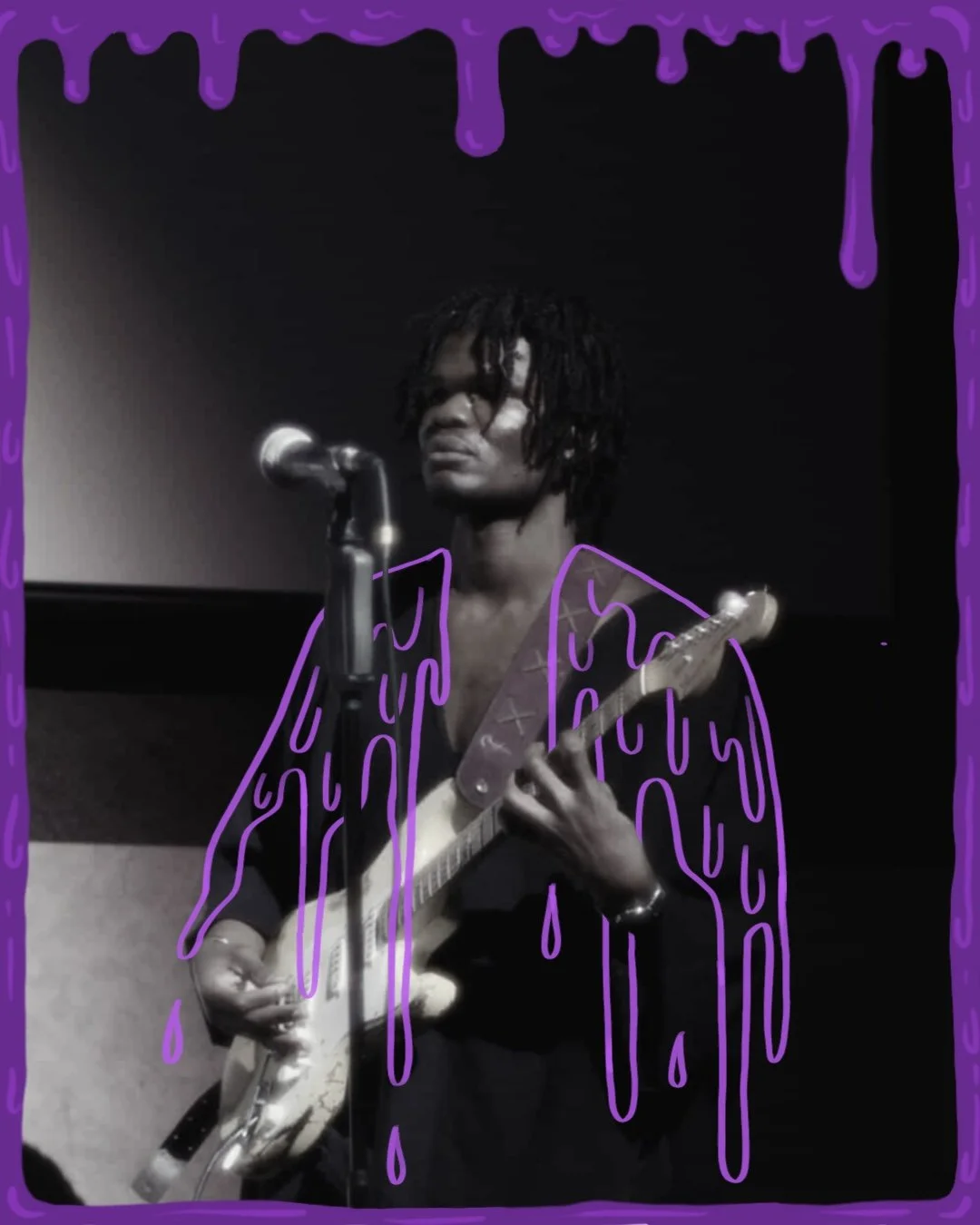
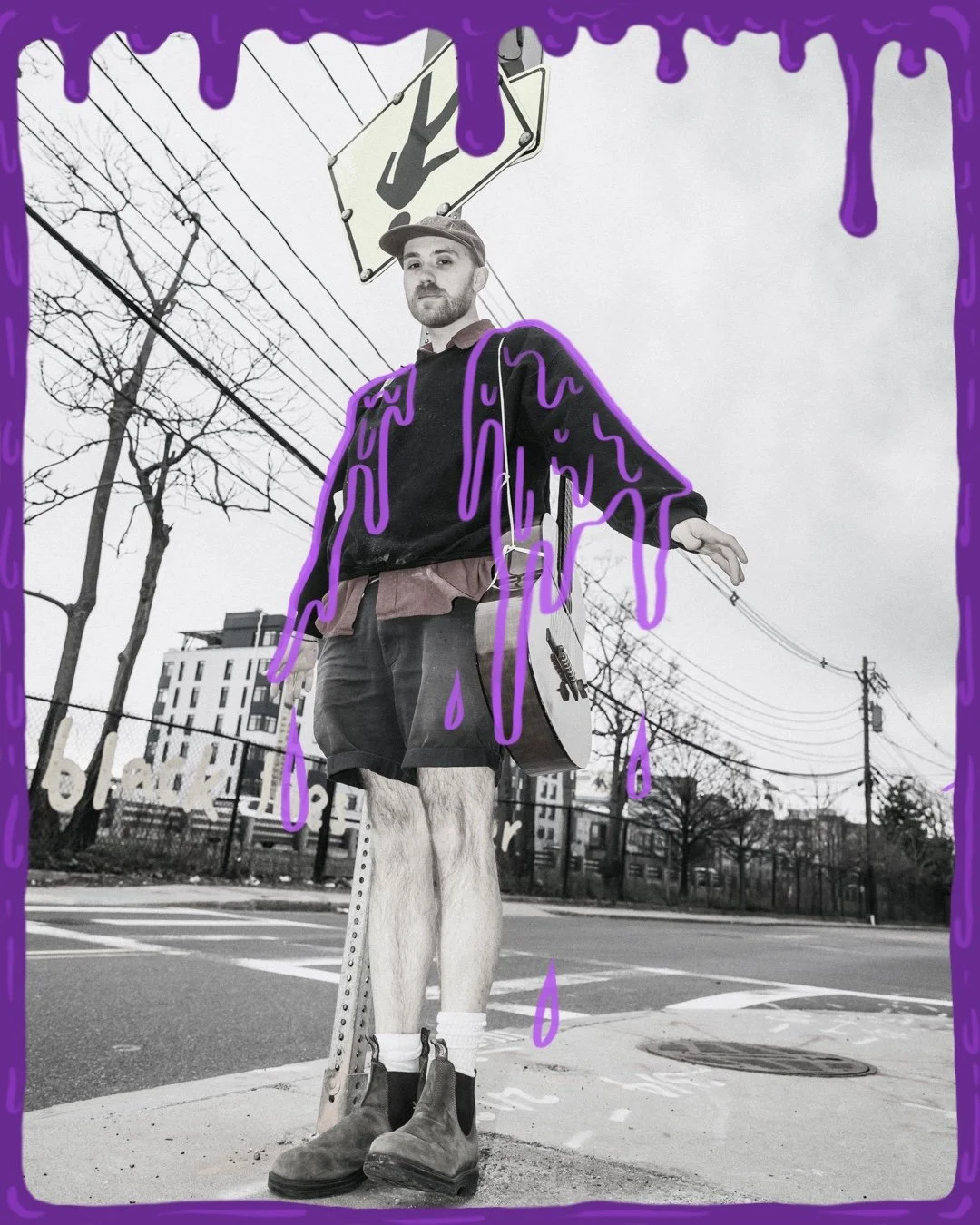
Photo Credit: Mia Tsuchida
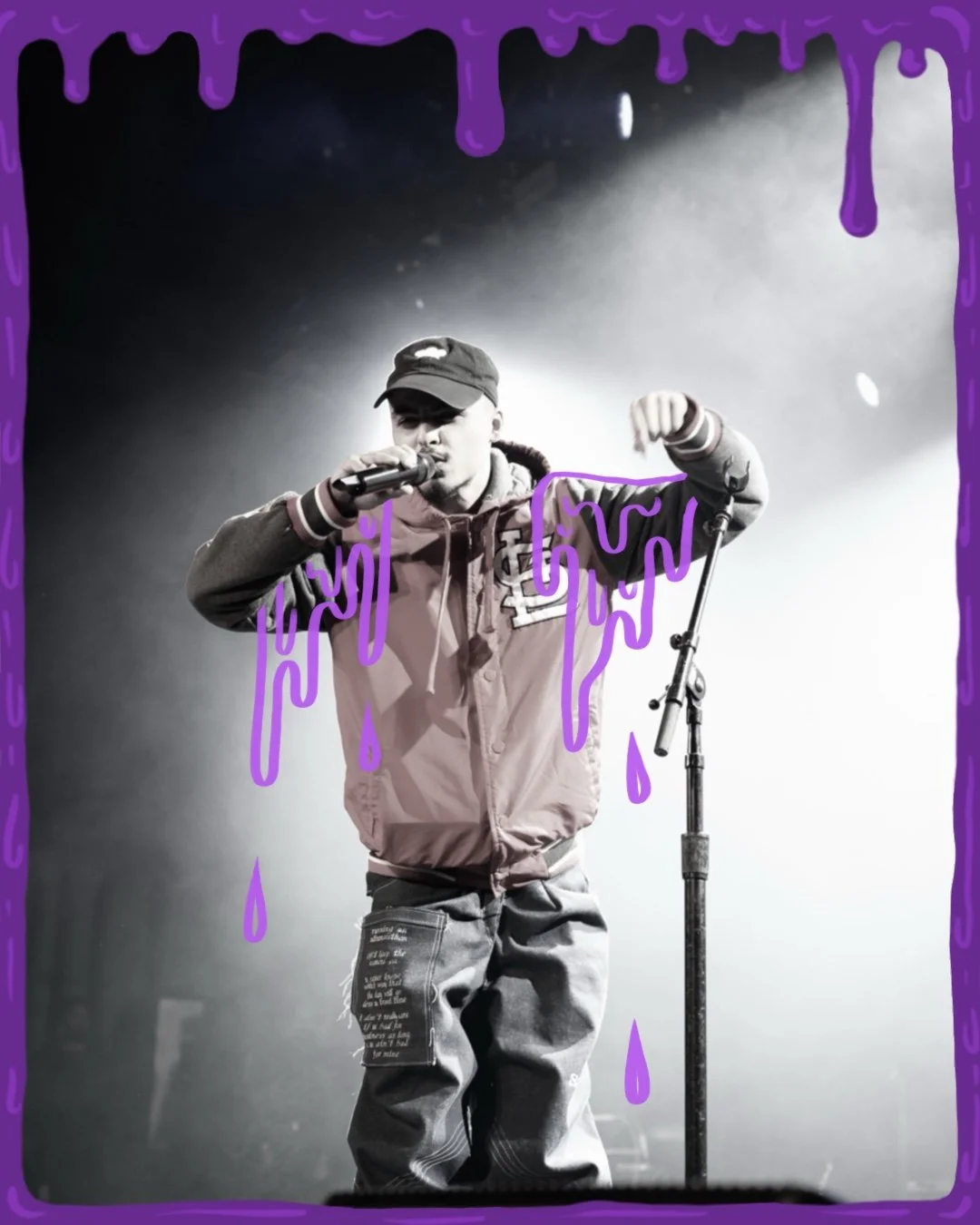
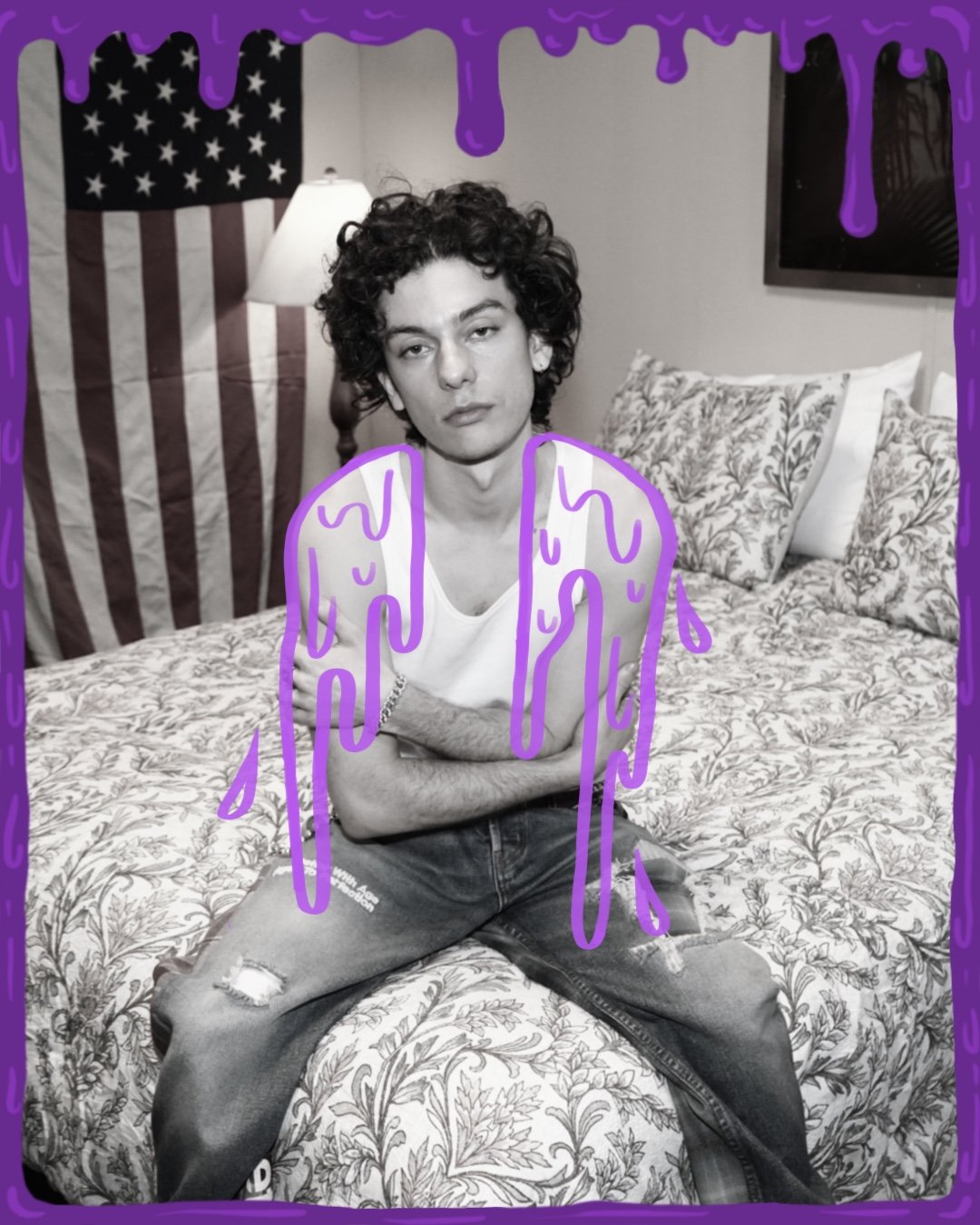
Ndeh Ntumazah, the Maryland-born, New York-based experimental rock artist, has recently brought his sound full circle after years of experimentations, finding a home in an electronic-influenced, fuzzed-out, and guitar-driven sound that encapsulates, in many ways, the whole of his influences– from the African psych rock his father played throughout his childhood to the dubstep and EDM soundscapes that shaped his adolescence. His debut album, HATRED, was just the start of this process, however. As Ntumazah rounds off the creative tear he’s been on since early 2025, he feels ready to release his large inventory of sounds into the world, continuing to expand upon the unique niche he’s found within his own creative atmosphere.
For many children, an interest in music begins as a way to rebel against their parents’ interests, finding their own taste and direction in converse relation to what their parents enjoyed. For Ntumazah, it was quite the opposite. He spent much of his childhood immersed in his father’s, who was a guitarist and bassist playing African-influenced funk, creative world. As a result, Ntumazah did not take a serious interest in music as a child– he saw any prospect of pursuing the art form as oddly derivative.
But as a young teenager, his interest in skateboarding exposed him to psychedelic rock and dubstep tracks through the various skate clips he would find online. These sounds were, in a strange way, different from anything he had ever heard before. He was immediately intrigued.
“You'd see these skate clips and they'd have this gnarly music… I still wasn't necessarily really getting into music quite yet. But then I heard Dubstep for the first time, believe it or not. And then that made me kind of be like, ‘What is this sound I'm hearing? How are people doing it?’ … Up until that point, I only heard African music, or my sisters or my mom would play Lauren Hill. So hearing Dubstep was like, ‘What is this?’”
From almost the first moment he heard these sounds, Ntumazah was at home attempting to replicate them on a cracked version of FL Studio. He would watch endless YouTube videos on how to replicate patches and synth sounds from his favorite tracks, and in the process, he rapidly gained a catalogue of knowledge on how to create his own sounds.
He spent his teenage years making electronic music and, later, producing hip-hop instrumentals– lanes that felt one and the same for him in the earliest eras of online music. Upon moving to New York, however, he quickly realized just how much he had missed by not pursuing an instrument.
Attending various live shows around the city, he saw the extent of what other artists, even working in the same space as him, were able to accomplish with their instruments. That realization, combined with a recognition of the magnitude of the city he was attempting to live in, forced him back into himself creatively. He returned home to Maryland, where a friend lent him a Squier electric guitar, and he quickly became obsessed with mastering the instrument. In the process, he got deeper into psych rock and heavy metal, which led him into the electric soundscapes of Jimi Hendrix and ultimately into his own, ‘70s-inspired sound.
The sounds of that decade, and recording to tape, were just a temporary artistic home for Ntumazah, however. As he began to dig deeper and deeper into who he wanted to be musically, he discovered that his old desires for the driving sounds of electronic music were still present. As time went on, he became determined to find a way to bridge the two sounds and the two types of music that he had grown to love in the different eras of his life.
The result was something that resides between the rhythms and timbres of R&B and the deep, brash sounds that electronic music is inclined to utilize— a distinctly unique sonic formulation.
“I try to occupy a very death metal-y kind of [Black] Sabbath place. But arrangement-wise, I'm definitely coming from more of an R&B, gospel kind of influence… The way I interpret R&B becoming metal-y is by [asking], ‘Well, what if guitar didn't sound like guitar… What if we made them sound like dubstep synths?’ I'm still figuring it out, but I kind of describe it as ‘doom R&B.’”
His debut album, HATRED, displays the formulation of that combination of sounds through a narrative lens centered around the mood and the overall raw emotion that Ntumazah experienced during the Black Lives Matter protests in 2020 and 2021. From the rutting rhythms of “NERVOUS BREAKDOWN” to the more traditional rock tones of “I DON’T CHANGE FOR ANYONE”, the process of building this bridge is clear.
That project was recorded primarily in 2021, and after a lengthy break from his creative pursuits, Ntumazah has now been back at this task for over a year, with his latest singles, “Wedding Bells (Forever)” and “Popstar”, serving as the most recent advancement of a sound that has very few true parallels in modern music.
It’s something that Ntumazah has had his thumb on the pulse of since he first started pursuing his sound– the fact that he has a unique spot to occupy in the way that guitar-driven music is moving in this decade, and it’s something that will continue to inform his creative explorations as he continues to return to the combination of sounds that have long been so tantalizing to him.
“I felt like the Zeitgeist was already moving that way musically, so I was just proud to be recognizing something I saw and being able to materialize it in a way that I thought sounds and still think sounds super fresh… I'm proud of the way that I think I was blending the new and the old in a really interesting way.”