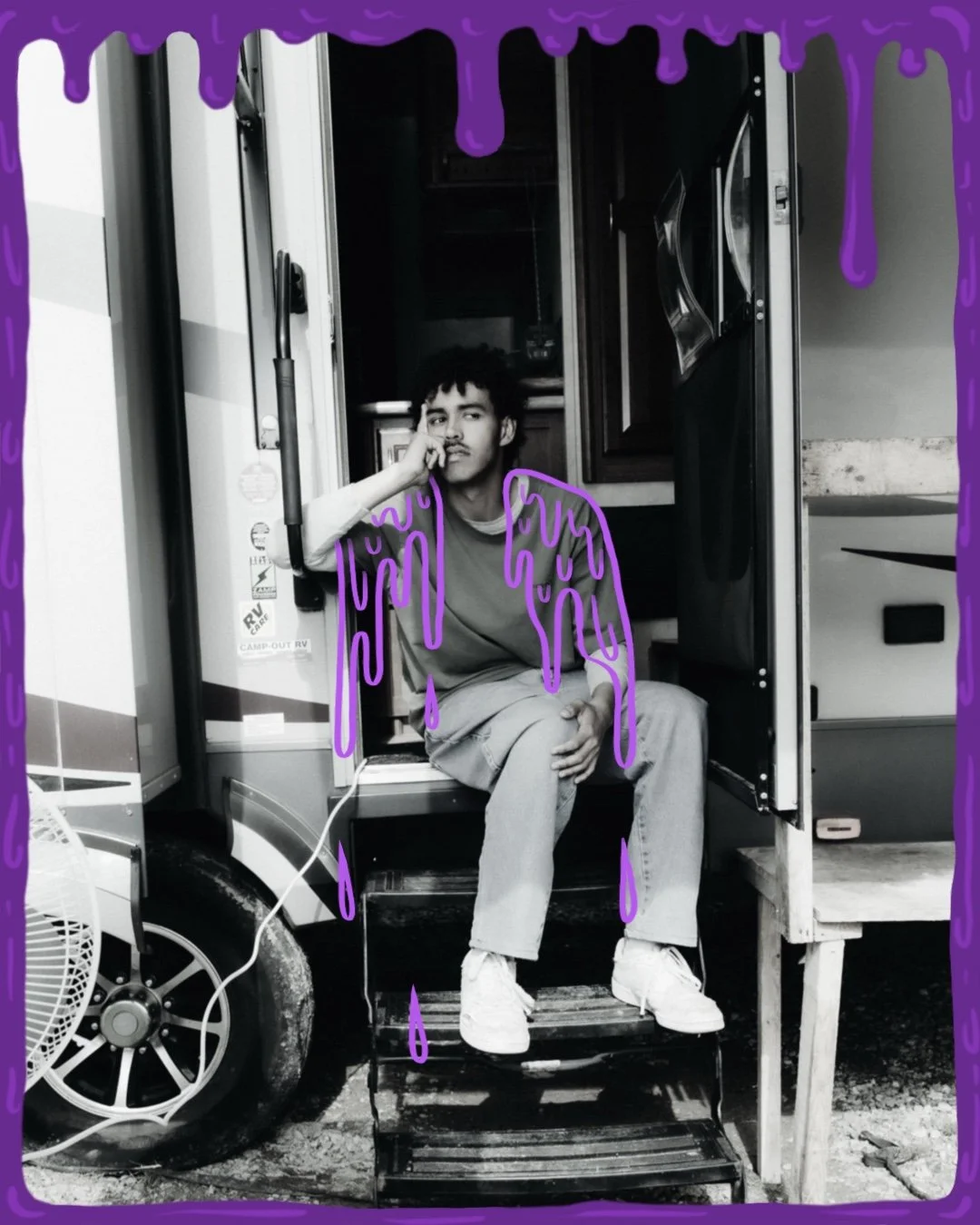
Artist Profile: Virga
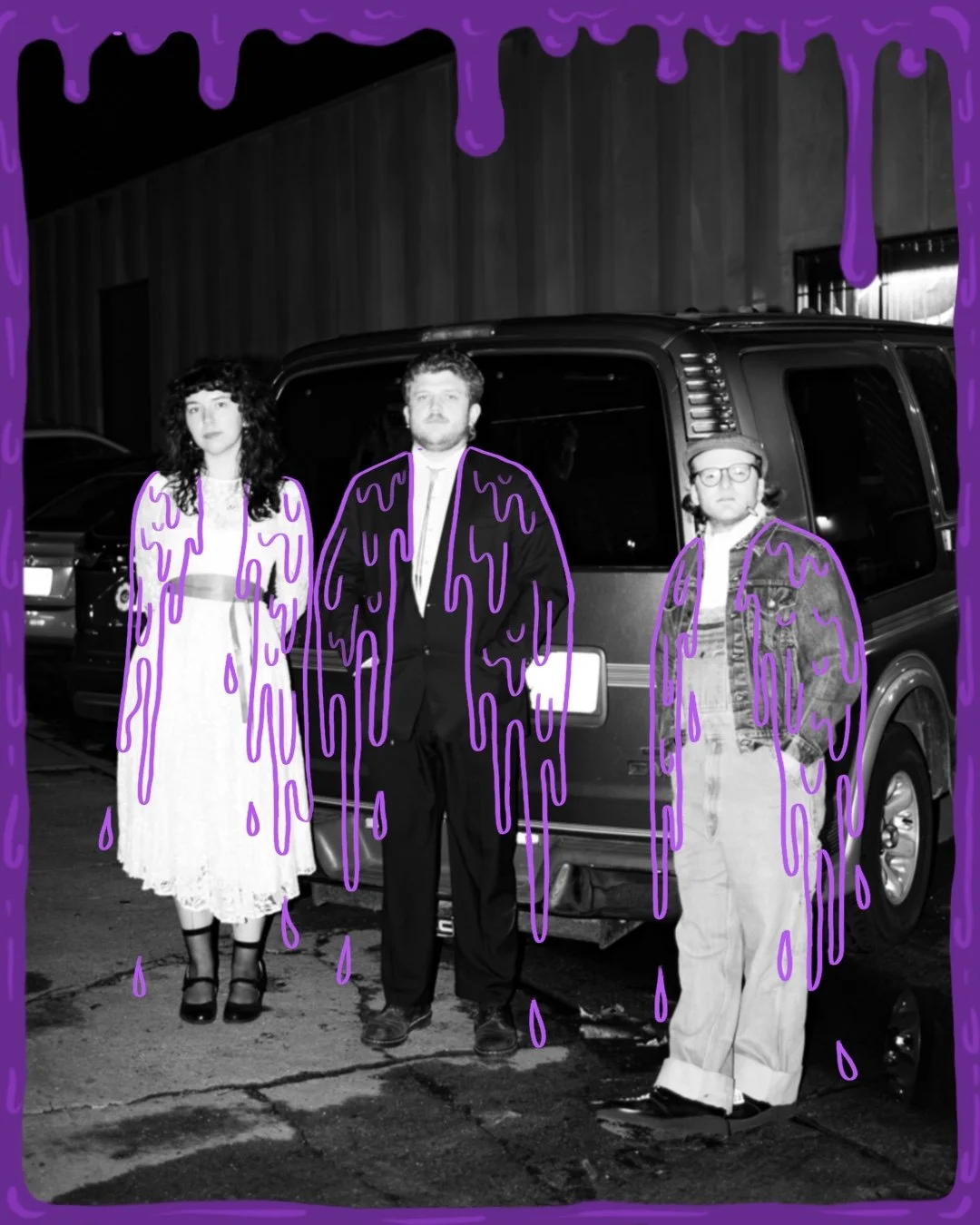
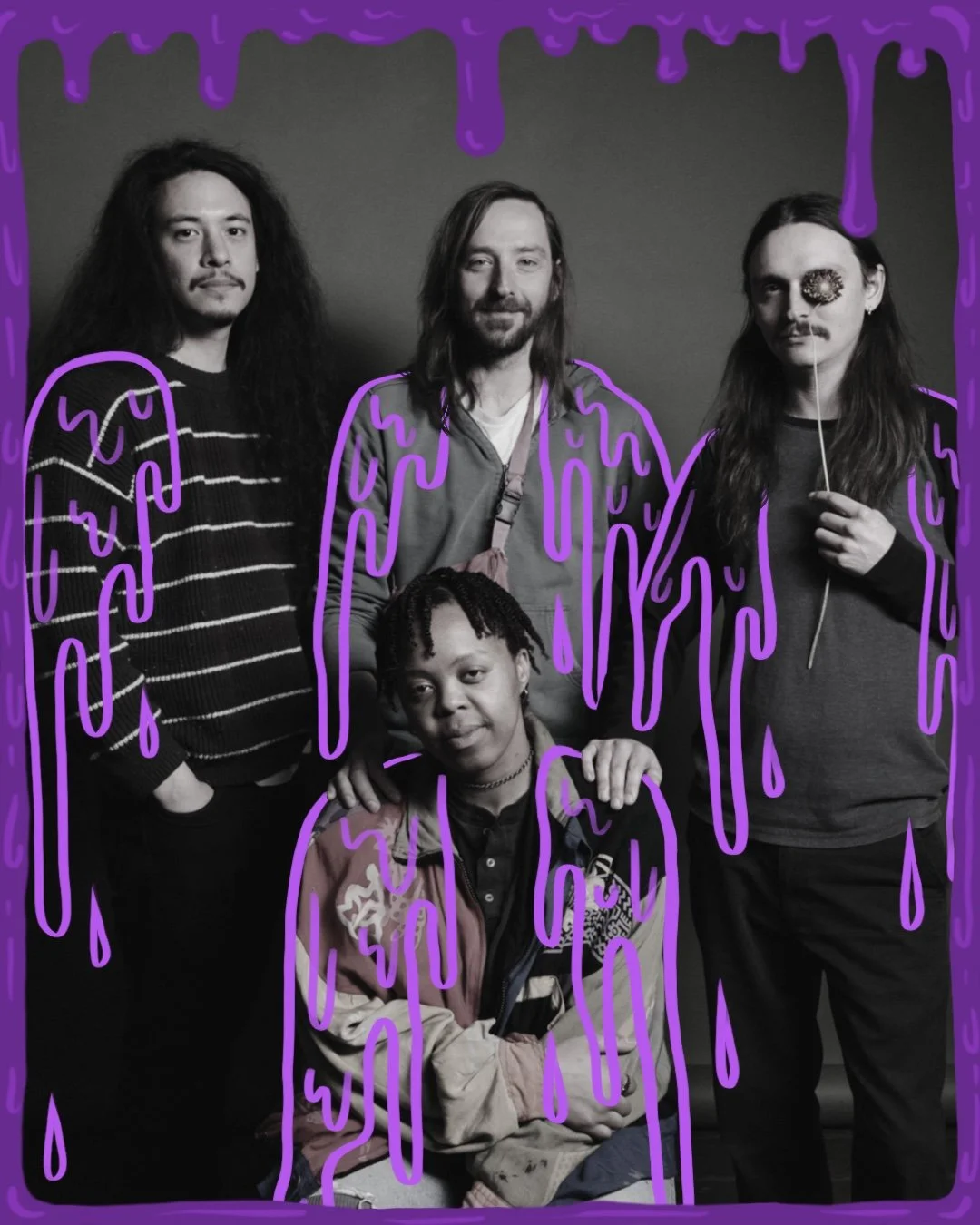
Photo by Teddy Tran
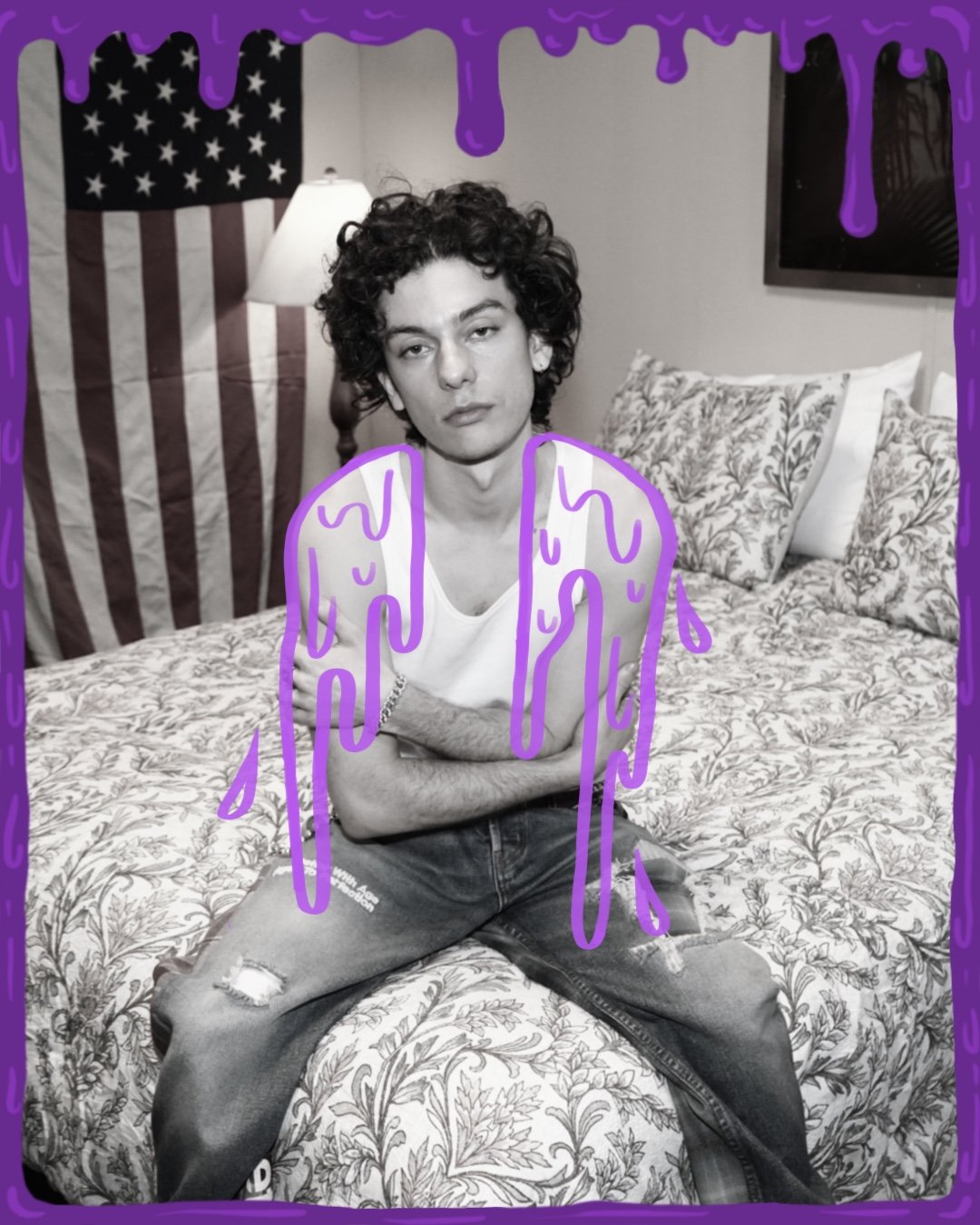
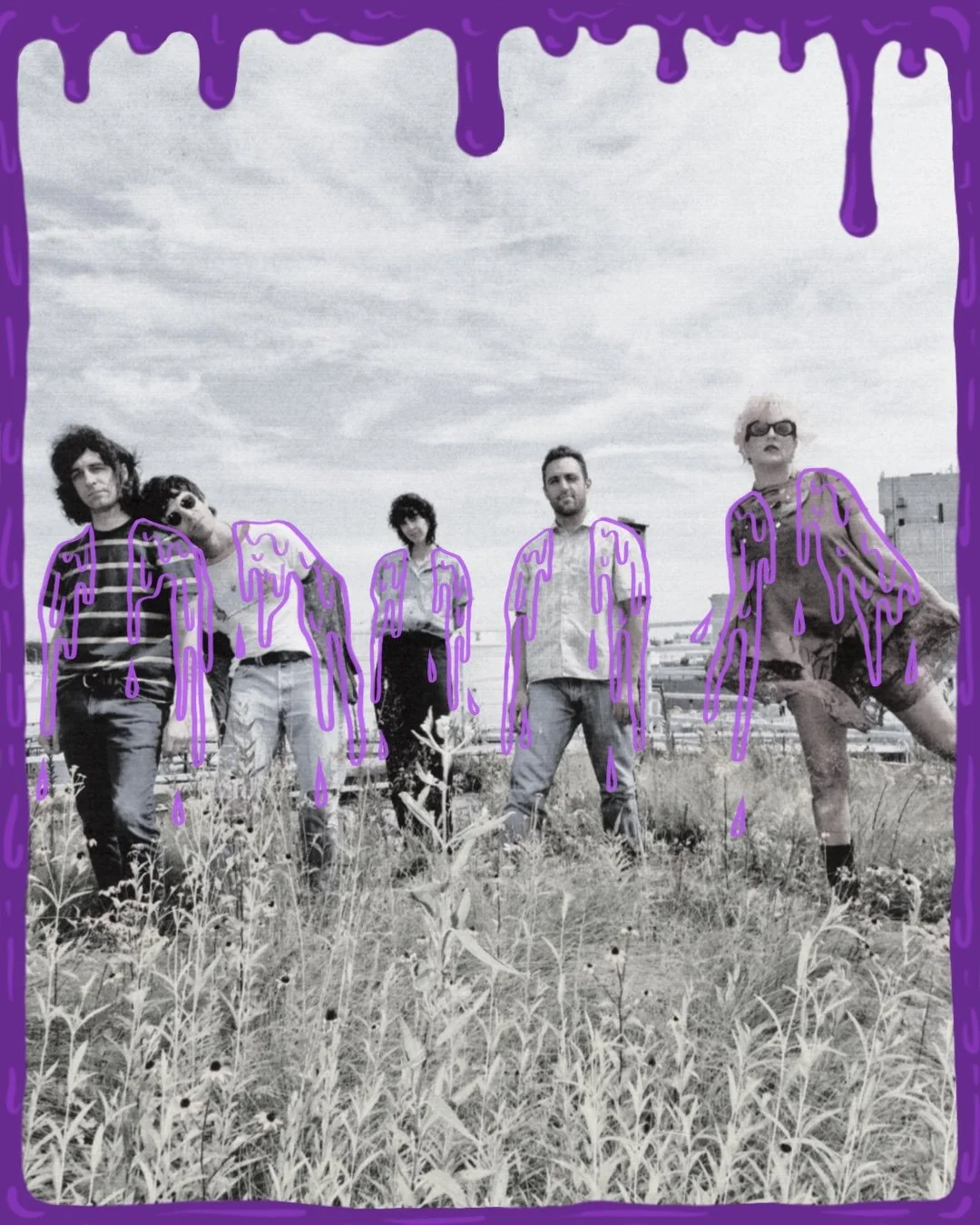
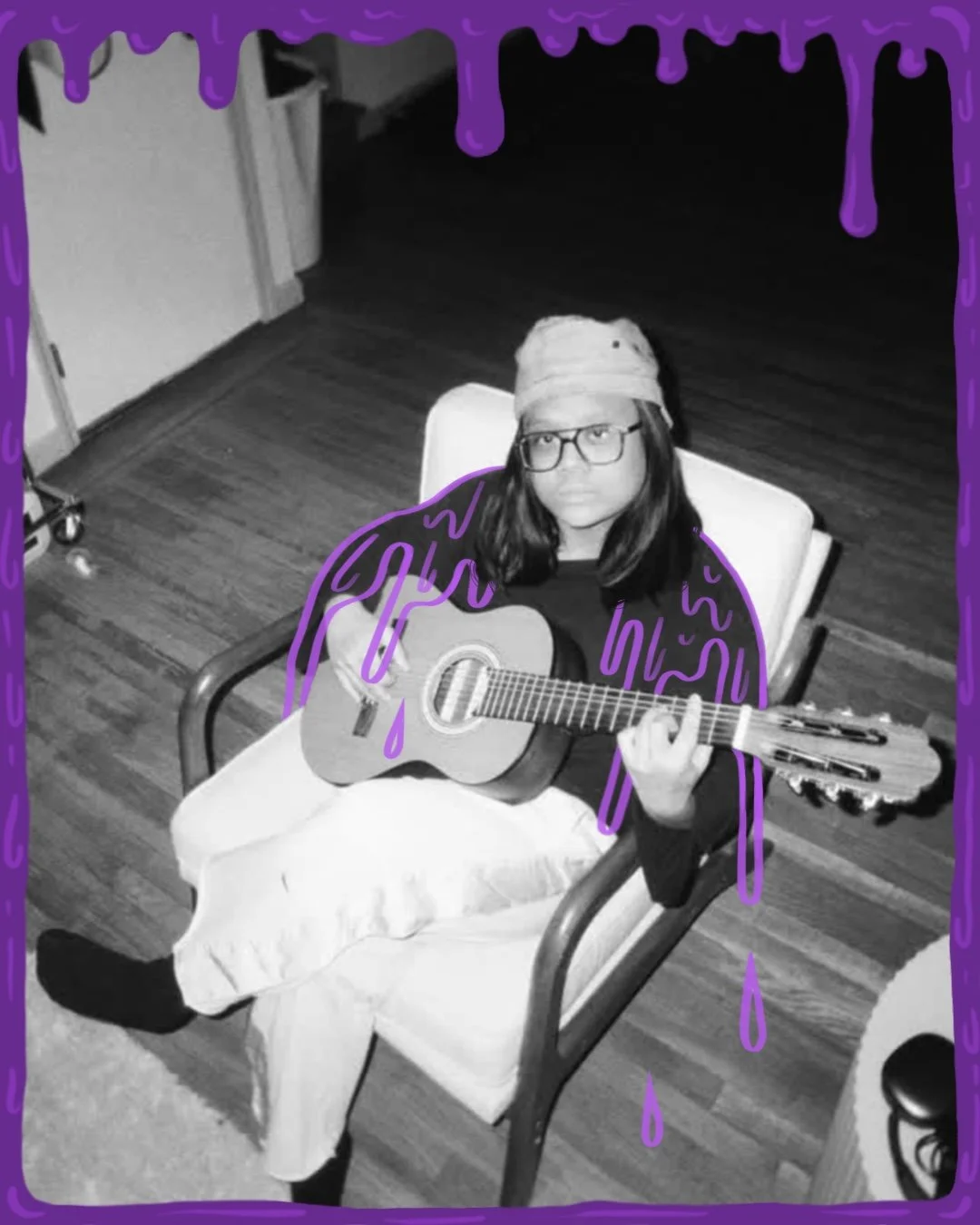
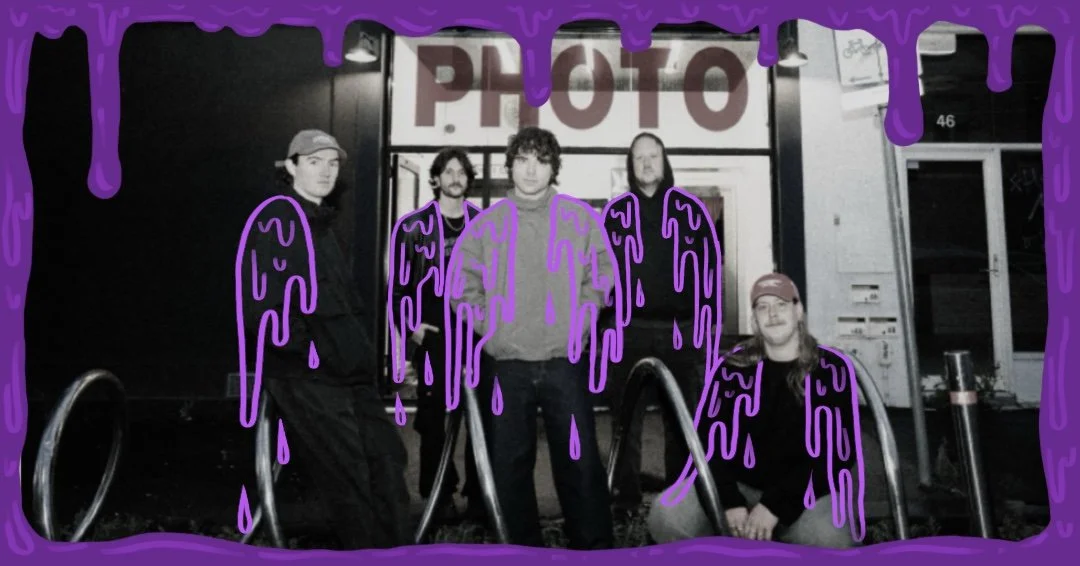
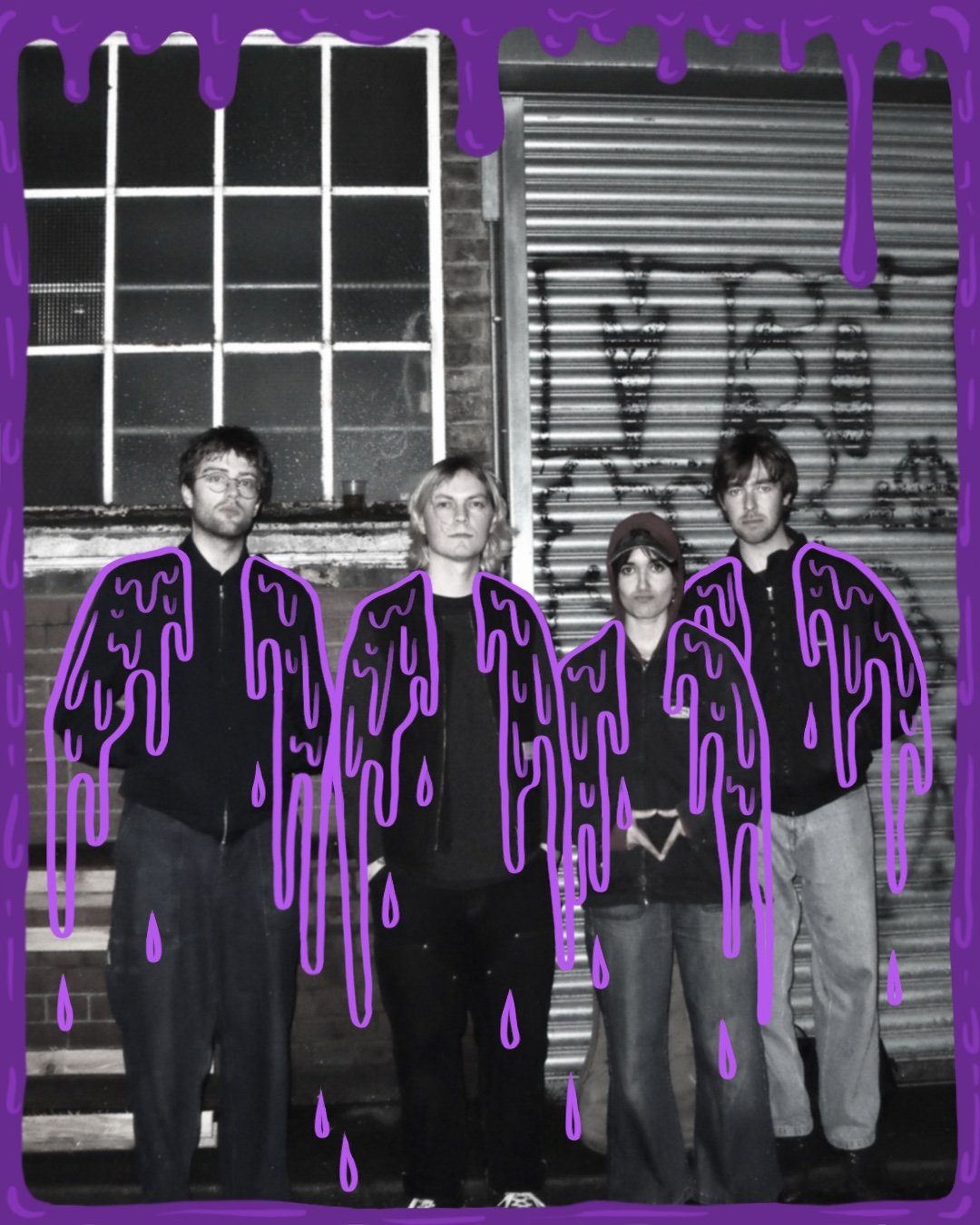
Virga, hailing from the sweeping plains outside of Lawrence, Kansas, sits contra-positioned somewhere between a minimalistic shoegaze and a nose-diving slowcore, reflecting the space and openness of the physical topography they call home. Yet, under frontwoman Faith Maddox and the ongoing creative contributions of her bandmates, the project continues to plow onward into increasingly necessary and starkly conceptual topics– with their latest EP, “The Perfect Freedom of Single Necessity”, serving as the next logical touchstone in this continuing progression.
Maddox’s personal musical journey began as a child, raised in the Baptist church choirs and orchestral sounds of her home in North Carolina. She has stark memories of her father’s CDs being played in the car; the rugged country tracks of artists like George Strait routinely graced her childhood.
She first encountered music, therefore, in a relatively sterile and unyielding environment. It was meant to be practiced a certain way and for a certain purpose, and deviation from that was not always necessarily welcomed.
When she got older and moved to Topeka, her creative environment, initially, was much the same. But with age had come the desire to rebel– to find and earn something different than what she had grown up with.
“I think that, growing up in such a rigid environment, I really thought of music in a very specific way… I started teaching myself how to play guitar when I was around 17, and I was very set on never learning theory because all of my other musical experiences prior to that were only about theory and technique. My junior year of high school [I] had a true rebellious split, quit all the things that I was doing, and just started teaching myself how to play guitar solely by ear.”
Along with her move to Topeka and her revived interest in music came exposure to an entirely new local scene. At the time, Lawrence was absolutely bustling with psychedelic and math rock acts, and Maddox and her friends would drive over almost every weekend to catch a show.
Maddox quickly began writing songs on her own, layering complex lyrics and vocal arrangements over what were, at the time, relatively simple guitar parts. As her technical knowledge steadily increased, however, so did her ability to execute and realize her growing repertory of ideas.
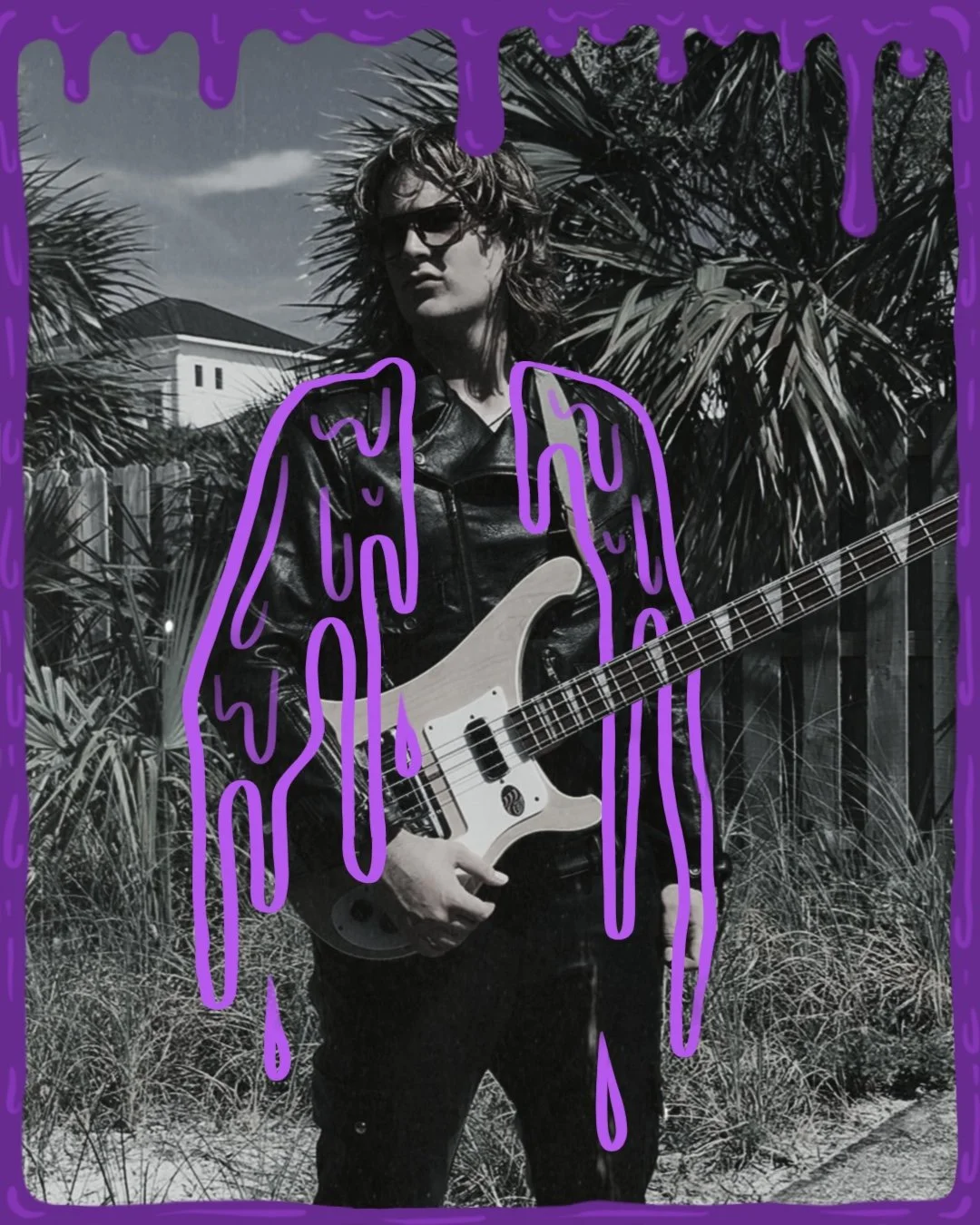
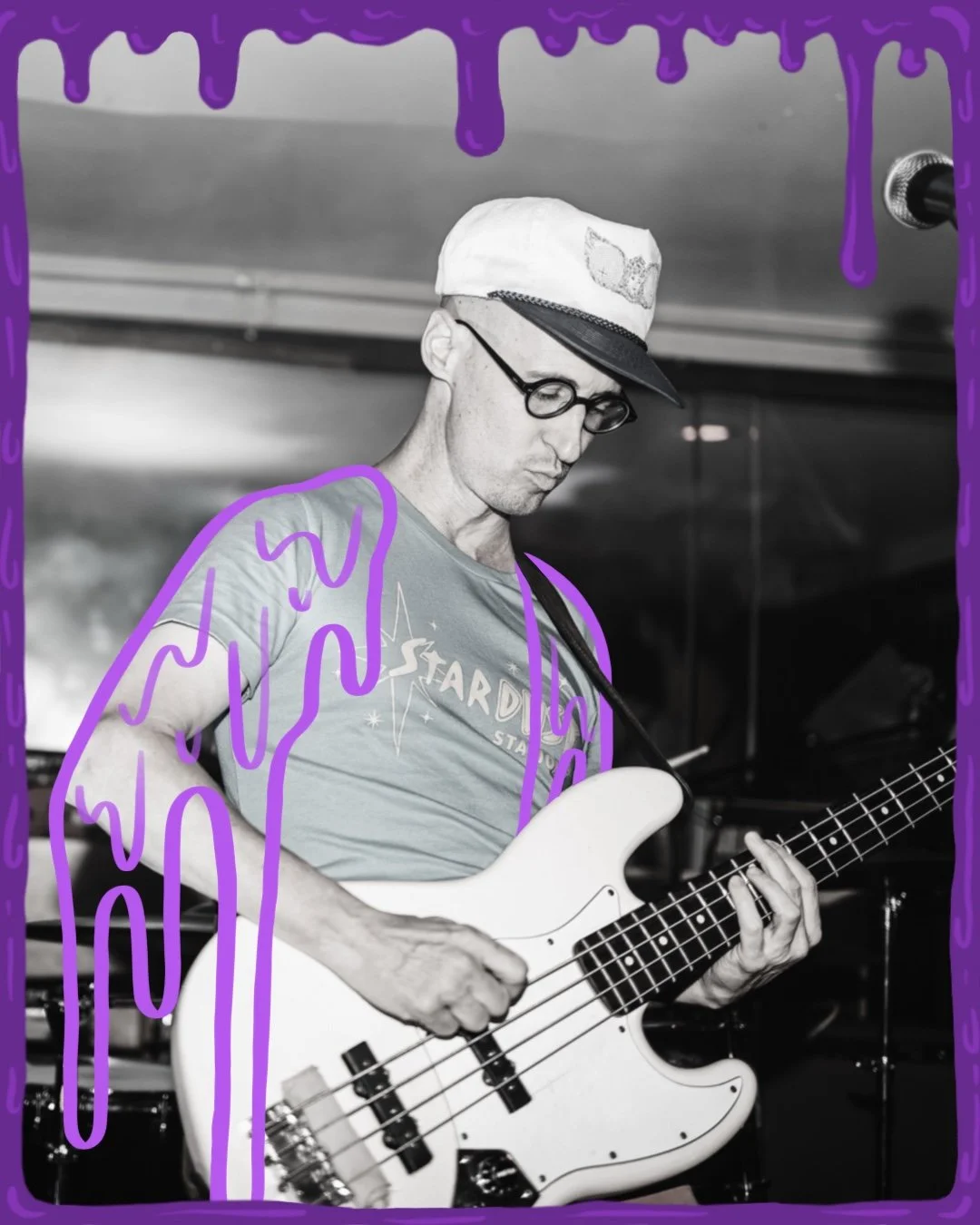
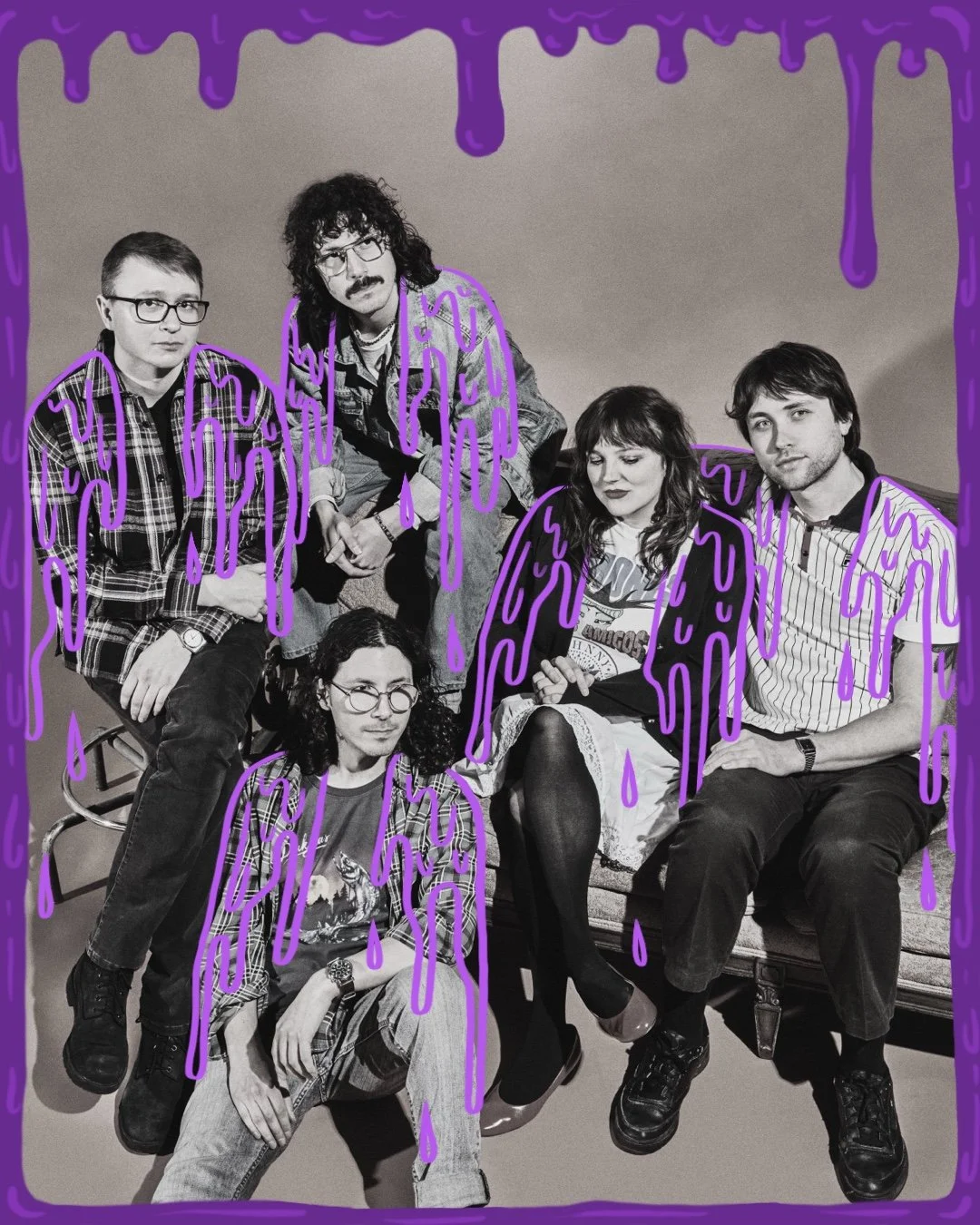
This led to the birth of a solo project. But by the time Maddox had gotten the opportunity to play those songs in a full-band context, she had already creatively moved on from that era of experimentation. Instead, she and her friend Lane decided to pursue a project together– with Maddox as the lead songwriter and vocalist and Lane doing much of the production to fill out the instrumentation. By the time they had finished demoing out a small catalogue of sounds, however, the ambition had already expanded. They quickly added Billy and Deegan, whom they knew from around the Lawrence scene, and Virga had found its final form.
Their first record, in many ways, was an extension of the years of stripped-down, acoustic songwriting that Maddox had undertaken, only expanded into the context of a shoegaze-inspired gloominess.
“The first record [Virga] I would say definitely leans into this sort of shoegaze-meets-Cat-Power confessional, haunting, minimalist sort of arrangement. I think that the sense of place that we are in, in Kansas [and] in the Prairie, has always been very important to the way that I think about writing music and to our ethos as a band. That's still always been at the center, even as the projects have progressed.”
Their second album, 2025’s Eremocene, takes on an even more minimalist approach than the first, ducking the pure shoegaze label that may have been levied upon their first record and instead opting for a much more experimental, and a much sparser, method of relaying Maddox’s undeniable and singular lyrical consciousness.
Eremocene reckons with the effects of climate change upon the very spaces that Virga’s music calls its own; it interacts, at both an oblique and a direct angle, with the weighty concepts of land, ownership, destruction, and endured death in a run-time of just over 41 minutes..
While it’s on a smaller scale, their recent EP toys with these same sonic notions. As the listener travels from the strutting rhythms of “Half-Lie” into the gutting strums of “Night Scene With Coyote”, from the slow-building dread of “The Ditch” into the tender touches of “Via Negativa”, they are immersed in the vast space that Virga has created– drawn toward the center of the highly-textured and deeply intentional boundaries the band has marked out.
Although work on their next project has just started, Maddox firmly believes in continuing on this same trajectory, probing every sonic corner their inter-genre occupancy has presented them with.
“I'm feeling very interested in the construction of space and place. I do really feel like those are the most important parts of understanding Virga. And I think that, thematically with the EP, I learned a lot about myself through trying to conceptually exaggerate or further explore things in me that felt very shameful. I'm interested in continuing to do that… I think that there are a lot of things in the world right now that feel very easy to look away from. And I think there are a lot of things in the news that kind of emulate what the effects of looking away from that are.That's something that I'm thinking about a lot as we're starting to do what we're gonna do. I have no idea what it will be, but whatever it will be.”