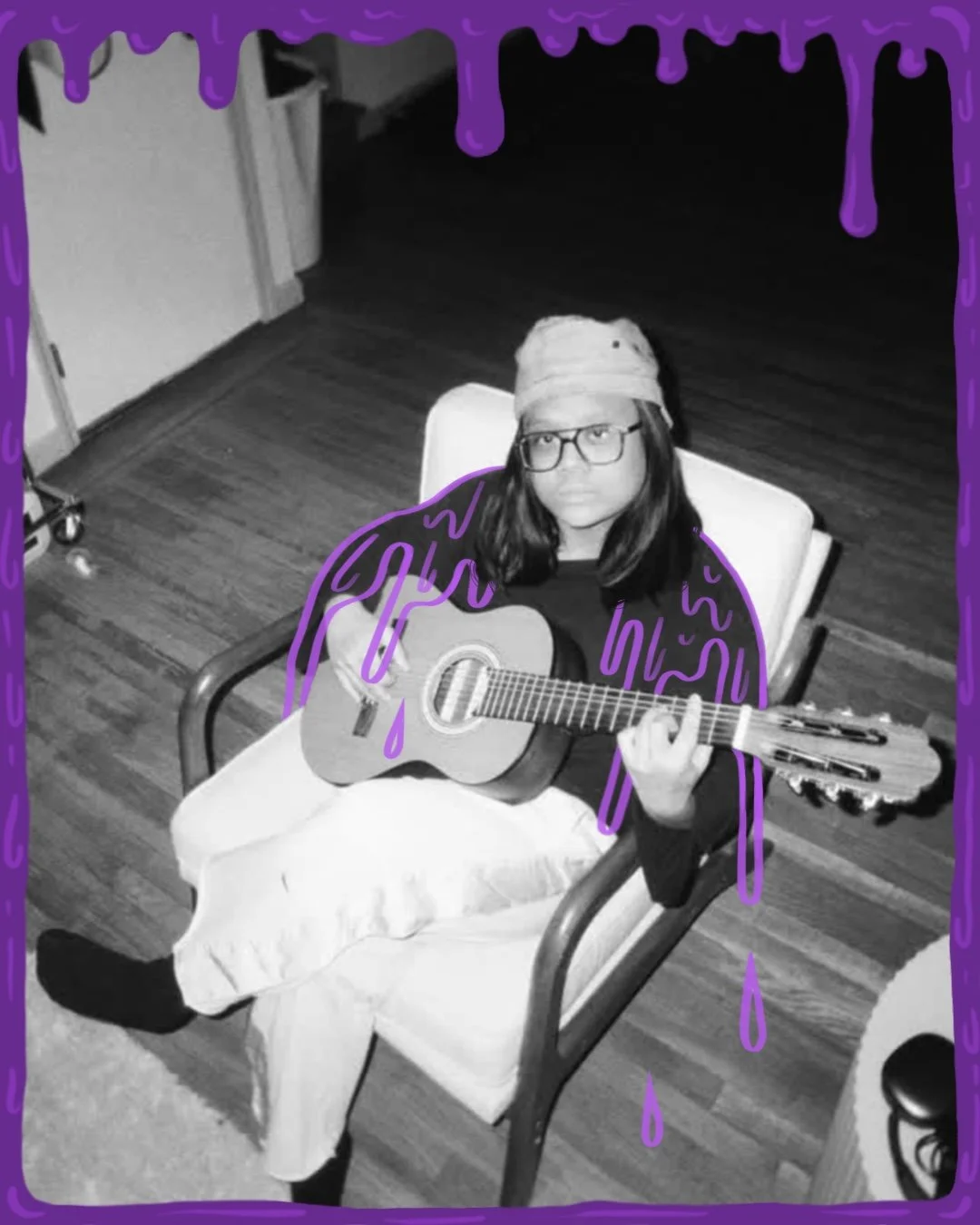
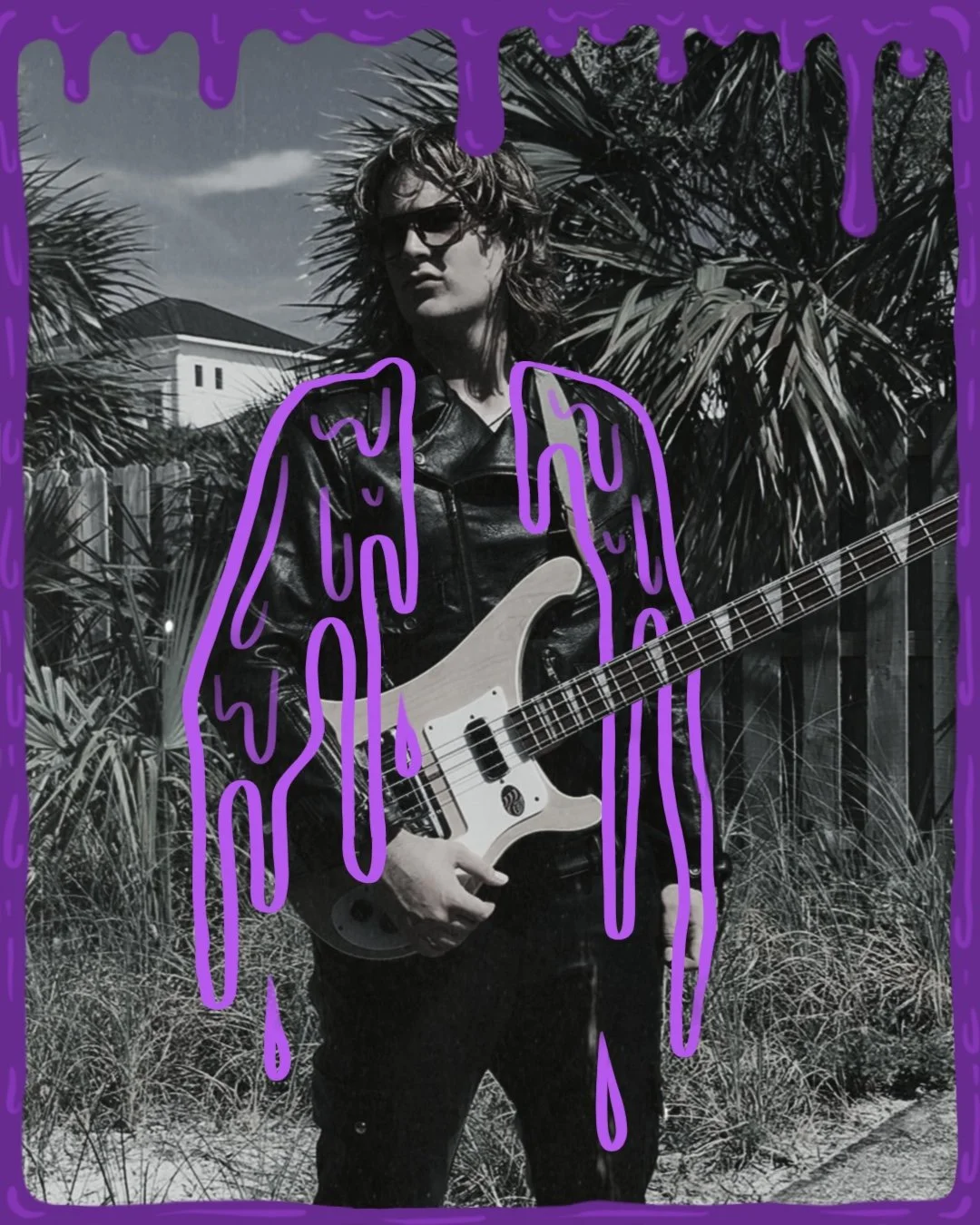
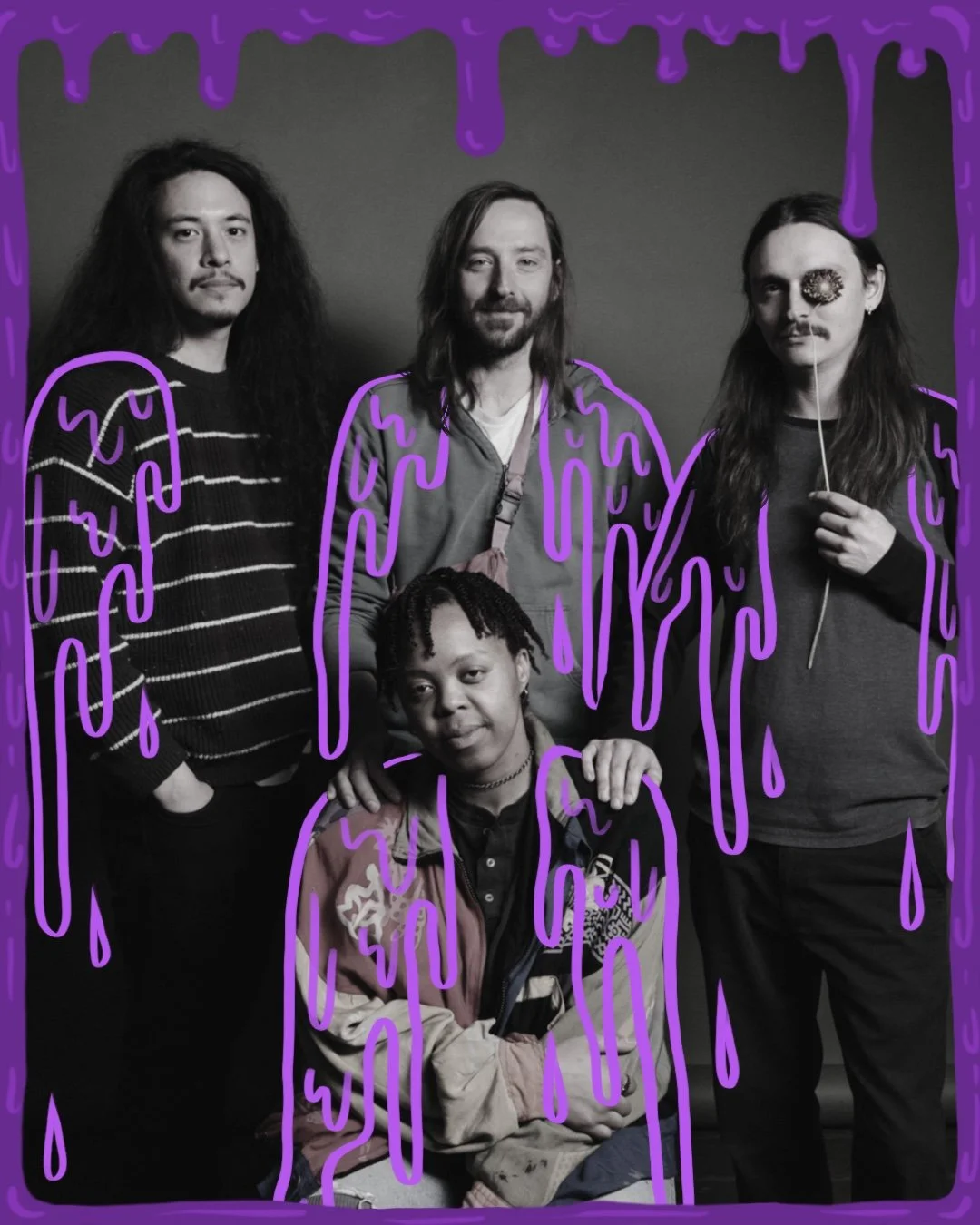
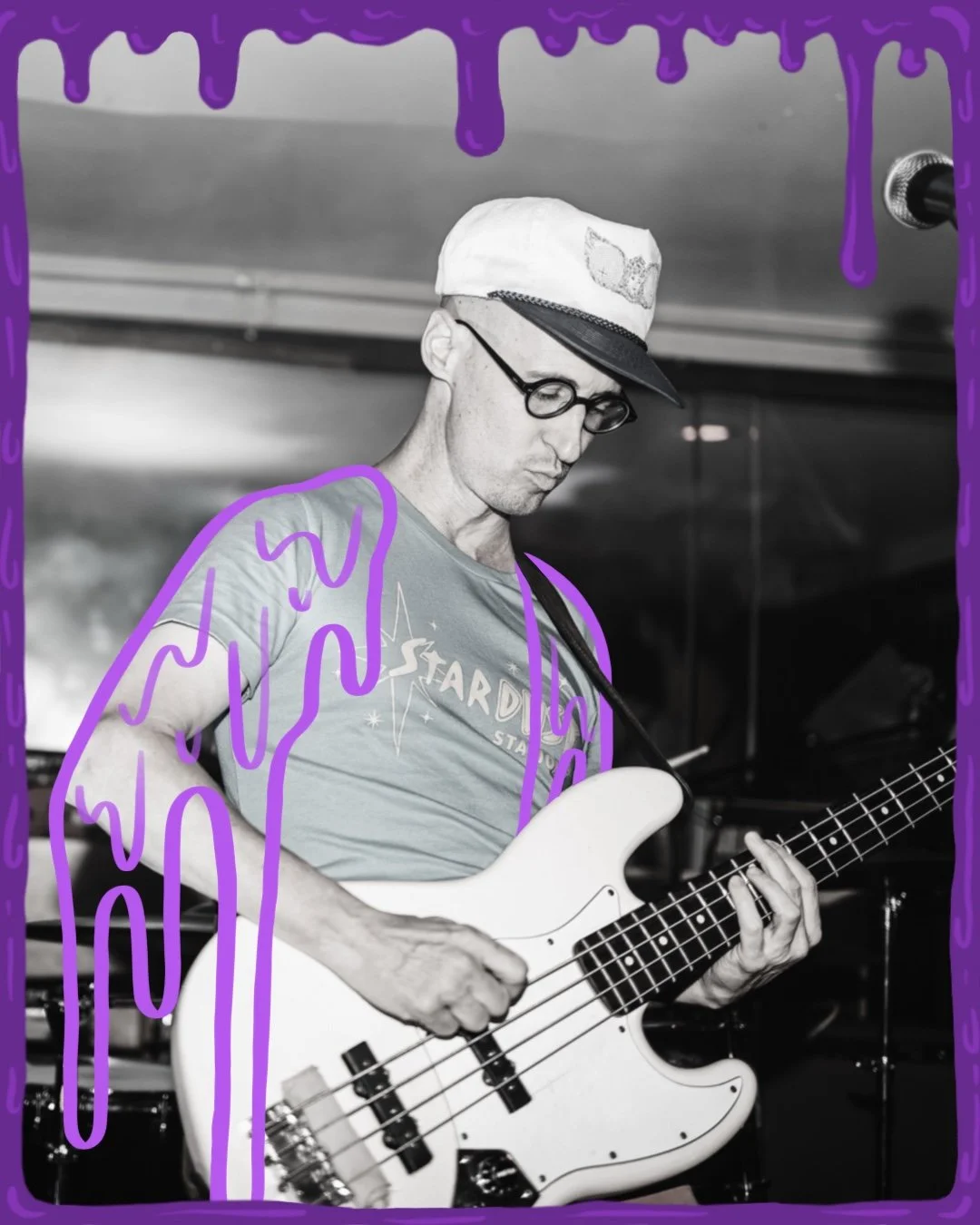
Artist Profile: Country Restroom
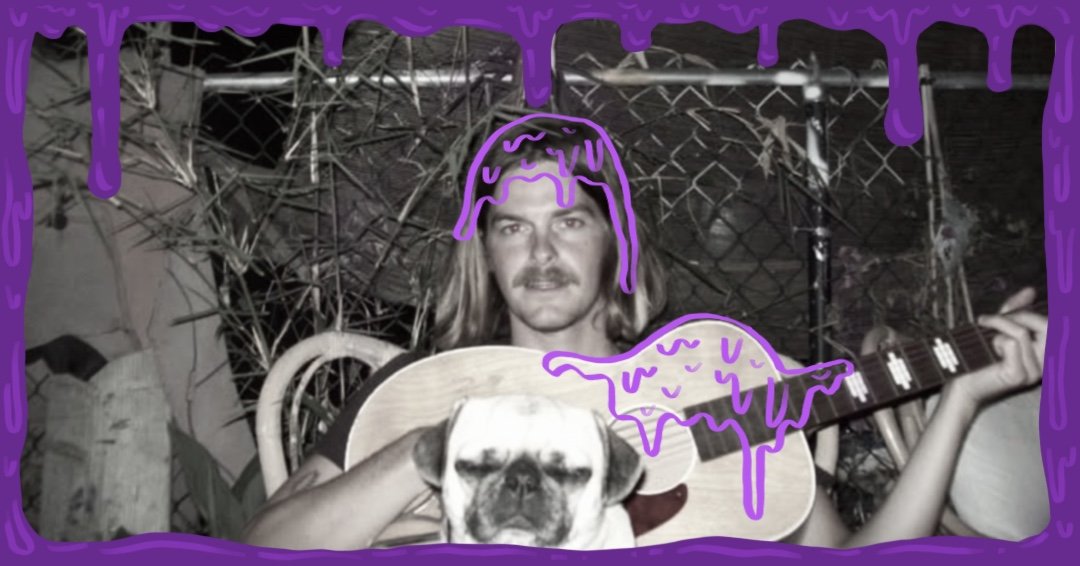
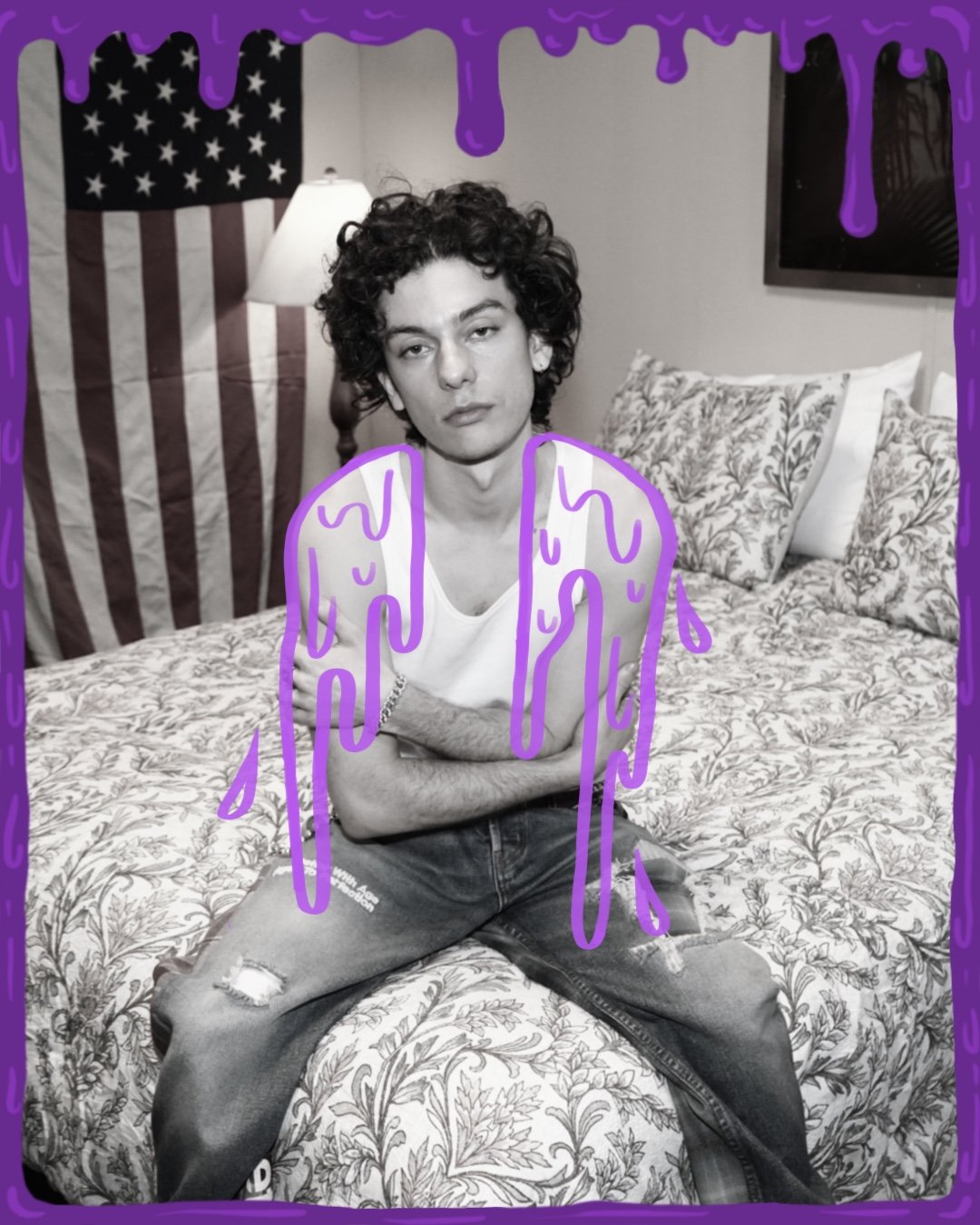
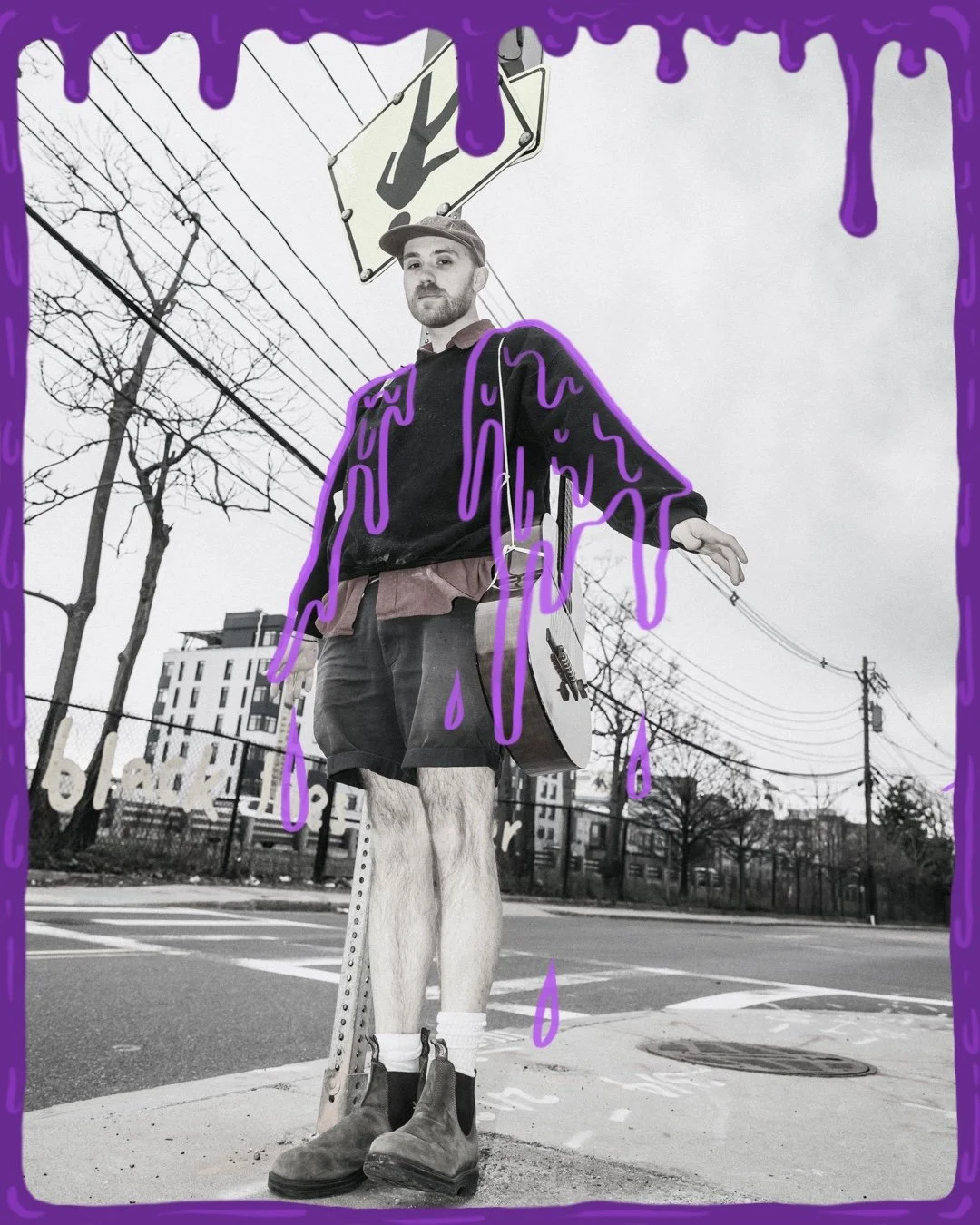
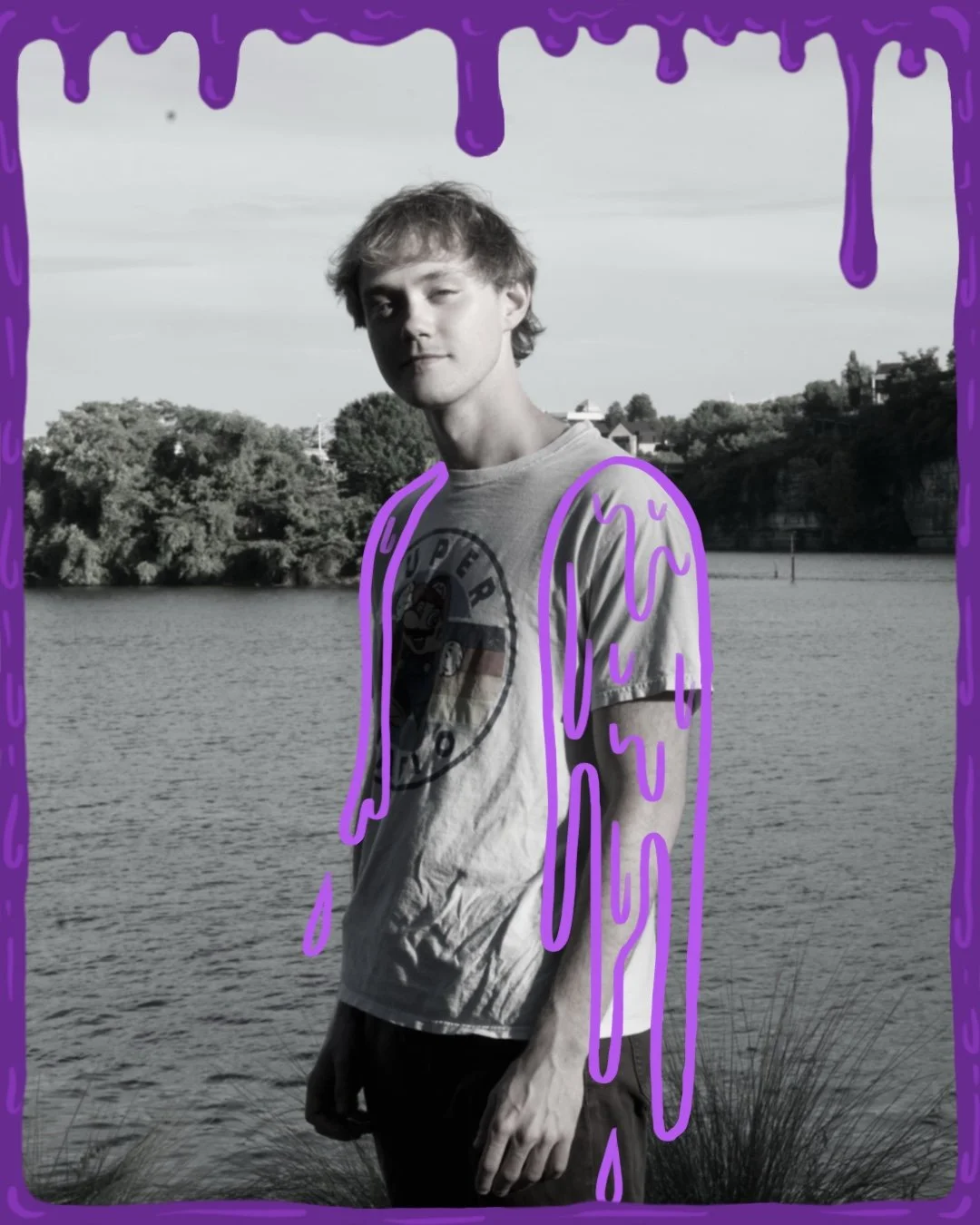
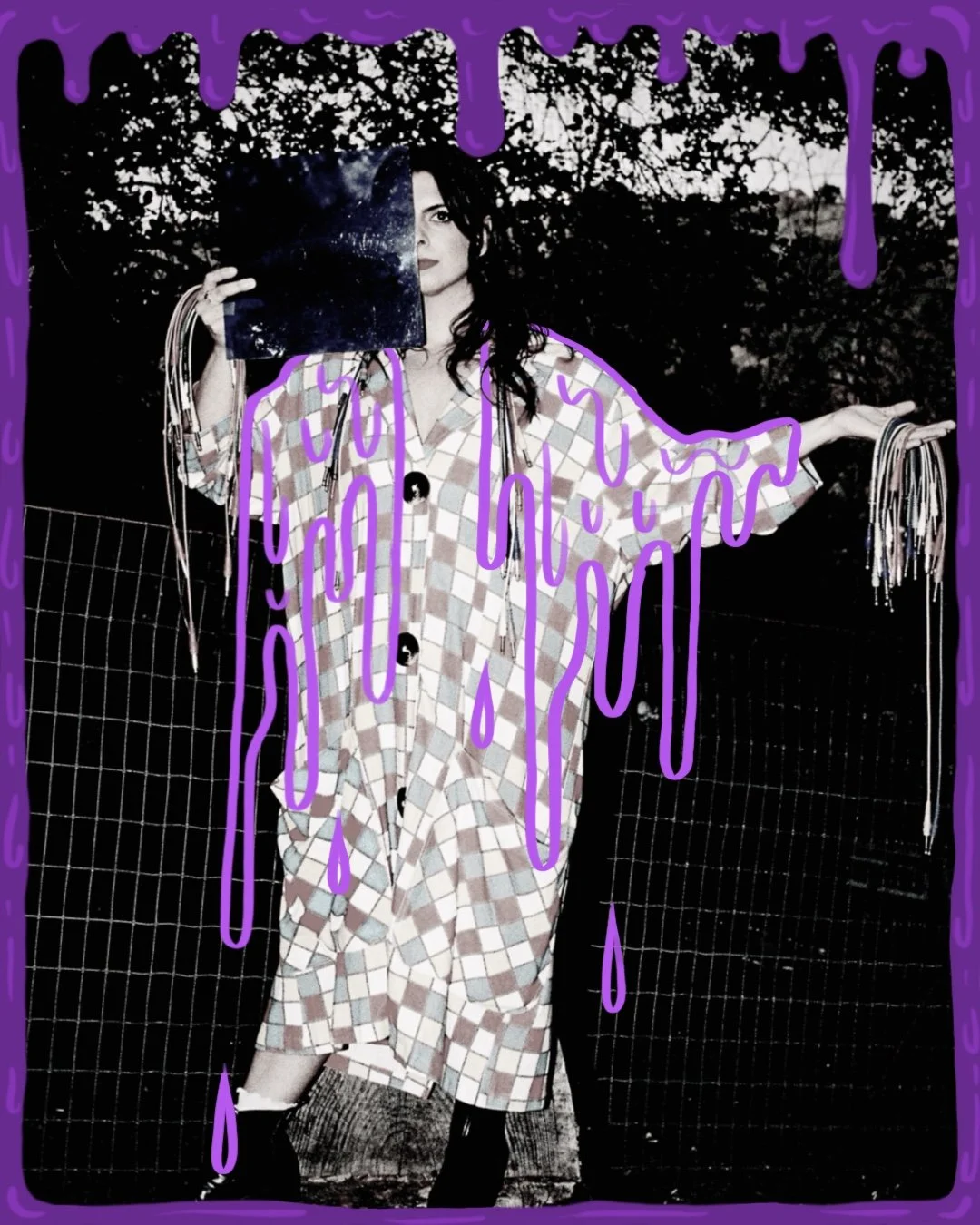
Over hallowed strummings and lonesome harmonica, Riley Getz, under the alias Country Restroom, belts words of suffering and joy, of late nights and early mornings gazing up at grey skies, of feet steeped in dewy grass.
His newest project, “Summer Rain”, encapsulates all of these experiences and more, seemingly drawn out directly from scribbled notebook pages into sonic form.
“Originally, the idea was to make it kind of sound like basement tapes, like that Bob Dylan record a little bit…I wasn't trying to force any certain sound or genre, but I think just the influences kind of caught up with me and made it sound naturally a little bit more cohesive.”
Growing up in Southern California, Getz was exposed, mostly by his parents, to great music. Alternative rock, including the tunes of The Replacements, populated his childhood home.
His first influences counted a number of alternative and punk bands, including The Violent Femmes and The Pixies.
This was, eventually, augmented by a sense of competition with his older brother, who is also a musician. As he picked up a guitar, so did his brother, and the pair began writing songs together.
“[My brother is] someone who I've always kind of been competing with, in a sense. It's not competitive at all anymore, but when we were kids, for sure. It was always just like who can find the coolest band first, or who can write the better song… It's definitely been very informative.”
While the process of songwriting was something that came “pretty naturally” to them, the refined sound that Getz pursues today took time to form.
He played in various bands, with and without his brother, throughout his adolescence. However, when COVID hit, their primary project dissolved, and, ultimately, Getz moved to Los Angeles while his brother moved to Chicago.
Thus, many of Getz’s old artistic connections having been severed by proximity, Country Restroom was born.
“The solo stuff [began] out of necessity, of just needing something to constantly push music through, as opposed to having to write for a band with other friends.”
Materializing much of what Getz learned in his various employments in earlier projects, “Summer Rain” is a clearly polished and intentional record despite its homegrown foundations. Recorded primarily on his friend Donovan Wildfong’s analog eight-track, it pulls largely from the annals of DIY folk, including Robert Lester Folsom and Arthur Russell.
From the jangly grooves of the title track to the croonings of “Leaving California”, Getz bears his influences fully while maintaining his unique sense of harmony and sonic complexity.
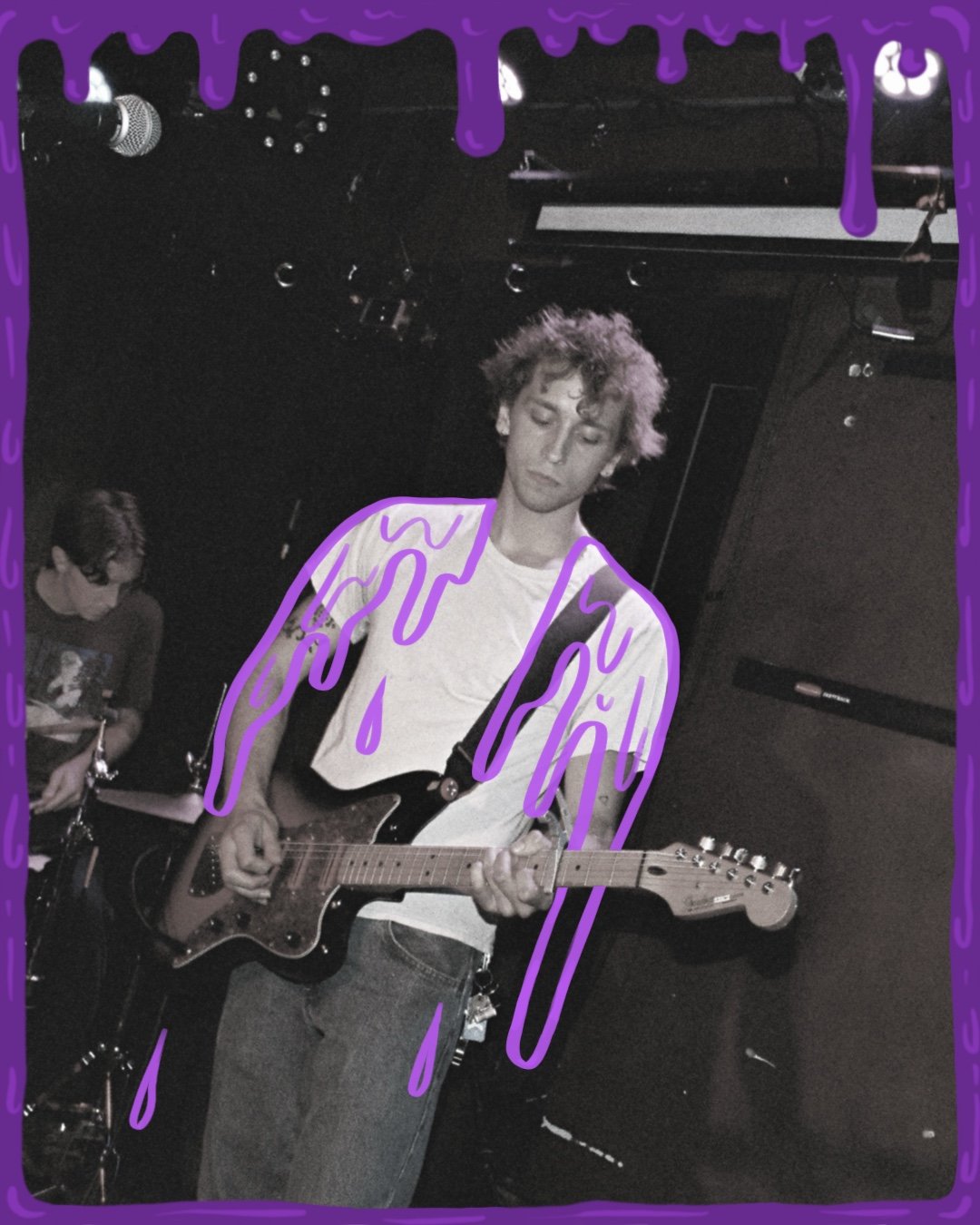
This has recently been enhanced by the addition of a third guitar in Country Restroom’s live shows, played by Adam Weddle.
As Getz looks to push his sound further, he plans to incorporate more robust instrumentation, manifesting some of the finer points of his first project. He has recently finished writing a new record that he will begin recording in the coming weeks.
“I think [the new record] is really good. I think it's a lot better than the last one. I think lyrically it will be a lot more interesting. It seems just a lot larger, a lot more guitar, a lot more dynamics going on… There's still, I mean, maybe max four chords in every song, which is important for me, but there's definitely more variation.”
Brighton-based outfit Glasshouse Red Spider Mite, in its public visage, offers an intriguing combination of alternative rock motifs— the thrumming guitar of slowcore, the subdued, emotive vocals of shoegaze, and the overall gothic atmosphere of emo dominate their sonic front. But behind the band is a group of three long-time friends whose musical connections date back to their days in primary school, and with each successive release, the band comes closer together in their unified creative vision.
Otlo, the artist moniker of Tennessee-based indie and vaporwave-influenced songwriter Preston Bearden, first began as simply a creative outlet— a way for Bearden to explore a sonic niche that he had fallen in love with as a teenager during his first real exposures to music. But as he continued to delve deeper into the world and the character he had created, he felt himself becoming more convicted of his creative aspirations, and his latest album, A Boy Can Dream, shows the vulnerability and the openness of sound that has accompanied that development.
Void Comp, the alternative electronic project of Edmonton-based songwriter David Julé, began simply as an exploratory pursuit— while Julé knew he wanted to make music, he didn’t know the exact path his voice could carve for him. But as he continued his sonic experimentations, and continued to etch out his distinct style as a songwriter, he struck upon something tantalizing: a synth-filled mixture buoyed by his prowess on the electric guitar and rounded off by his textural approach to his vocals. The result, as exemplified on his debut album Passerby, transcends even the experimental strictures of the genre that he occupies.
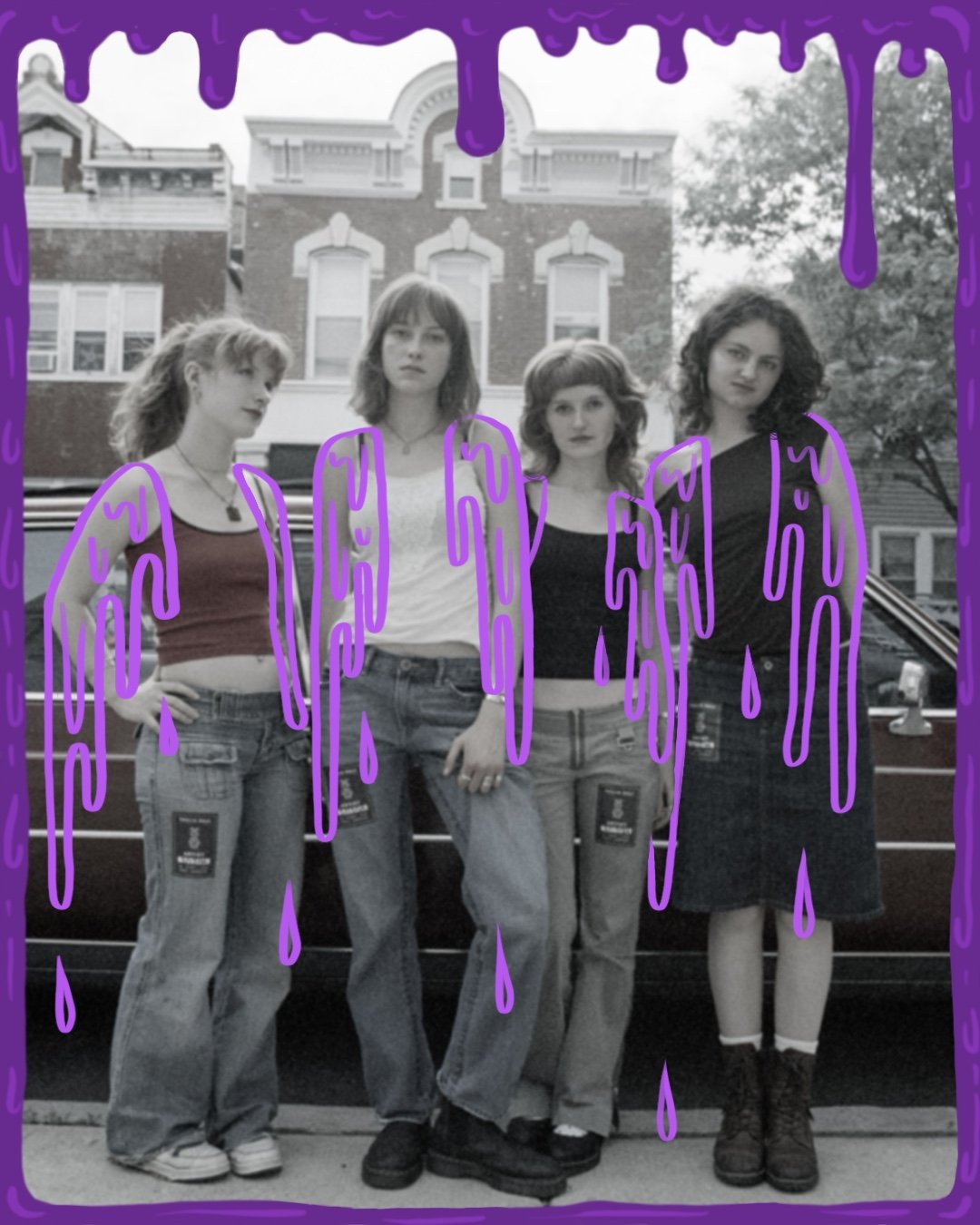
Neptune’s Core— the alternative rock band composed of sisters Kaitlin and Jackie Cywinski and Sofie and Hannah Richter— has been making waves since their first appearances on the local Chicago scene back in the late 2010s, when each member of the band was at some point in their journey through high school. But as time has gone on, their vision of what the band could be has become more and more ingrained in their collective creative identity, and as they prepare for the release of their debut album Pivot, each member is well aware of the weight this next step carries.
Spacemoth has served as the experimental playground for instrumentalist and songwriter Maryam Qudus since 2020, and in that time she has developed an otherworldly sound— one that has expressed itself in both a resolute darkness and a cosmic playfulness. But the thread of creativity, of a desire to explore and experiment, goes all the way back to her childhood. Her latest record Inward Eye, in many ways, represents the culmination of these efforts and experiences.
Although Suitor’s roots are undeniably in the Pandemic-era recording whims of vocalist Emma Shepard and guitarist Chris Corsi, their expansion into a five-piece group— with the addition of bassist John Corsi, guitarist Stephen Ovak, and drummer Ryan Matricardi— has helped bring the band into its fullest, exploratory shape. While the springing, post-punk foundations of their debut LP Communion are still ever-present in their sonic atmosphere, their sophomore effort Saw You Out with the Weeds leverages the expansiveness of their new instrumentation in a way that’s undeniably refreshing and unique.
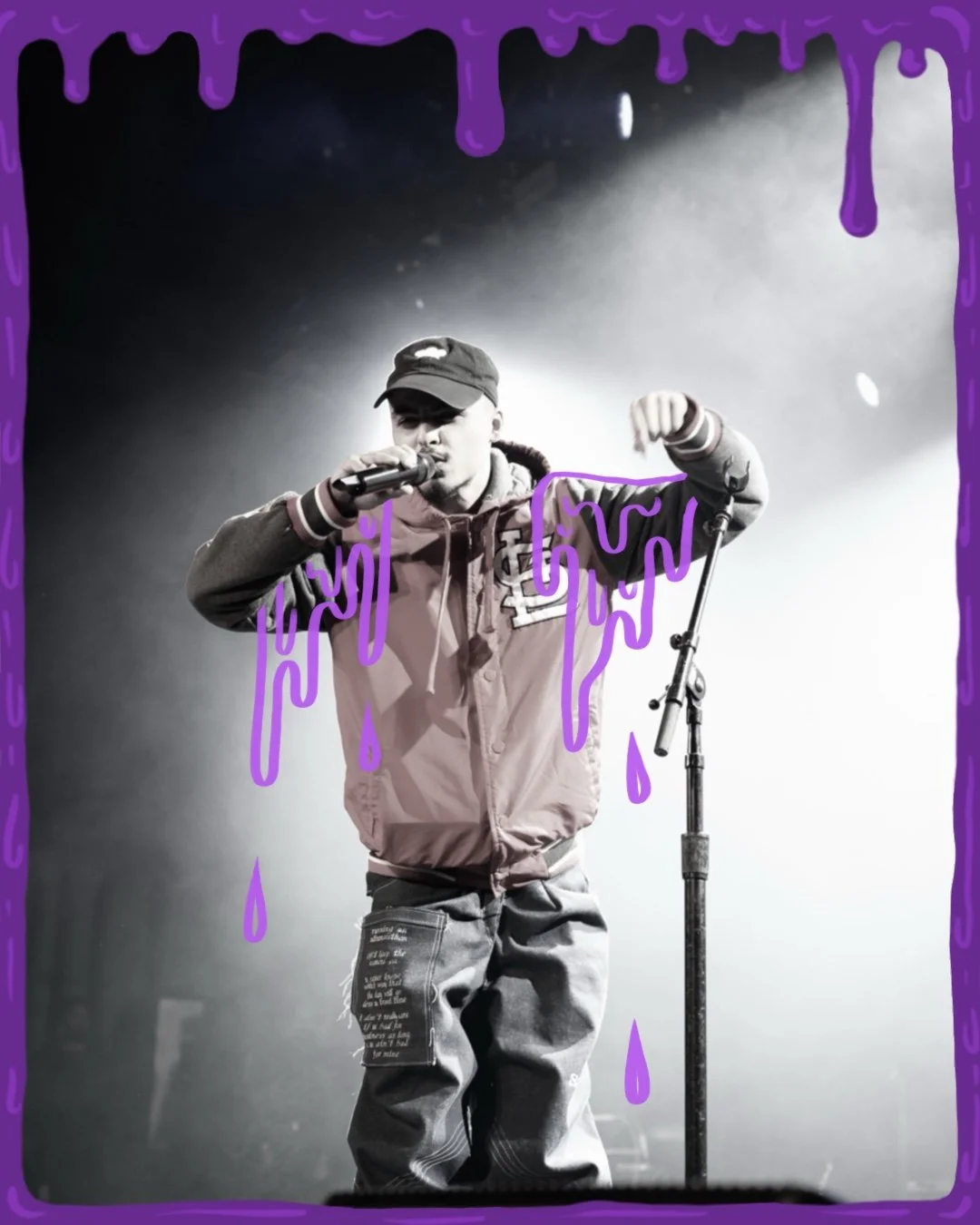
There’s not many artists that hail from the Central Valley of California, let alone Jonah Love’s hometown of Hanford. But since Jonah has carved out his natural, relaxed, boom-bap inspired flow, he’s steadily captured an audience of hip-hop listeners, both with his apparent ease of delivery and his constant work ethic. Now, as he awaits a move back to the NY scene and continues to push his work out at a blistering pace, these qualities of his sound have taken the forefront— a full display of the artistic naturalist that Jonah is.
Although pop-punk may be the appropriate genre label for Australian duo Cry Club, it’s far from an accurate depiction of their sound. As Jonathon Tooke and Heather Riley delve further and further into their collaborative venture, which began with the intention of carving out simple digestible, pop songs, things have steadily gotten heavier and more sonically complex. The release of their newest album, High Voltage Anxiety, simply was the next step in the logical sonic process that has guided them since they first began collaborating as university students, and in its searing punk tones and earnest theatrics, the project is the most honest and upfront in their growing discography.
When Ontario-based songwriter Cam Kahin first started making guitar demos in his bedroom as a teenager, it was the angst and the raw energy of the music of his youth— the Warped Tour sounds of the mid-2000s— that truly appealed to him. And now, after a major label EP and a full album distributed across mainstream channels, Cam feels as though he’s rediscovered the sound and energy that first spurred him into creativity, and his experimentation and musical wanderings have returned to the sonic point he has called home since he first picked up the guitar.
Over Floyd Zion’s last two releases, 2023’s full-length Pink By Floyd and his 2025 EP who hurt you?, the Los Angeles-based indie artist has painstakingly carved out an unassailable sound, carefully interlocking the adrenaline-pumping rhythms of his experiences as a producer with a grungier, distinctly lo-fi guitar sound and his trademark distorted vocal approach.
That Graduate, the artistic moniker of indie-pop instrumentalist and songwriter Charlie Peacock, found its roots (as the name might indicate) in the strange vocational abyss that followed the artist’s graduation from college and return to his hometown. But since then, through his days performing with Portland outfit Hard Yes and his own trio of solo releases, he’s dialed into a unique, reverberating, guitar-driven pop sound— one that, in its instant recognizability, has given him a chance to truly carve out an identity as an artist.
While Italian outfit Glazyhaze’s initial output spawned from the purely natural progression of the group’s collaborations, taking root in lead vocalist Irene Moretuzzo’s dream-pop leanings and the more shoegaze-inspired instrumental foundations of guitarist Lorenzeo Dall’Armellina, they have since worked to carve out an undeniably refined and intentional sound — one that, in its experimental wanderings from its initial shoegaze bent, took its fullest shape to date on their 2025 album Sonic and continues to rear its head as the band prepares to begin their third studio project.
From the outset of his musical pursuits, Alex Glendening’s goal has always centered around songwriting— crafting tunes that not only serve to scratch a certain sonic itch but also, as his career has unfolded, are marked by his signature rhythmic complexities and idiosyncrasies.
Ebbb began merely as a Pandemic-spawned idea of producer Lev Ceylan, but that vision has continually evolved and folded in upon itself, and with their debut record Shallow Hits, the UK-based electronic trio has found its stride, etching out wavering emotional canvases across an ever-expanding sonic range.
Although youbet began as the bedroom-pop project of singer-songwriter Nick Llobet, the project was never simply just a creative outlet. As Llobet transitioned from his early days of obsession with technical guitar mastery and turned his attention towards building a fuller sonic world, he had a hazy vision of a layered, otherworldly songwriting approach— one that ultimately manifested in the experimentally-inclined indie folk of youbet and, with the addition of bassist Micah Prussack to the project, reached its culmination.
When Hillsboro’s frontman, Vancouver native Nima Walker, first began making electronic instrumentals in his bedroom as a teenager, he never imagined he would have the inclination to lead a rock band, let alone find the confidence and community that the activity required. But over a decade later, Hillsboro has found its fullest expression under the winsome eye of Walker’s earnest songwriting, and with the release of their new album A Party in Your Name, this artistic impulse has worked its way to the forefront of a distortion-heavy, garage-rock-oriented backdrop.
When guitarist and songwriter Jack Shields got the call that he was being invited to join Richy Mitch & The Coal Miners, he knew that his life, in many ways, had changed forever. In a sense, he had accomplished the goal he had first set out to achieve as a teenager— to live and work full-time as a musician. But beyond the tours and the recording, Jack’s new gig has yielded one central benefit. He’s gotten to devote his attention to his solo venture, Jack Shields & The Mojave Rush, and with the release of his newest album Avalanche Hour, he’s continued to carve out the distinct, ragged sound that has become all his own over the past few years.
For Ellen Froese, the Saskatchewan-born singer-songwriter, the release of her 2026 project Solitary Songs, a collection of 11 tracks recorded in an open studio setting with a group of friends in 2024, represents more than a return from the four-year break she took from the music industry. The project is a testament not only to the new artistic balance she’s found, but to a mode of living and a freedom of expression she’s carved out as she’s slowly come into her own as a songwriter.