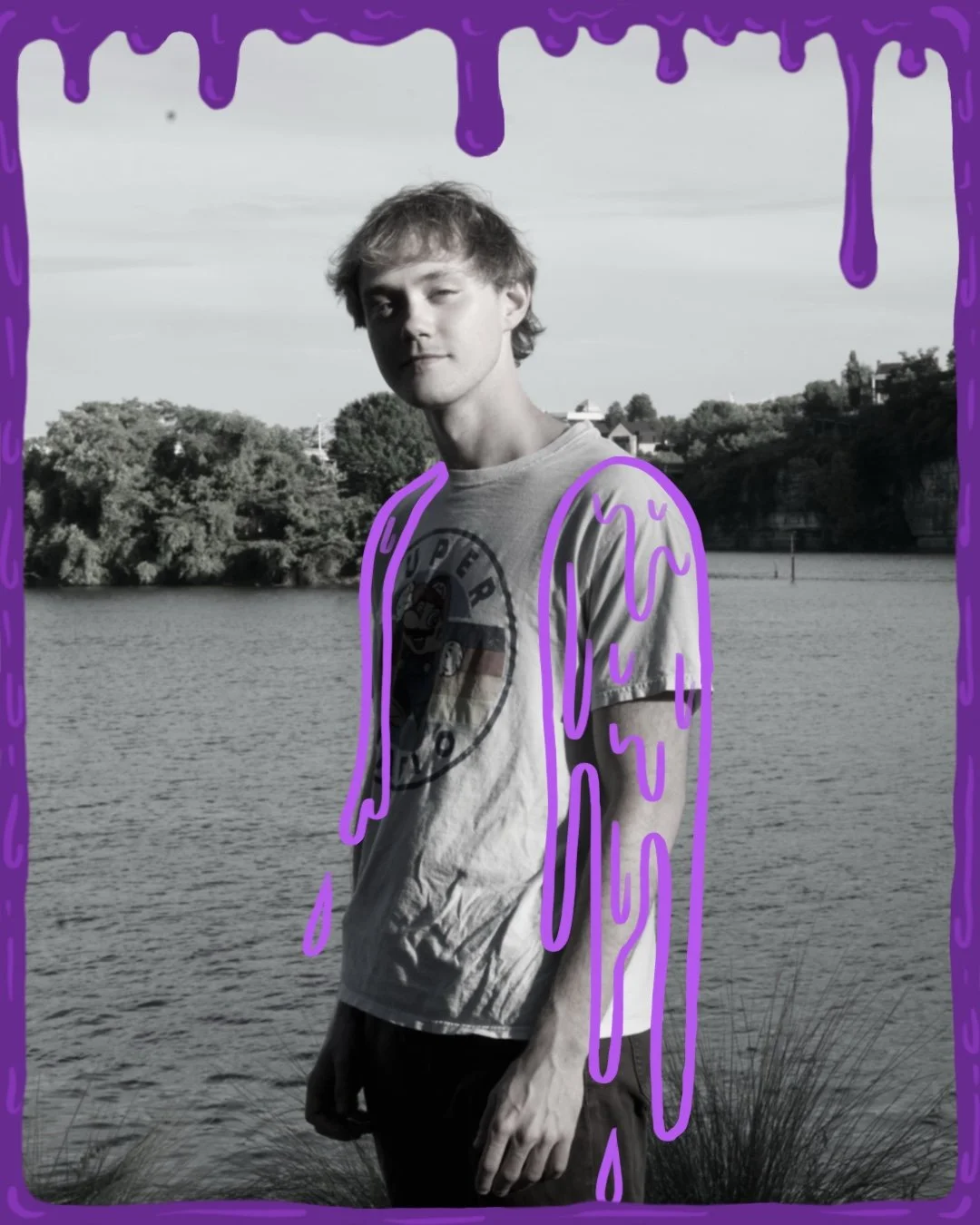
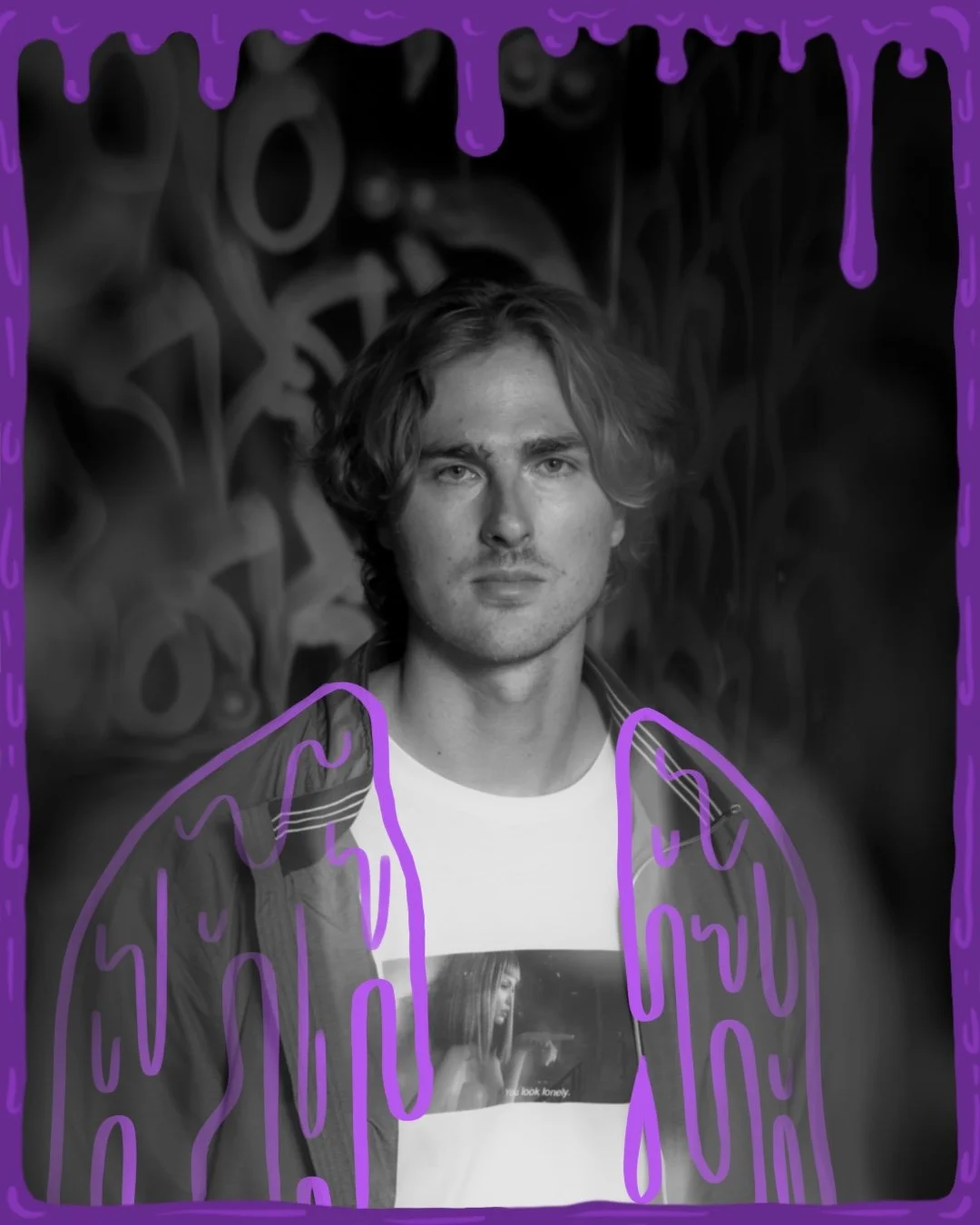
Artist Profile: Kudo Nyc
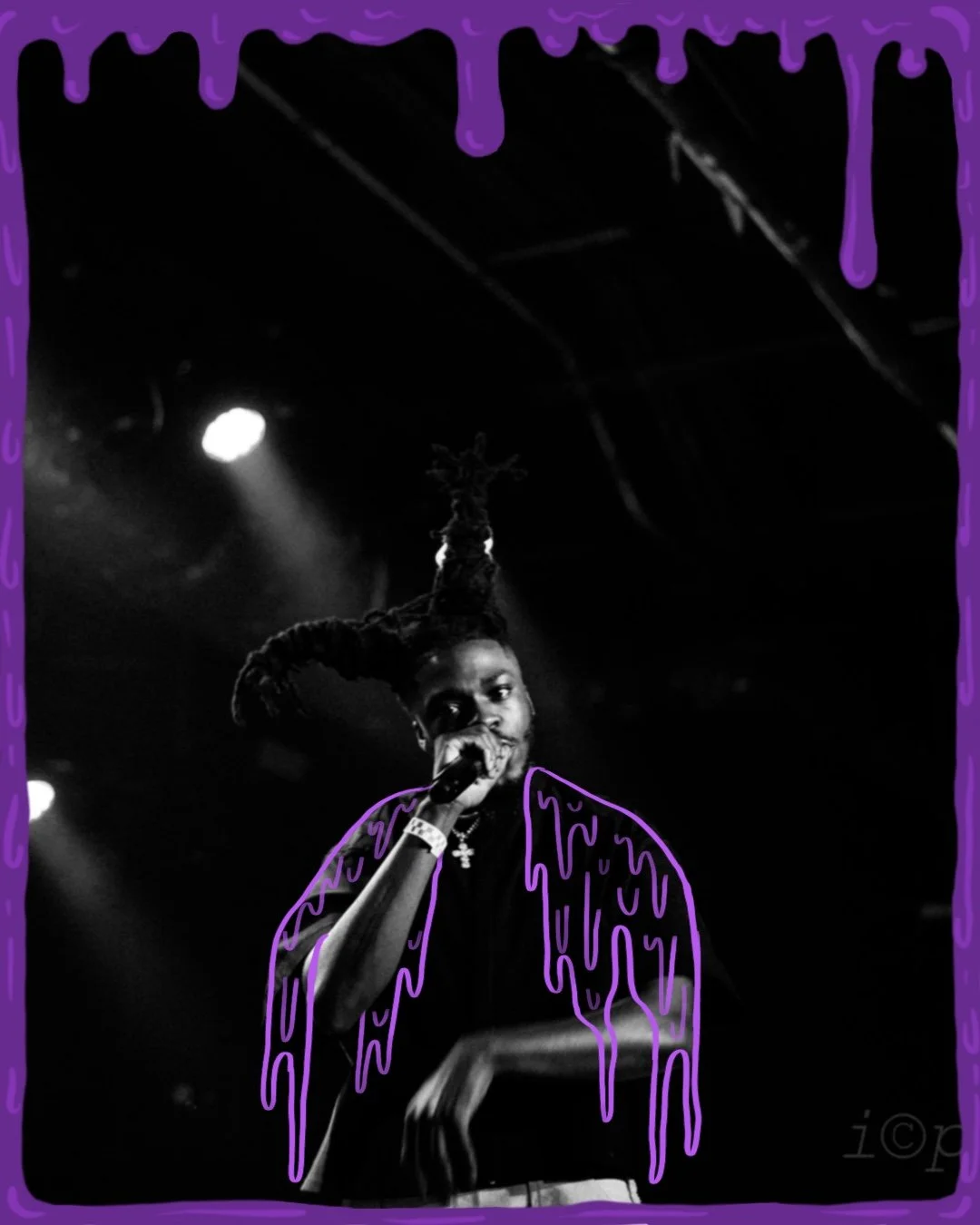
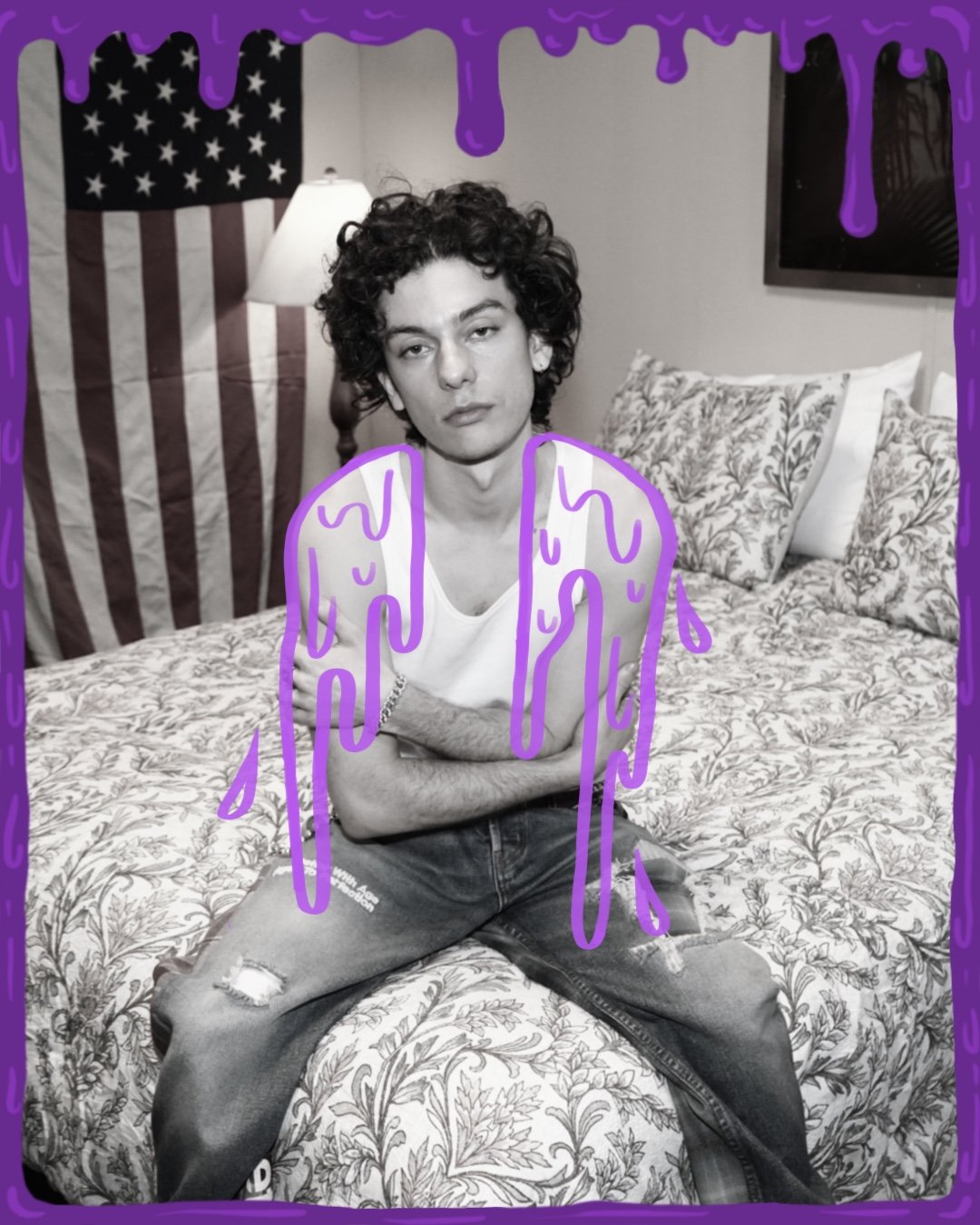
Kudo Nyc, the rapper and producer from Brooklyn, has found his personal voice and expression through the genre of hip-hop and, with his collective BLAK NOMADS, has blossomed into a multi-disciplinary artist, making sonic waves across the East Coast.
As a child with West African and Haitian roots, Kudo was exposed to a variety of ancestral sounds. Both his mother and father were drummers and dancers who specialized in African-rooted music, and Kudo grew up hearing the various Caribbean and African artists that permeated his parents’ musical scope.
As a middle schooler, Kudo began making DJ mixes, capitalizing upon the popular double tap dance scene of the time and spinning his songs at parties. However, this was a short-lived pursuit, as his brother quickly convinced him to begin making hip-hop beats instead that he could rap over.
Influenced by Nas, mixtape-era J. Cole, and N.W.A, Kudo began producing, using his brother’s wisdom to help him become more advanced in his soundscapes.
“I’ve always inputted that soundscape-y vibe and that grand sound from Nas' best songs or N.W.A.'s best songs or Wu-Tang's; just the environment of their music really inspired me. I only wanted to do things if it was grandiose, and my brother, he was very patient with me and I was very patient with him. We went for the biggest sound that we could achieve.”
However, shortly after gaining his chops at hip-hop production, Kudo moved to Baltimore with his father, where he was forced to find a new scene entirely to integrate himself into. Luckily, at the Baltimore School for the Arts, Kudo discovered a set of like-minded artists: ones that viewed rap as a unique means of expression and the creative process as an inherently transitory state.
Moreover, his experiences at the Peabody Conservatory in Baltimore, where he was able to study West African percussion, further diversified his musical horizons and introduced him to even more potential collaborators.
Yet, it was the forming of BLAK NOMADS, a collective that spawned from his friend group at Baltimore School for the Arts, that truly allowed him to pursue his artistic vision for the first time.
“I was couch surfing in high school with my musical friends up until I graduated and eventually got my own spot, but it was through that I found my collective… To this day, the dopest producers, the dopest artists, dancers that I know make up the collective, and it was really that that influenced my grungy side… It allowed me to have a purpose with my voice and become a vessel through the experiences I was going through.”
His first tracks, from the flute-driven “Bodega” to the experimental “Amistad”, bear the marks of his experiences within the context of his collaborations within the collective, unpacking dense emotional dynamics within the tightly-bound rhythms and grandiose instrumentation of his soundscapes.
In that time, he also learned to conceptualize and direct his own music videos, pairing stunning visuals with the driven manifestations of his own tracks.
Now, as Kudo returns to NYC after almost a decade, he plans to continue work with his collective but, at the same time, take his homecoming as an opportunity to start fresh in a scene, diving back into New York wielding the immense talent he has expressed over the past decade.
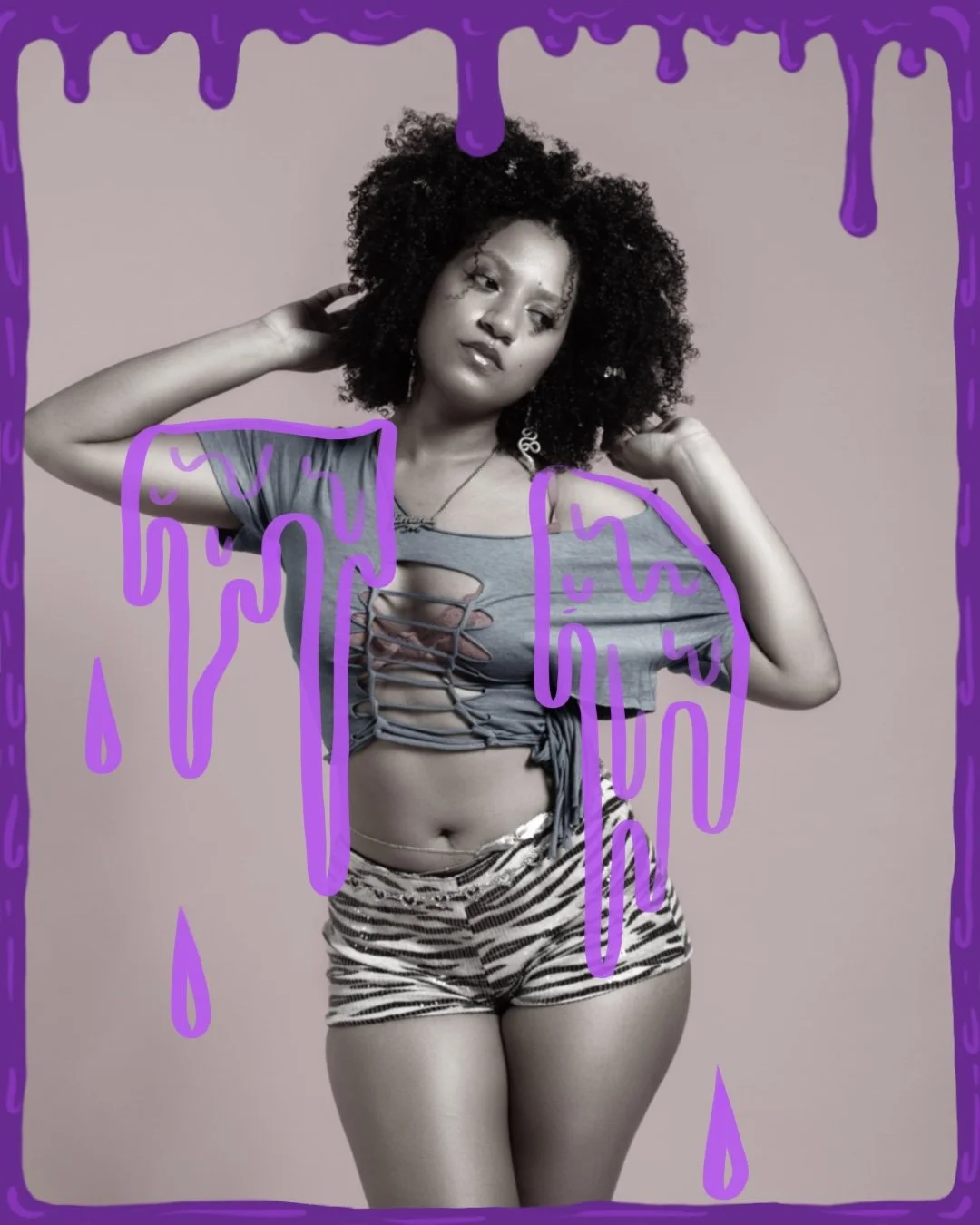
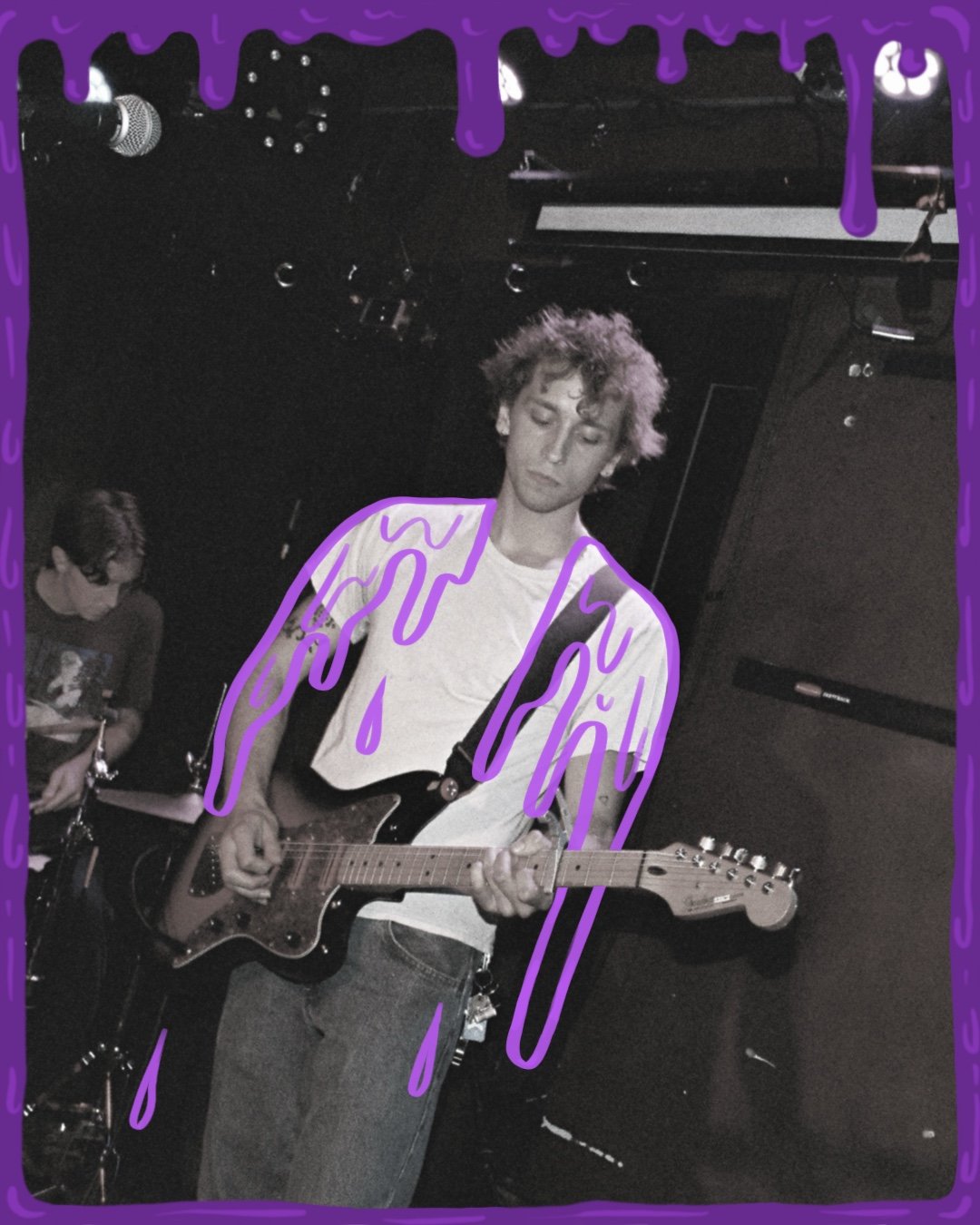
Although Dirt Buyer originated as simply another foray in the playful experimentations of founders Joe Sutkowski and Ruben Radlauer, it quickly took on a life of its own, serving as an outlet for the constant musical energy and slowcore-tinged riffs the pair exuded. But for Sutkowski particularly, the band (and the release of Dirt Buyer III) have become a sort of baseline— one that, as he exits a long-standing battle with addiction, represents a goal of a comfortable and intimate creative space to return to.
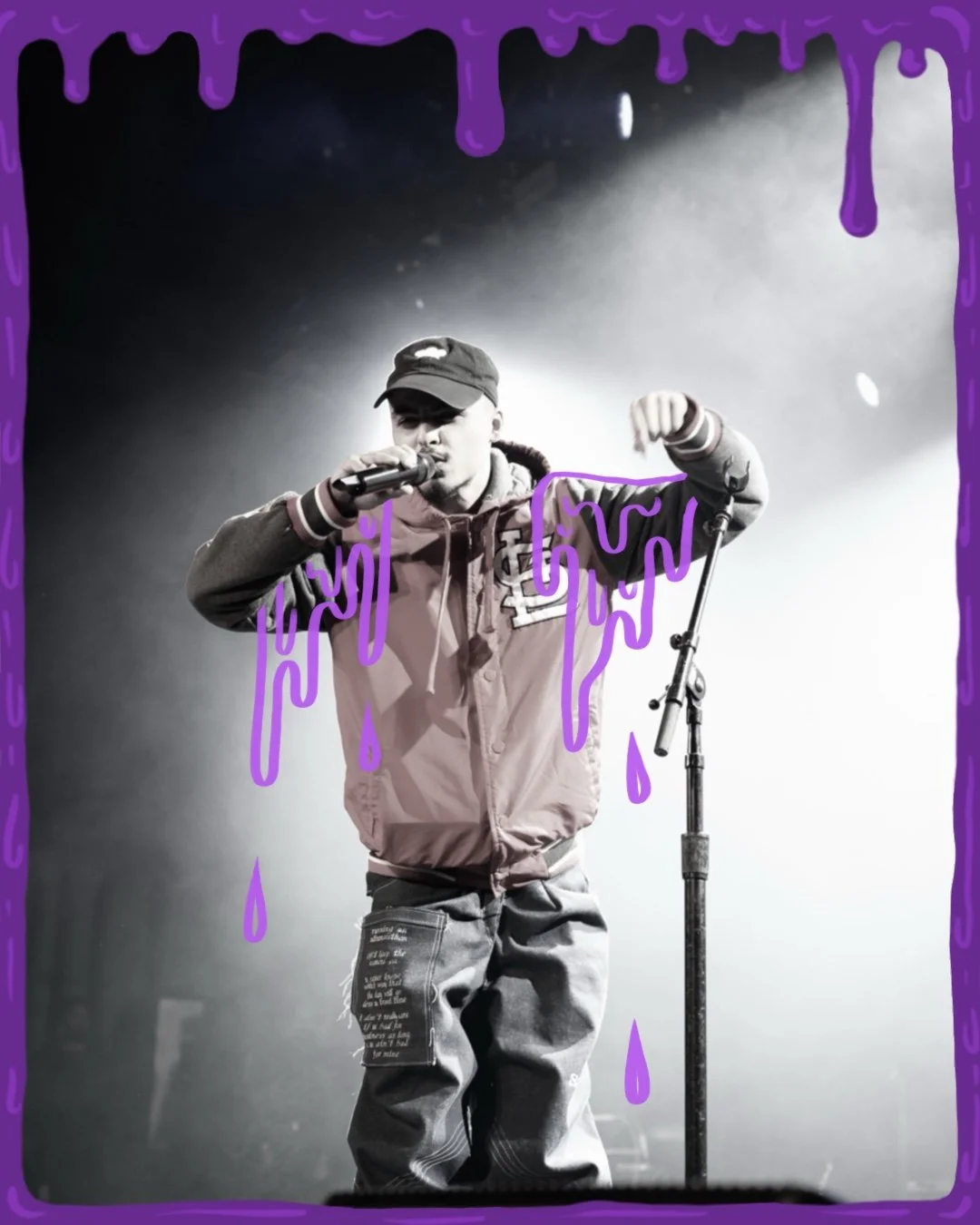
From the time he was first immersed in his brother’s rotation of southern hip-hop, NY-born producer and rapper Radicule. knew that, in some shape or form, he wanted to be involved in the direct thematic delivery and pure artistry those rappers exhibited. In the years since, his style has taken massive leaps and turns, but he and his central creative intention have remained intact.
Iguana Death Cult came to life as the garage-punk passion project of four teenage friends, and it has seen its fair share of transformations over the roughly 12 years since its inception. But their newest record, Guns Out, represents more than just a sonic evolution for the Rotterdam-based band. After two of the band’s original members made the difficult decision to move on from the project, Guns Out is a triumphant and searing continuation of the psychedelic and funk-rooted influences that defined their earliest efforts.
best dressed ghost, the garage and surf-inspired punk band from New Jersey, has taken a leap of artistic confidence in the release of its second record, Let’s Go Home, in March. When tracing the creative threads through the trails of their first record, however, a singular characteristic of the band’s work becomes clear— all four members possess a special sort of creative unison, elevated by the sheer charisma and energy that percolates not only through frontwoman Stef Leo’s personality-laden vocals but also through the band’s relentless willingness to adapt to the diverse vibrancies that each track demands.
Ovven, the solo project of Dallas Ugly guitarist and touring virtuoso Owen Burton, came to life in February with the release of Gnawing At The Cord, Burton’s debut solo album. But the foundations of Ovven’s sound, which differ starkly from the softer Americana that composes much of his body of work, trace back to his childhood in Chicago— they are, in a word, utterly natural to Burton’s sonic vocabulary.
Sunsick Daisy, the Adelaide-based, shoegaze and dream-pop influenced rock band, was originally formed from the teenage creative yearnings of its founding members, Kane Gabell and Sarah Grainger. But it has since blossomed into an energetic and surprisingly free affair– one that is capable of achieving the rare balancing act between a continuously evolving sound and a central sonic imprint and identity.
Every time ladybug, the Massachusetts-based dream-pop and shoegaze-tinged indie artist takes up her improvisational songwriting process, it is the years of musical intrigue and the yearning for creative expression that truly flows forth through her words— a flood of suppressed emotions and untapped creative maturation that is abundantly evident not only in each of her hypnotic and varied singles but also across her collaborations, including the 2025 EP “live from the smoke room”.
Fai Laci, the Boston-based alternative rock band, has come a long way from its foundations in the collaborative spirit and self-taught musings of vocalist and founder Luke Faillaci. What once started as a solo affair, strung together through recordings created in his college dorm room and at his friends’ apartments across campus, has now become a fully-blossomed project— and the release of their debut album, Elephant in the Room, will serve as the next foothold in their energetic and diverse sound.
Ghost Lovers, the Phoenix-based indie rock band fronted by 19-year-old guitarist and songwriter Quinn Edgar, has packaged their relatable and infectious energy into their self-titled debut album, which was self-released in late February. In its mirrored mode of storytelling, it conveys a tale of the rawness of love and loss– leaning deeply into the undeniably abrasive and uncomfortable aspects– it is a strong representation of the unique charisma the band possesses and projects outward both on stage and in their recorded output.
For Somni, the Los Angeles-based indie-electronic artist and producer, his creative pursuits have always been led by a sort of gravitational pull— he’s largely explored and expressed himself in the sonic territories that have felt most appealing to his artistic tendencies. But his newest project, The Cost of Living, takes a full plunge into the songwriting aspect of his craft that, while ever-present, has long been hidden behind his intricate layers of electronic production.
Cumulus Frisbee, the Pennsylvania-based electronic jazz artist, is more than familiar with stretching the boundaries of his own creative approach, facing down new technical and artistic frontiers with a limitless joy and intentionality that renders each of his tracks deeply intriguing creations in and of themselves.
For Black Beach, the Boston-based post-punk and noise rock band, their ability to bend the lines between genres (and shift sounds between projects) is only a natural result of the creative chemistry they’ve steadily built since their time spent jamming as teenagers in Massachusetts basements. Their sound, built initially from a vague idea of a “doom-y surf rock”, has taken on a plethora of forms over the years, with their recent project Mail Thief assuming a tighter, more regimented and intentional approach over the soaring guitars and direct lyricism that is their trademark.
Hue Hinton, the Philadelphia-born producer and singer-songwriter, has been entranced by the feeling of creative productivity since he was a child playing piano on his father’s lap. Between his two formally-issued EPs, Out Loud and Starfish, this fact is more than clear. A distinct bent towards experimentation and an abundant adaptability peek their heads through every track of his young discography and, in many ways, are the defining features of Hinton’s infectious and tantalizing body of work.
Ndeh Ntumazah, the Maryland-born, New York-based experimental rock artist, has recently brought his sound full circle after years of experimentations, finding a home in an electronic-influenced, fuzzed-out, and guitar-driven sound that encapsulates, in many ways, the whole of his influences– from the African psych rock his father played throughout his childhood to the dubstep and EDM soundscapes that shaped his adolescence.
For Emma Harner, the Kansas-born “math-folk” guitarist and singer-songwriter, the technical aspects of music-making have never truly been her primary pursuit. Although a quick look through her social media will reveal a number of impressive feats of finger-picking and odd-time-signature experiments, spurred by her training as a classical guitarist at the Berklee College of Music, it is the depth of her sound— and its sheer capacity for carrying piercing emotion in its sonic breast— that truly separates Harner as an artist.
Molto Ohm, the experimental electronic project of musician Matteo Liberatore, now has two projects under its belt, and with the release of Reality Pills in late February, he has furthered the unmoored sound and cultural commentary that he envisioned when he began work under the moniker. With over a decade of experience in the experimental and improvisational music scenes, the Brooklyn-based artist is certain to continue expanding the creative dialectic and freedom of energy that Molto Ohm is founded upon.
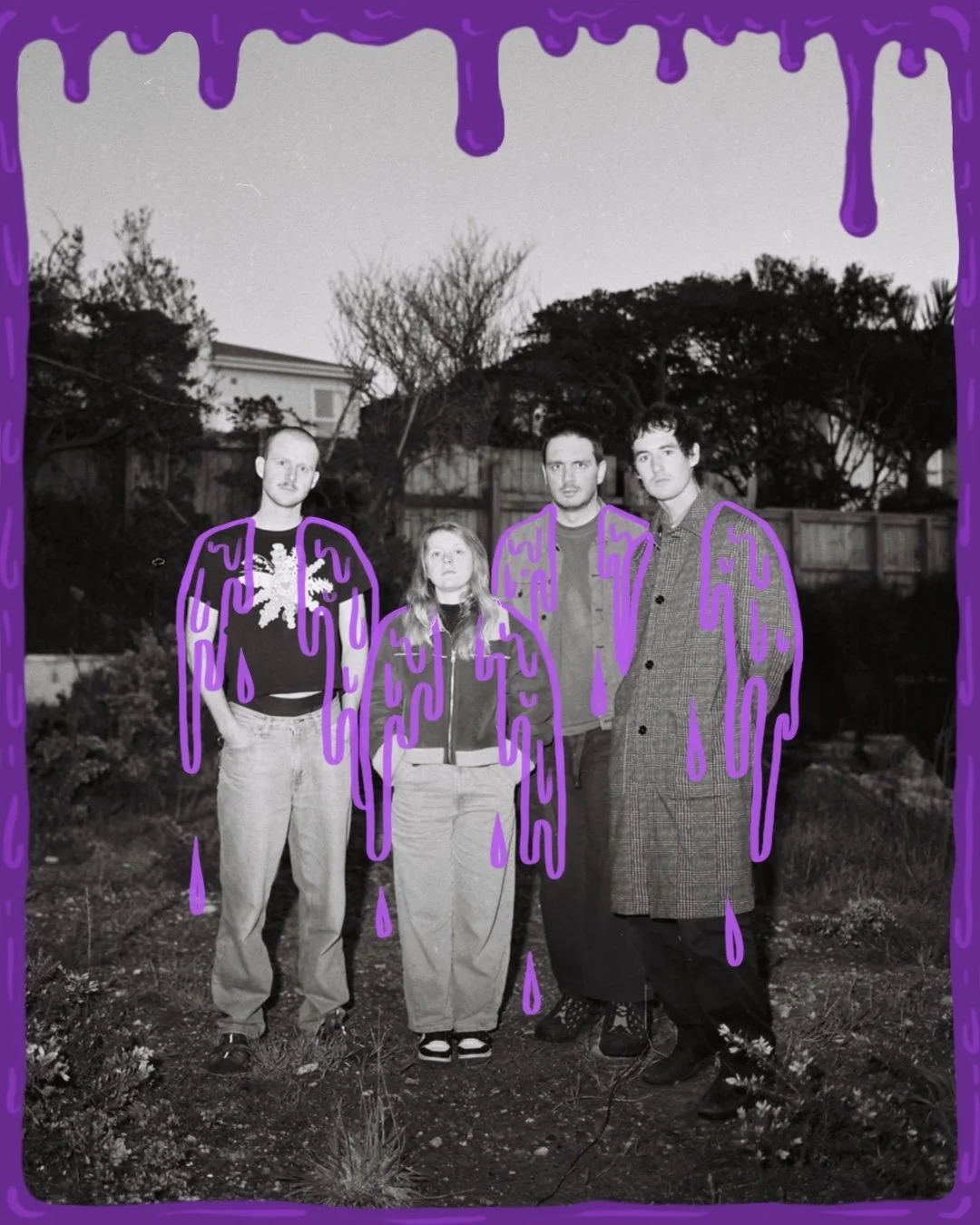
Vivian, the Brooklyn-based shoegaze band, operates with a certain intentionality and clarity of sound that is informed not only by frontwoman Christine Bee’s years of experience in the New York rock scene but also by the unique and interminable contributions of each of her bandmates– Liam McCarthy on bass, Michael Ruocco on Drums, and Claire Collins on vocals and guitar. Their latest EP, “Third Eye Demos”, serves as an indication of the distinctiveness of the sounds to come on their debut LP. They combine a tasteful angst with a lyrical earnestness– a clear desire for loudness with a deeply-rooted sense of sonic purpose– and the result is a sound that is undeniably Vivian in its essence.
Nolan the Ninja, the storied Detroit-raised and Chicago-based rapper and producer, has been churning out densely lyrical tracks and entrancing instrumentals for over a decade. Now, as he reflects back on his career, and pushes the echelon even further with recent collaborations with Open Mike Eagle and the continued expansion of his own catalog, he knows that his unique creative imprint has set the foundation for everything he’s accomplished.