
tiarn — Hanna Stretton
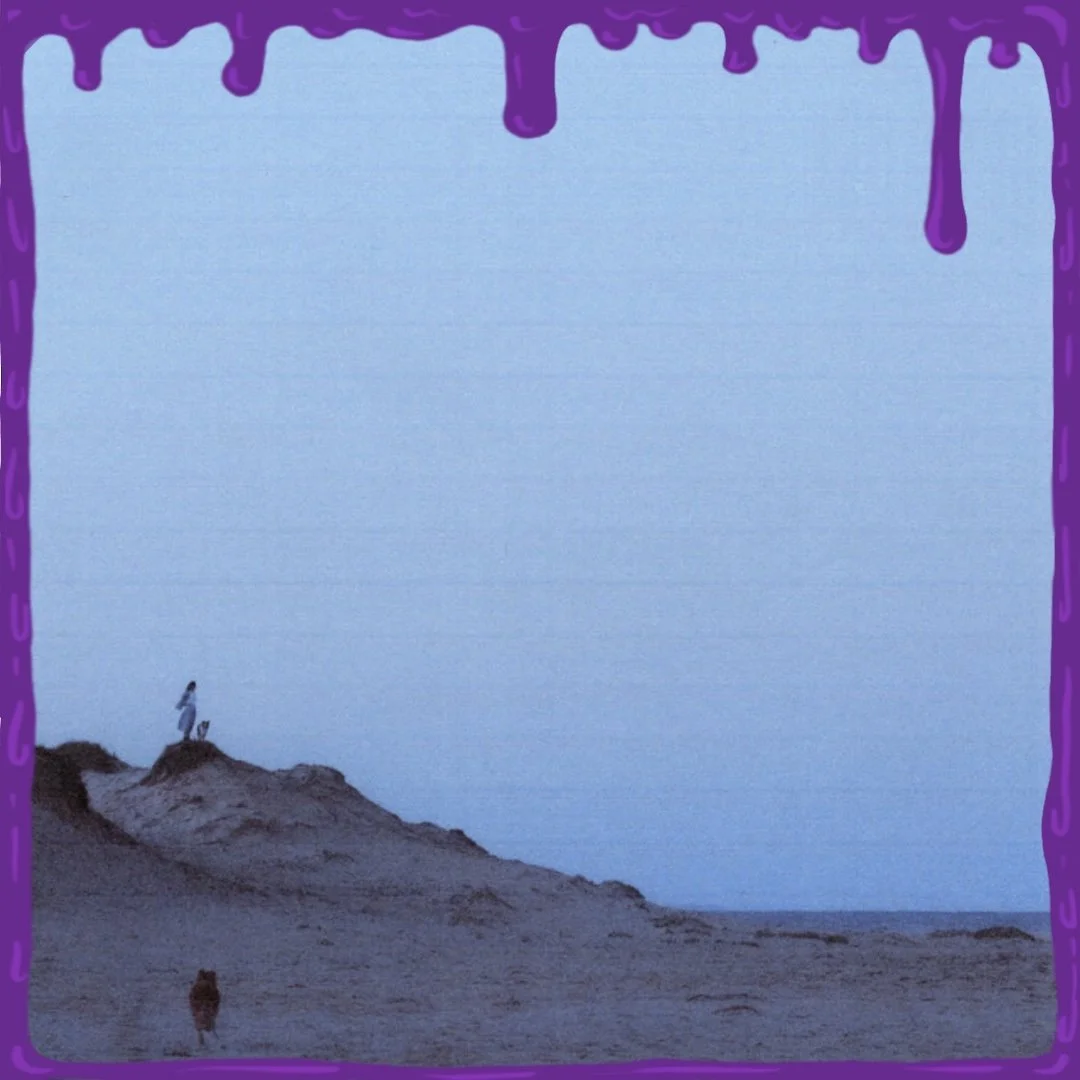
tiarn — Hanna Stretton
What does it feel like to be caught in a dream state?
I mean, it’s something we can describe in an abstract sense. There’s a haziness to it, a simultaneous sense of reality and unreality. In that strange, semi-consciousness, the mind wanders in its own affairs, injecting small snippets of memories and reconfigurations of lived experiences into a present, more pressing sense of awareness.
But in the end, we’re only able to reach back and grasp that state of being through the vehicle that carries us while we’re immersed in it— memory. A dream begins to slip away as soon as it’s over, and if we’re lucky, we’re able to hang onto a few trails, a small number of details, or perhaps a wisp of an emotion.
It’s a question that stretches across Hanna Stretton’s sophomore effort tiarn.
In a recent interview with Nashville-based enigmatic creative Wadaness, the subject of hypnagogic pop cropped up in regards to some of his future genre-bending efforts. I was certainly familiar with the genre, having enjoyed the recent efforts of Chanel Beads and Yves Tumor, but never had I heard the appeal of the genre described so succinctly.
Wrapped in those tape effects and lo-fi atmosphere is an intentional sleight of hand. While the tones and synth textures come rushing forth, you’re meant to feel like you’re reaching back towards a hazy memory (or a dream state), struggling to get a concrete grasp on a nostalgic object.
Pop is an excellent vehicle for this aim. The relatively straightforward and sooth-saying melodies of the genre, combined with the ease of implementing effects and delving into the lo-fi side of things, leave it only slightly left of center of the direction that pop music has taken more generally over the past few years.
But what about folk music? Can sparse instrumentation and minimal arrangements alone accomplish this sort of emotional stasis?
Not necessarily. But Stretton’s subdued vocals and sound-collage efforts are so utterly mesmerizing that, in their seemingly unfocused and scattered immensity, it’s almost impossible not to be swept along in its waves.
tiarn is a difficult project to describe. None of the tracks, on their own, hold some hidden meaning or narrative thread. It is a project about home— but not the conscious or even a particular memory as such. There is warmth, and there is a constant sense of forward motion in Stretton’s soft, beating and brushing rhythms. There are voices creeping up from the deep abyss of silence that is the pulsating heart of each track, but there are also swelling orchestras of sound hiding around each bend.
At times, the project sounds like how one would imagine The Velvet Underground’s early experimentations on degraded film— with Lou Reed and John Cale banging away at obscure ballads with the fervor and energy of hungry dogs.
The Fleet Foxes-esque, marching urgency on tracks like “As It Was Before This” and “Stay Involved” cements that impression.
But more often than not, tiarn is inescapably gentle in its machinations. The gentle drone on the opener, “Nojiri 1993,” does not aim to overpower— it is not unsettling, but it sheds light like soft sunbeams resting on a dew-skimmed plain at dawn. “Salt,” with its sober melodies and minimalized instrumentation, thrusts itself forward like the beating of oars against a calm, crimson sea. Tracks like “Forest to the Sea,” meanwhile, function as figurative exhales— a release of whatever tension has been built into the project in preparation for its final swell.
tiarn subsides in a sense of dreaminess, but not in an abstract one. It is a dream of home— not literally, but how it is remembered in our half-conscious state. Warm nights on the porch, the sound of open, lapping water, the call of voices and the operatic swells of late summer insect orchestras; these are things that we can attribute to Stretton’s ambient portrayal. But they are also qualities of a universally imagined past, and that is where tiarn truly lives.