

The first album on this list won’t come as much of a surprise. But outside of that, the month of October truly held some unexpected gems. From The Avalanches’ return to the long-form medium in No Bad Memories to the experimental wanderings of Marina Herlop and the ever-evolving Deerhoof—and even extending to some of the folk-adjacent ramblings of @’s and Greg Freeman’s new records, the past four weeks were absolutely packed with beautifully written songs, set to the backdrop of steadily falling leaves and finally being able to pull your collection of sweaters out of the back corner of the closet.
This list is packed with more ‘mainstream’ titles than usual, but I like to see that as a result of the pure strength of this month’s anticipated releases. Almost everything lived up to its expectations, and many of these projects far surpassed them.
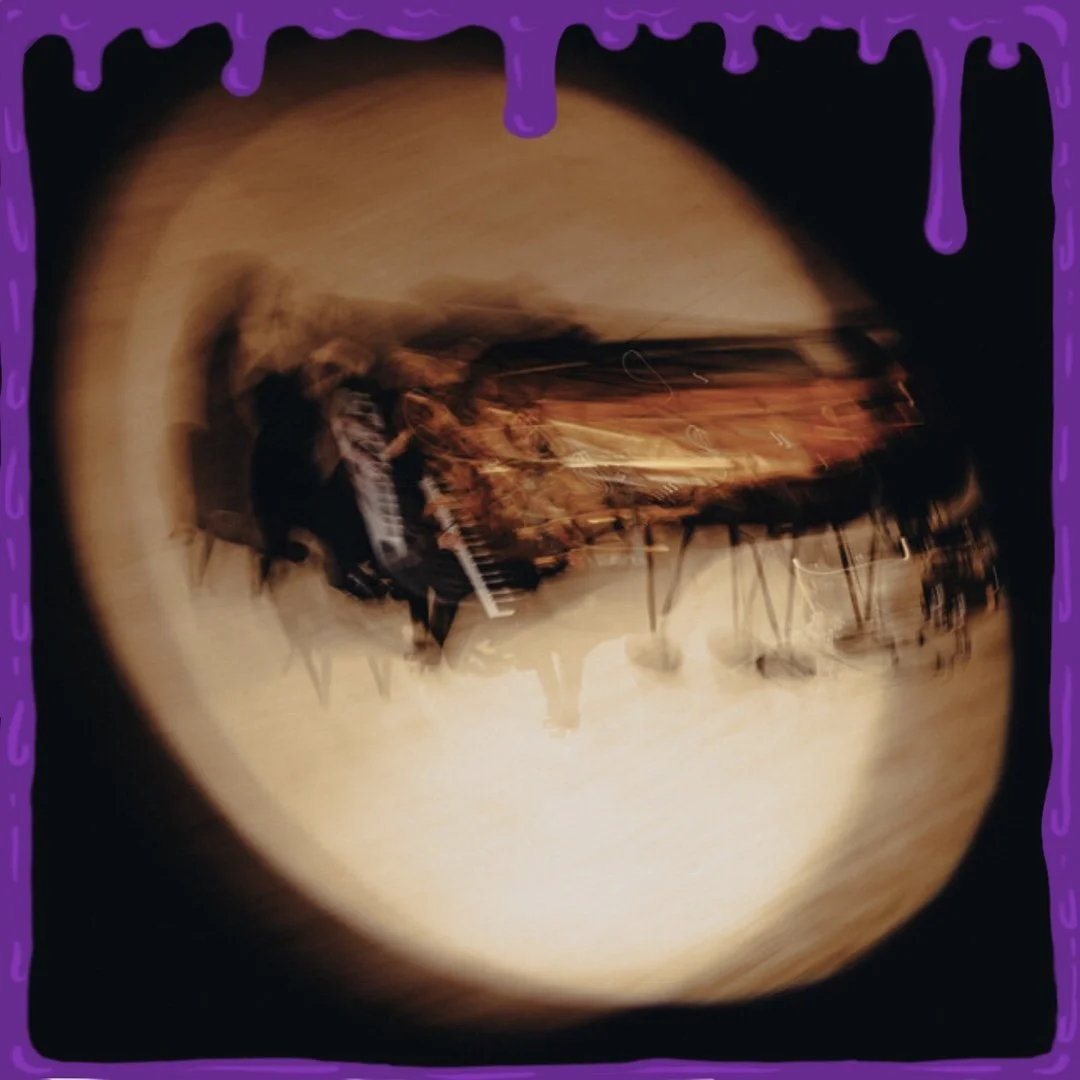
Live at carnegie hall — Cameron Winter
I wasn’t originally going to include this on the October list, let alone in the first spot, for one simple reason—what is there to say about this album that hasn’t already been spelled out ad nauseam on Substacks and Instagram posts over the past couple of weeks?
But there’s something in Cameron’s blocky piano strikings, in his oblique, segmented narrative swings, that’s inescapable here. His work with Geese leans continuously into an atmosphere of obsequious strangeness, but what we have here is a level of vulnerability and plain-faced artistic statement that you can’t simply gloss over with claims of “psyop” or “industry plant”. There’s nowhere for Winter to hide on this live effort, and he seems to be solemnly aware of that fact as he etches out a set of brilliantly written tracks.

no bad memories — The avalanches
Given that the connective tissue of The Avalanches’ sample-based collage work is, often, the wispy qualities of a memory, No Bad Memories is a fitting title for a work that crowns a discography now spanning well over two decades and hundreds of tracks. At turns invoking a jumping club atmosphere—and enlisting artists like Loaded Honey and Barry Can’t Swim in those efforts—and, at others, dipping down into the depths of the hypnagogic pop that serve as the backbone of their sound, The Avalanches carefully scrawl out their most spanning and ambitious work to date.
It’s easy to characterize an album as ‘posing’ a question—even if there’s no immediate answer at hand. No Bad Memories, though, is an assertion. Every single sonic turn on this project is virtually unimpeachable, resting with a glossy, Y2K sheen across a web of interconnected impressions.
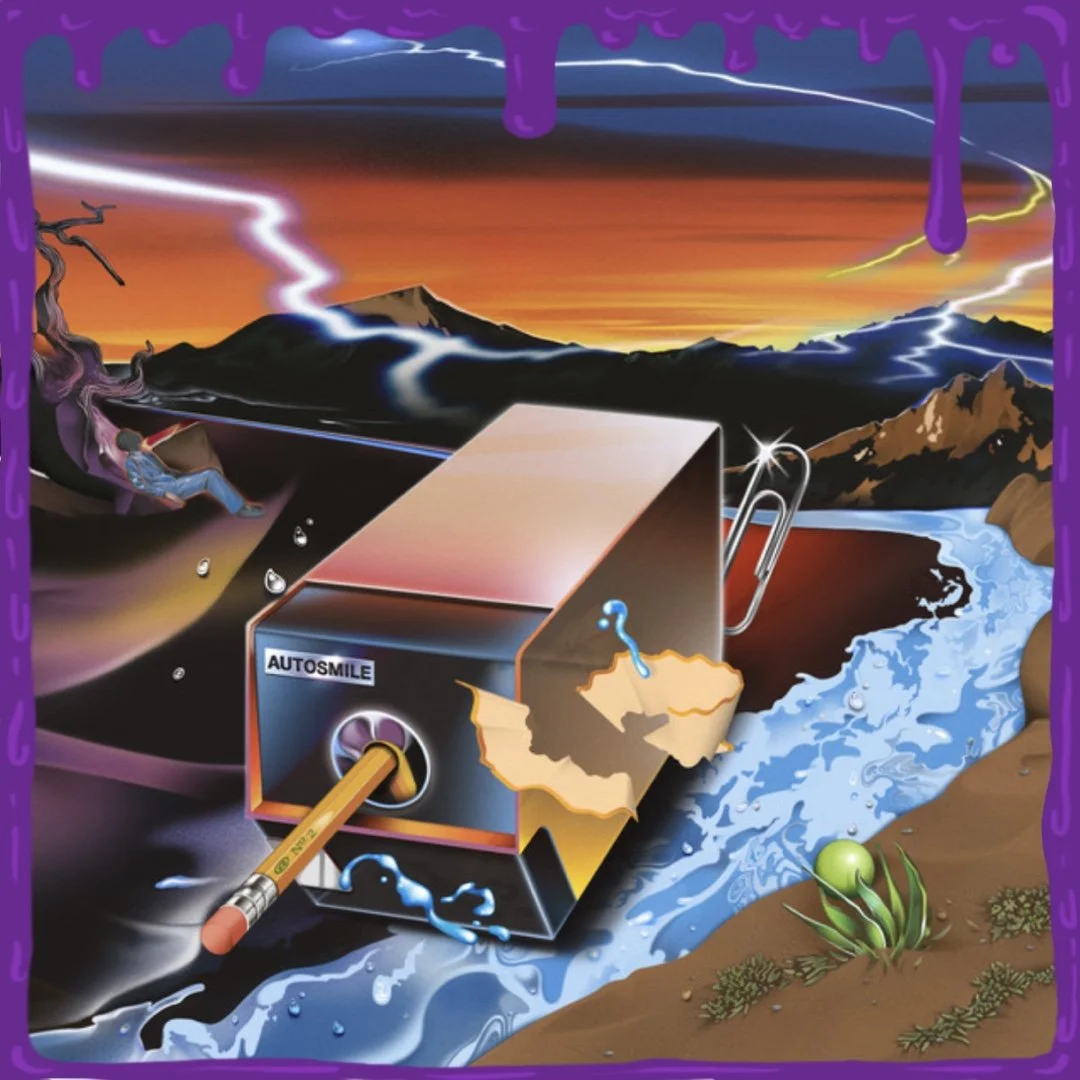
autosmile — @
If there is an emergent narrative theme across Autosmile, it expresses itself in sly glances and recurring tones more than it does pure lyrical cohesion. It is at times bitter, like on the staggering chorus of “Your Dog” or as Filipczak sings about repression (and euthanasia) on “Bird,” the album’s intro. But it is, in equal parts, placid and gently sweeping; “Amity,” the final track on the album, exudes a sense of forgiveness and release, and “Earthly Love” does the same…
Autosmile is not wholly decipherable, and it often feels like the heart of the album is resting, beautiful and pure, behind an only half-penetrable shroud. But it’s beautiful and heartwrenching enough that it has no need to be accessible, or even intelligible (although it certainly is, and it’s biting and witty at its most poignant moments).
Autosmile, in its intricate arrangements and free-falling melodic workings, simply provides something new with each successive listen.
Grasp it if you will, but try not to suffocate it.
Read our full review of Autosmile here.

Divine schism — Deerhoof
Most albums have various peaks over the course of 10 or 12 tracks. On Divine Schism, the marching, “White Rabbit”-esque opener “Sun Like It Hot” is the undeniable summit—everything, including the concept of a mutual searching between a mother and a daughter, that unfolds from there simply runs down from that track like a cascading rain shower.
The crux of this album is in its emotional release, coming to fruition with the driving rhythms of “Master Mademoiselle,” and Deerhoof’s ability to create unique landscapes and continuously stretch the boundaries of their sound is what makes it so intensely interesting in the process.
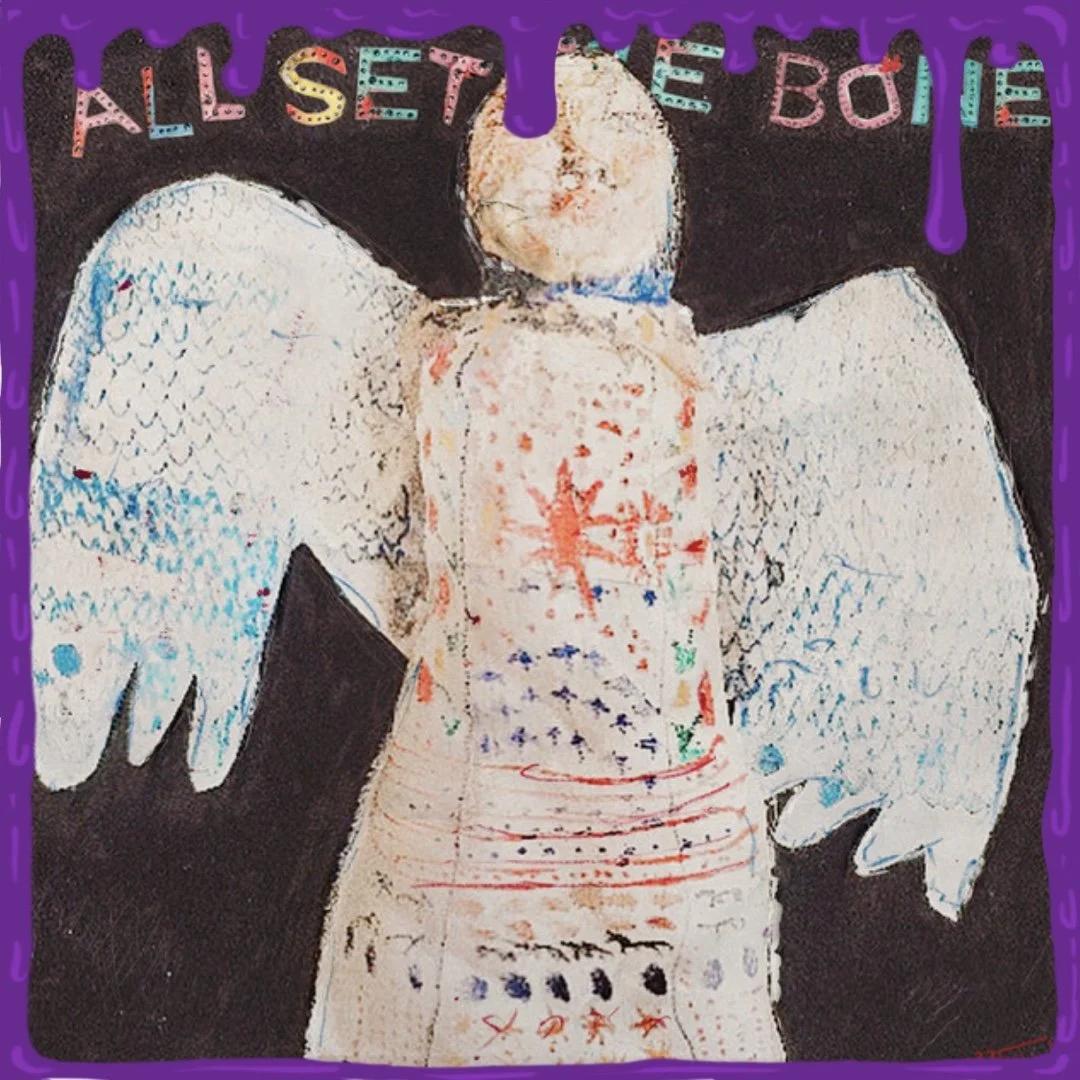
All Set The Bone — Greg freeman
Across the project, Freeman seems to reckon with a sense of apathy—in his own art, in the loosely-defined characters that populate his narratives, and in the settings themselves. The lines between narrative spurts are blurred, are at times even erased entirely, as we’re shuffled through a confluence of seemingly loosely-connected images, of quiet suffering, open skies, minimum-wage exploitation, gravel roads, lithographed T-shirts, stained movie theater carpets, splintered wood peeling off an old electrical pole.
It’s not a work that’s devoid of hope, and it’s certainly not an abstract reimagining of a singular narrative theme. On All Set The Bone, Freeman straddles an almost uncannily perfect line. The details of his images and his stories remain just unfocused enough to resist the temptation to get caught up in dissecting them, but everything else collides into enough of a cohesive form to make the whole thing distinctly, and bitingly, intelligible.
Read our full review of All Set The Bone here.

Citizens arrest — LUCY (Cooper b. handy)
On the surface, CITIZENS ARREST, like the volumes of tracks he’s amassed over the course of his work on the project, reads as a collection of demos. Handy moves just as quickly, and just as deftly, between a set of folk-inspired guitar ramblings, sparsely-rhythmed new wave tracks, and a series of indie instrumentals soaked in the hallmarks of cloud rap, as he ever has in his songwriting career…
They are sketches, but not in the sense that connotes unfinishedness. CITIZENS ARREST, and LUCY’s discography as a whole, simply rests in that in-between space, reflecting a constant beauty and an unending creative nerve in the midst of its ever-sprawling process. It seems as though Handy is never unwilling to try his hand—to fit a hook into an unorthodox sonic cranny or forgo a verse entirely where he sees fit—if the sound, and the idea itself, appeals to him as an addition to his growing collection of tracks.
Read our full review of CITIZENS ARREST here.
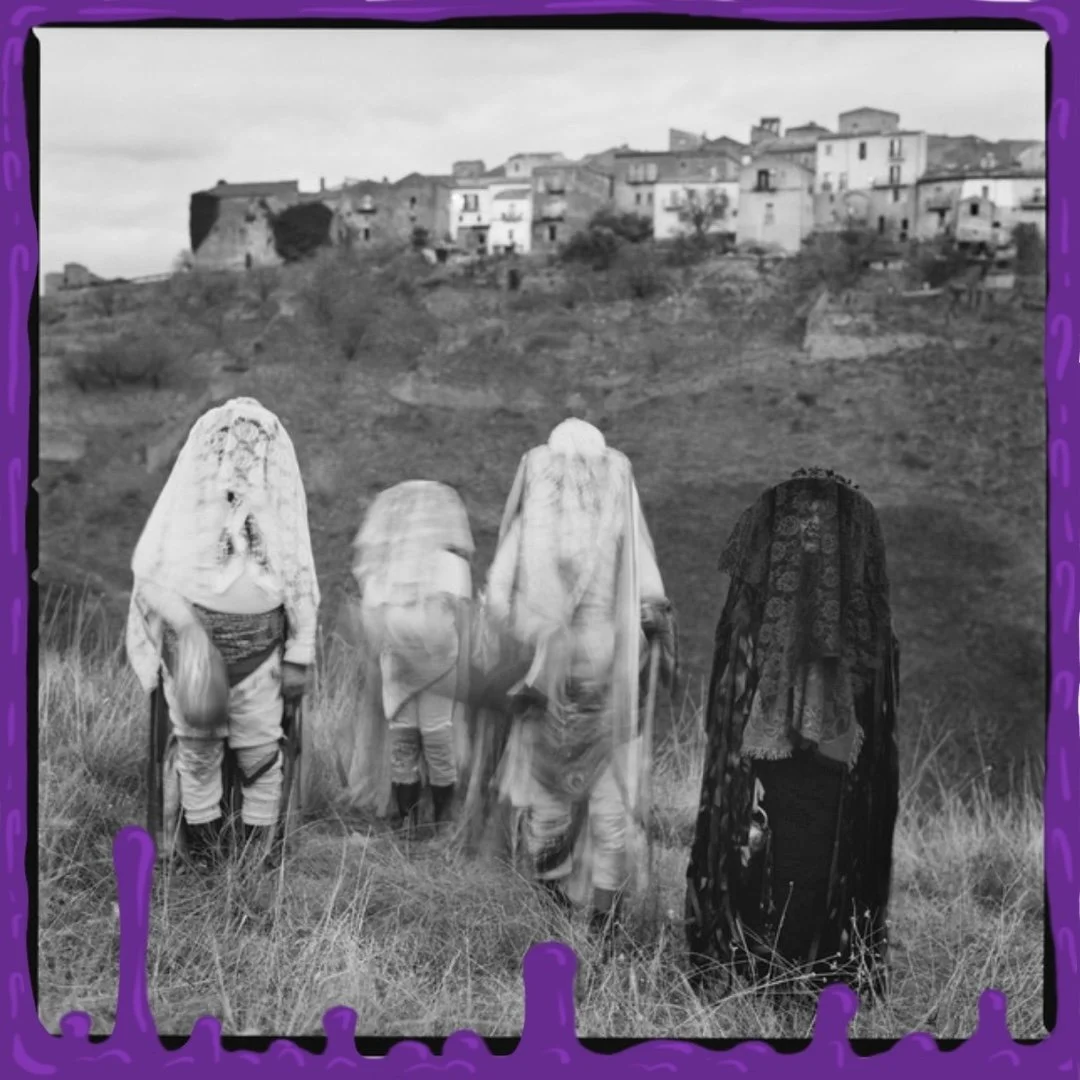
Basilikum — Holy tongue
Ambient or experimental projects are becoming a monthly hallmark on this list, and for good reason. Every time I gloss through the catalogue of recently released albums I keep each month, there’s something from those genres that inevitably catches my eye.
Basilikum, though, delivers on that initial glance beyond measure. It’s as wild as it is quietly reflective, pounding out jungle rhythms and chiming melodies with clarity and pure, psychedelic intention. It’s easy to get lost in the atmosphere here, but Holy Tongue does an excellent job directing the listener’s attention continuously to the pounding heart at the center of their project.

Stick Around For Tea — worldpeace DMT
As a series of compactly-constructed twee pop tracks, Stick Around For Tea is relatively unassuming on the surface. At the very least, it doesn’t demand too much from the listener upon a first skim.
But each track contains such depth instrumentally—compounding layers upon layers of combined electronic and acoustic glee—that the album quickly reveals itself as a multi-faceted being. Combined with the mordant half-seriousness with which Leon Finchman and Rowan Please allow their lyrical interplay to float out into that atmosphere, this is a clear advancement of the intricate and cohesive sound that Worldpeace DMT etched out on their first record.
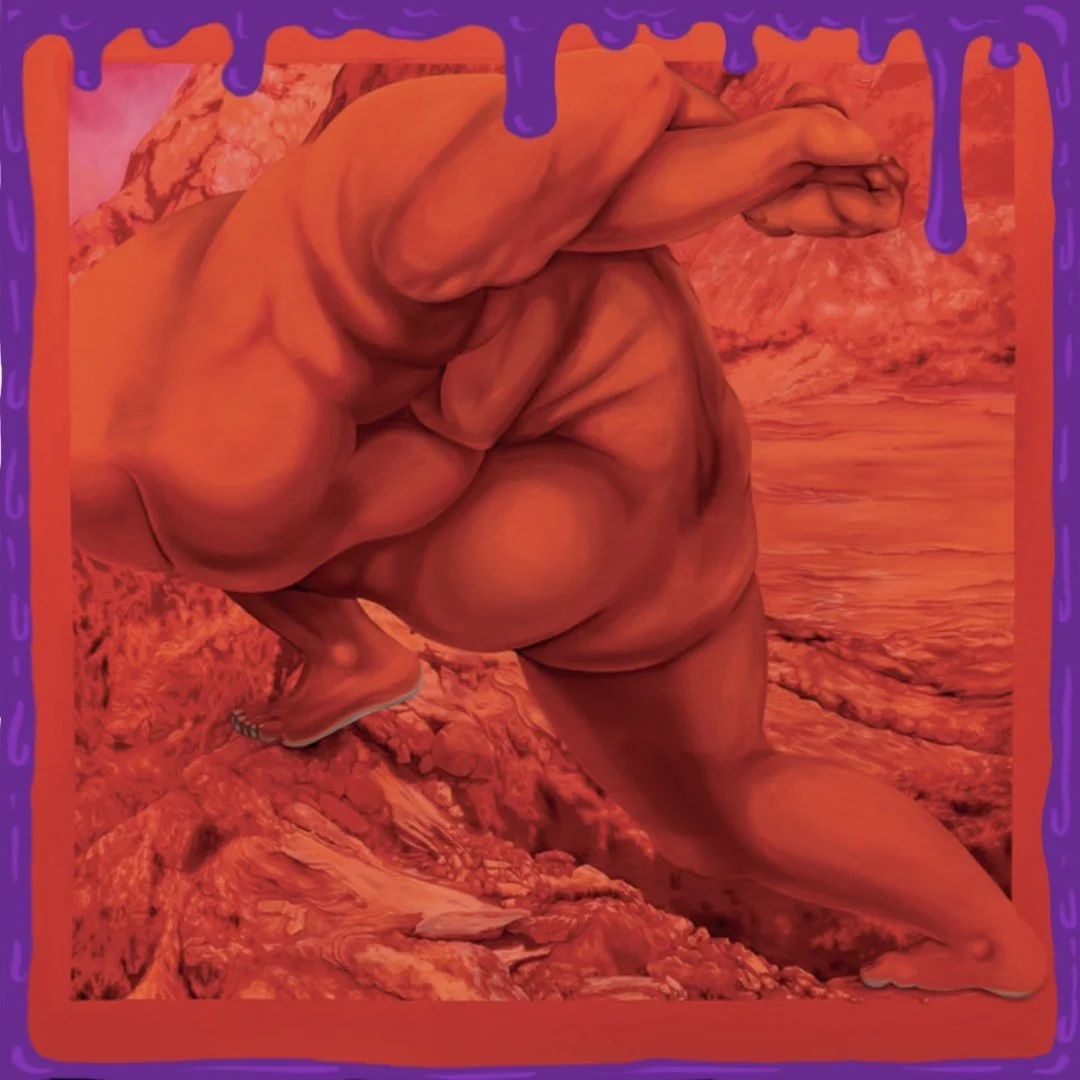
Dja Dja — Marina Herlop
Dja Dja, the fifth studio album from Catalan pianist and experimental music-maker Marina Herlop, comes cascading down in choral arrangements and cinematic landscapes, dispatches from the aether drawn out across melodramatic hills and plaintive valleys.
It’s hard to pinpoint any one point on the album that’s more captivating than the next, because it all works together as a cohesive, interconnected body—one nervous system, electrodes firing, sprawled in a dying dusk.
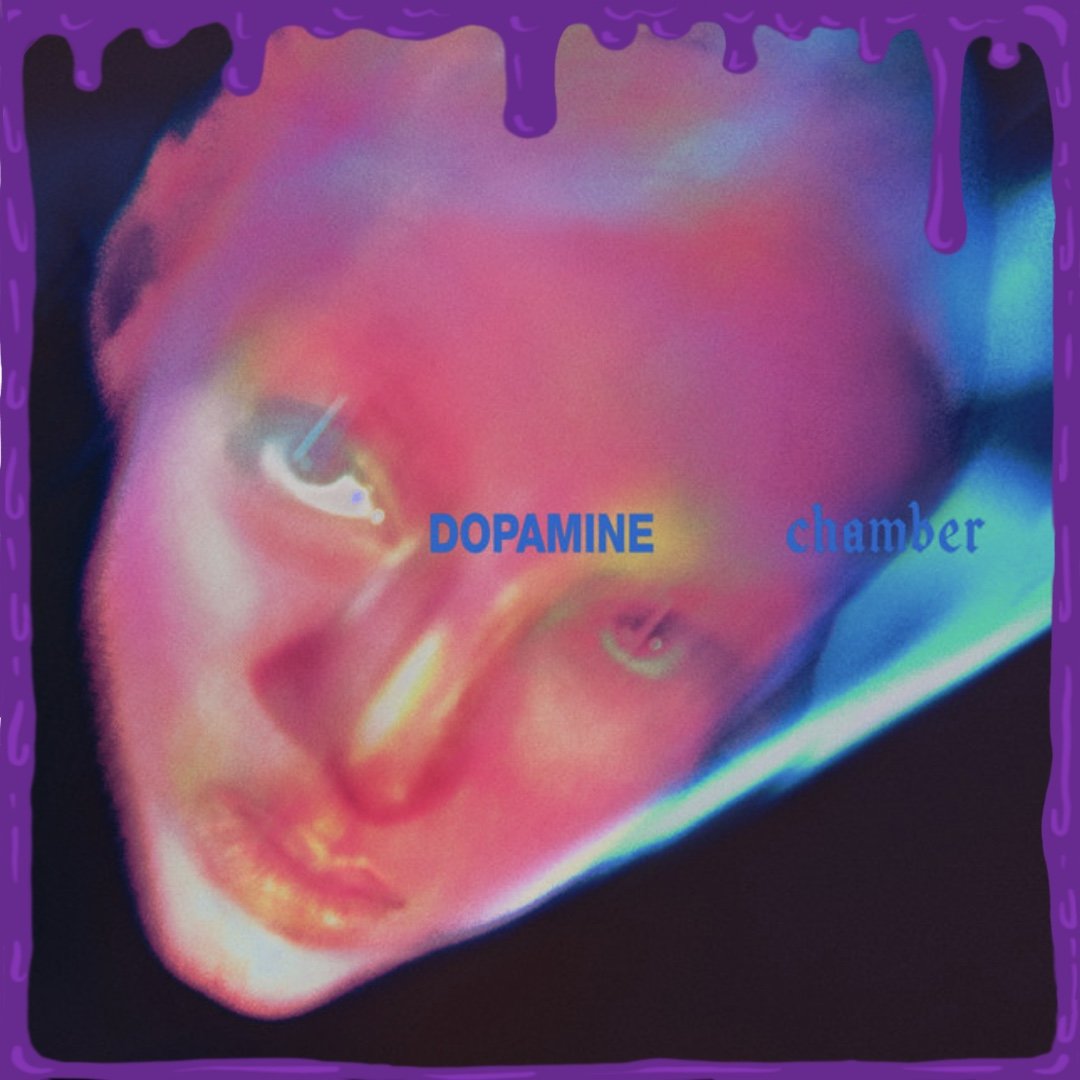
Dopamine Chamber — Fontaines D.C.
The band declares a dopamine chamber as a means to “kill the pain” in “One Man,” but the album hardly runs or hides from pain. Rather, it zooms into pain, and concludes that it’s a key part of what makes life beautiful.
On “Where Is Gone,” we hear a moment described as “another show to hurt you and make you feel alive.” And what is Dopamine Chamber, or any album of its caliber, if not just that? As listeners, we consume this record as a “show” of our own, living through the experience from an even further step removed. We view Fontaines D.C.’s motion film of life, just as we are characters within it. The events that befall us as characters can cause us pain. But that pain itself is the Dopamine Chamber for us as viewers– no drink, drug, or movie can better make us feel alive.
Read our full review of Dopamine Chamber here . (Words by Kyle Driscoll)