MELT Exclusive: True Green
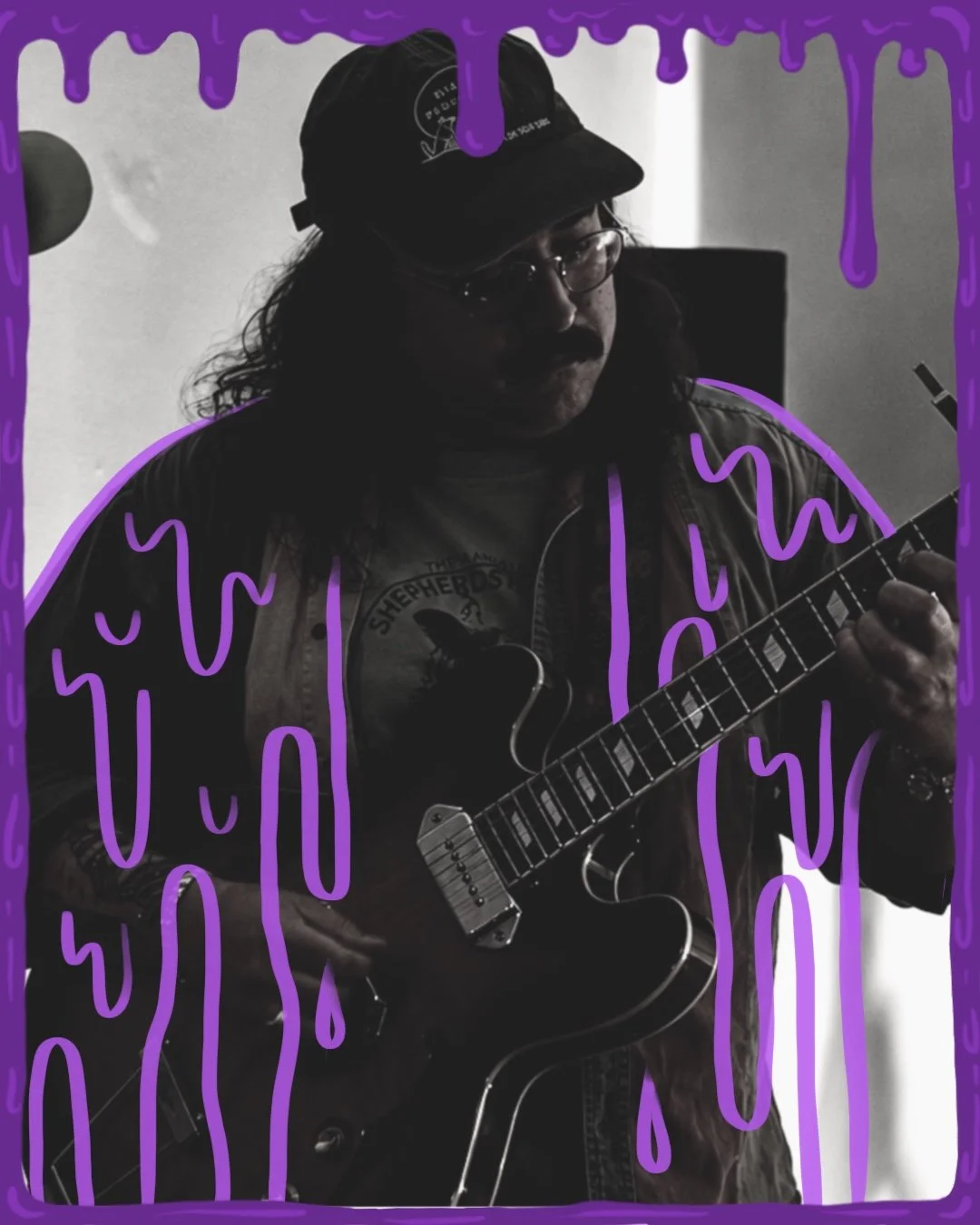
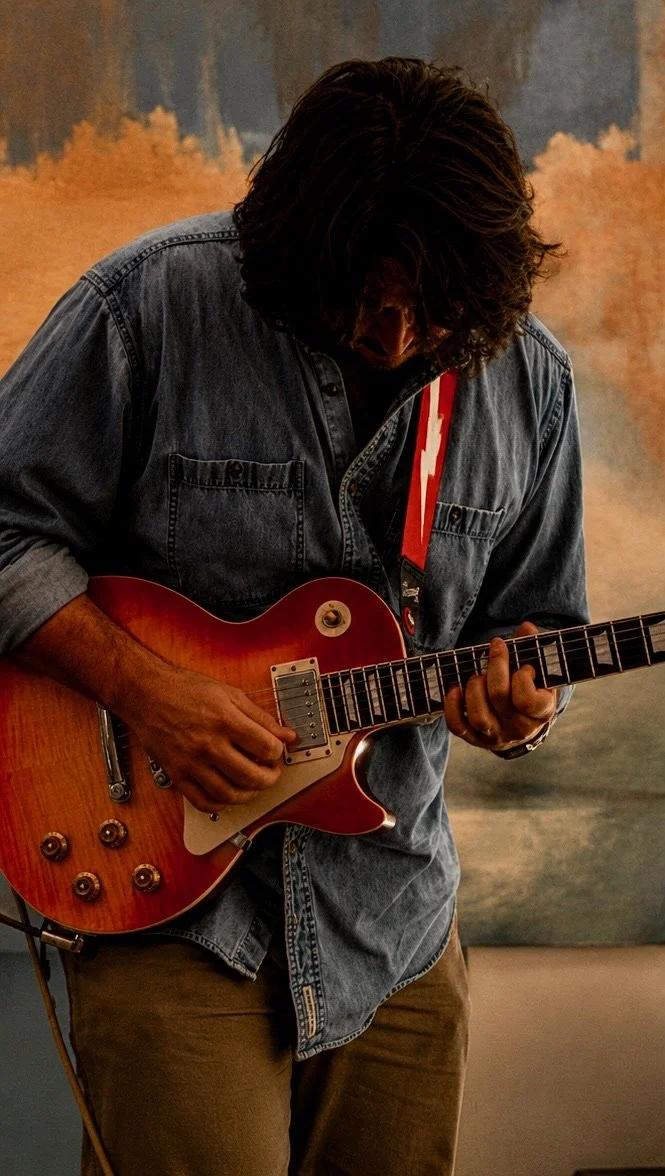
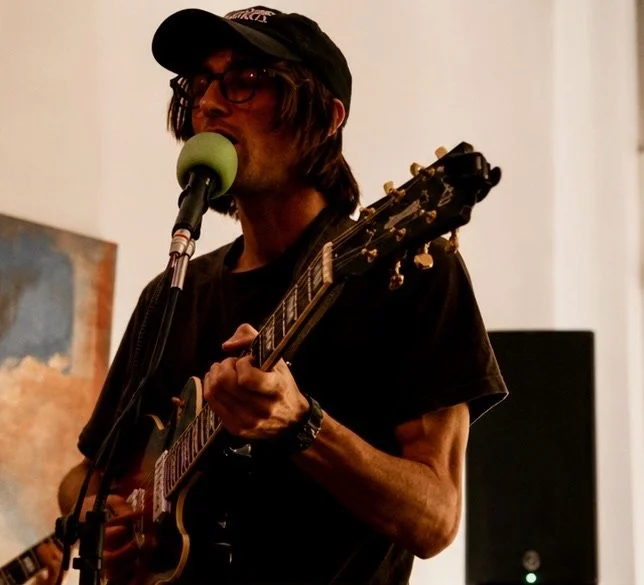
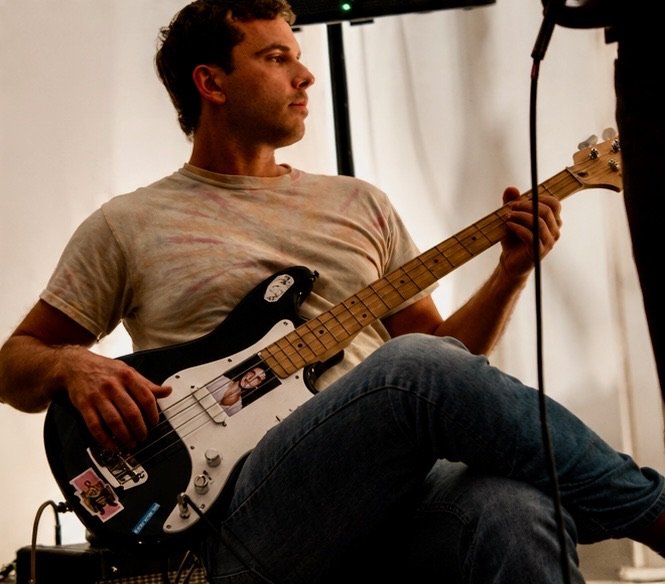
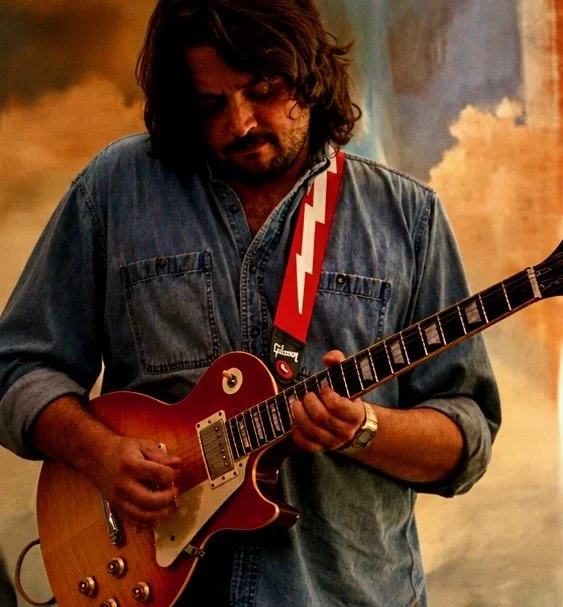
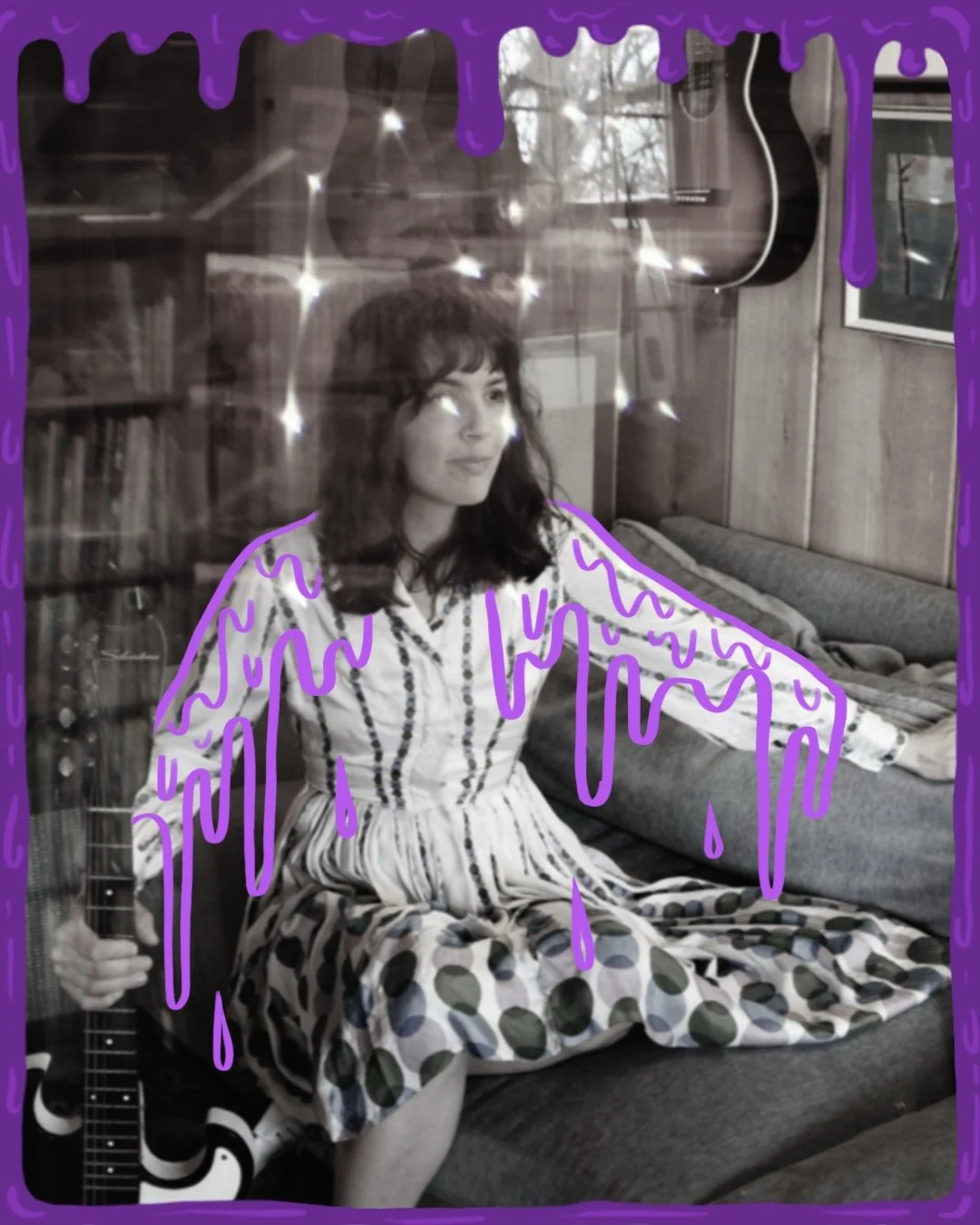
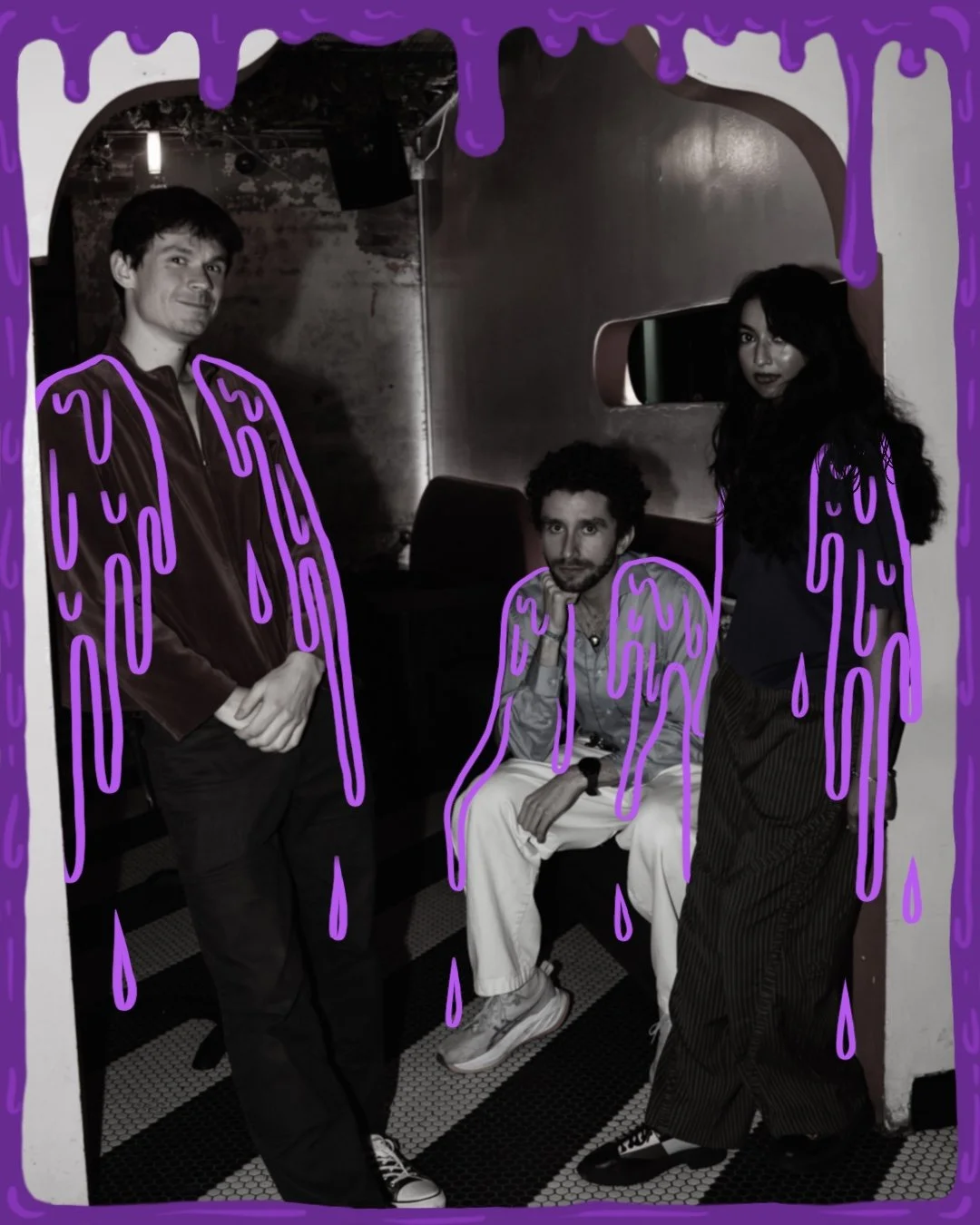
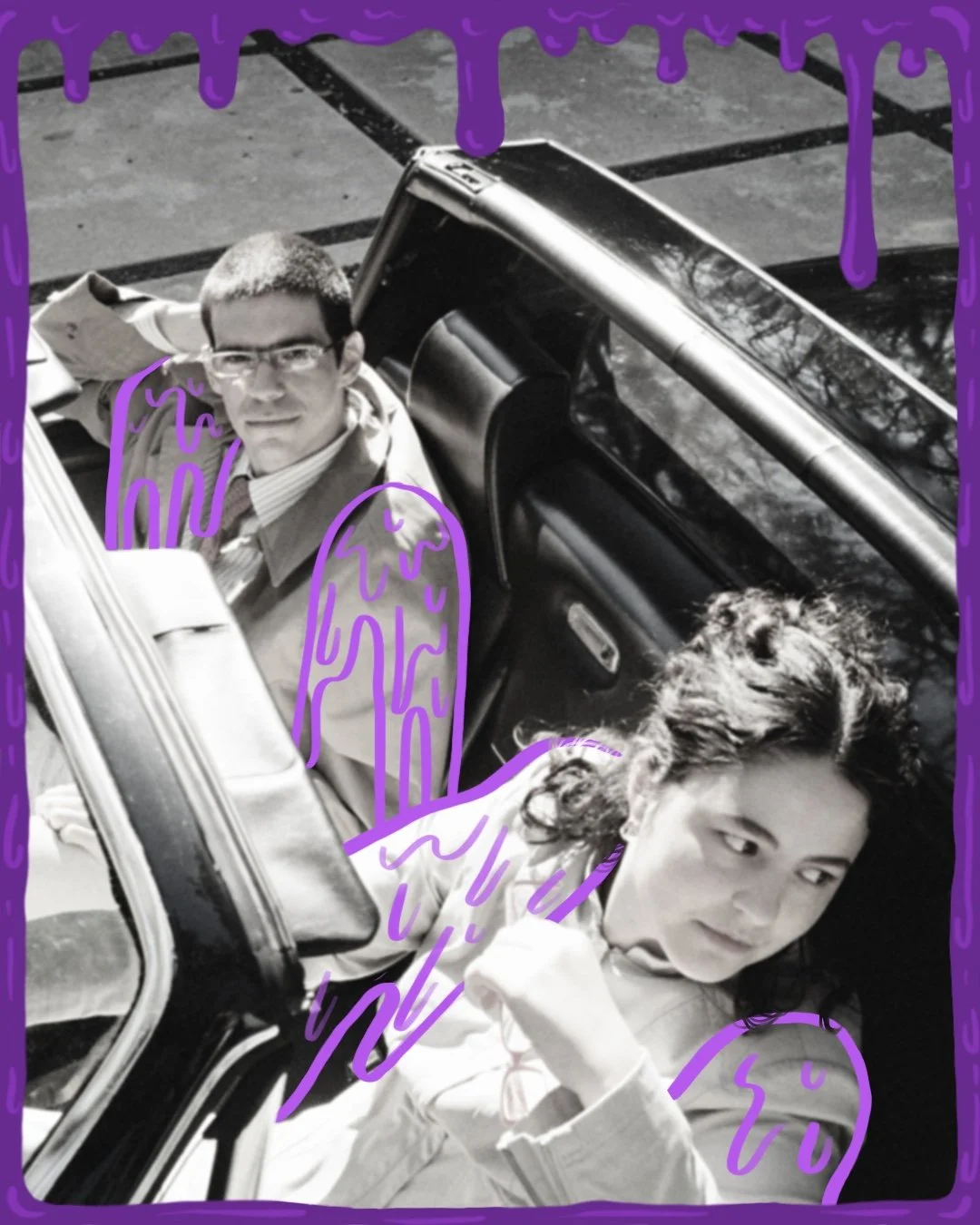
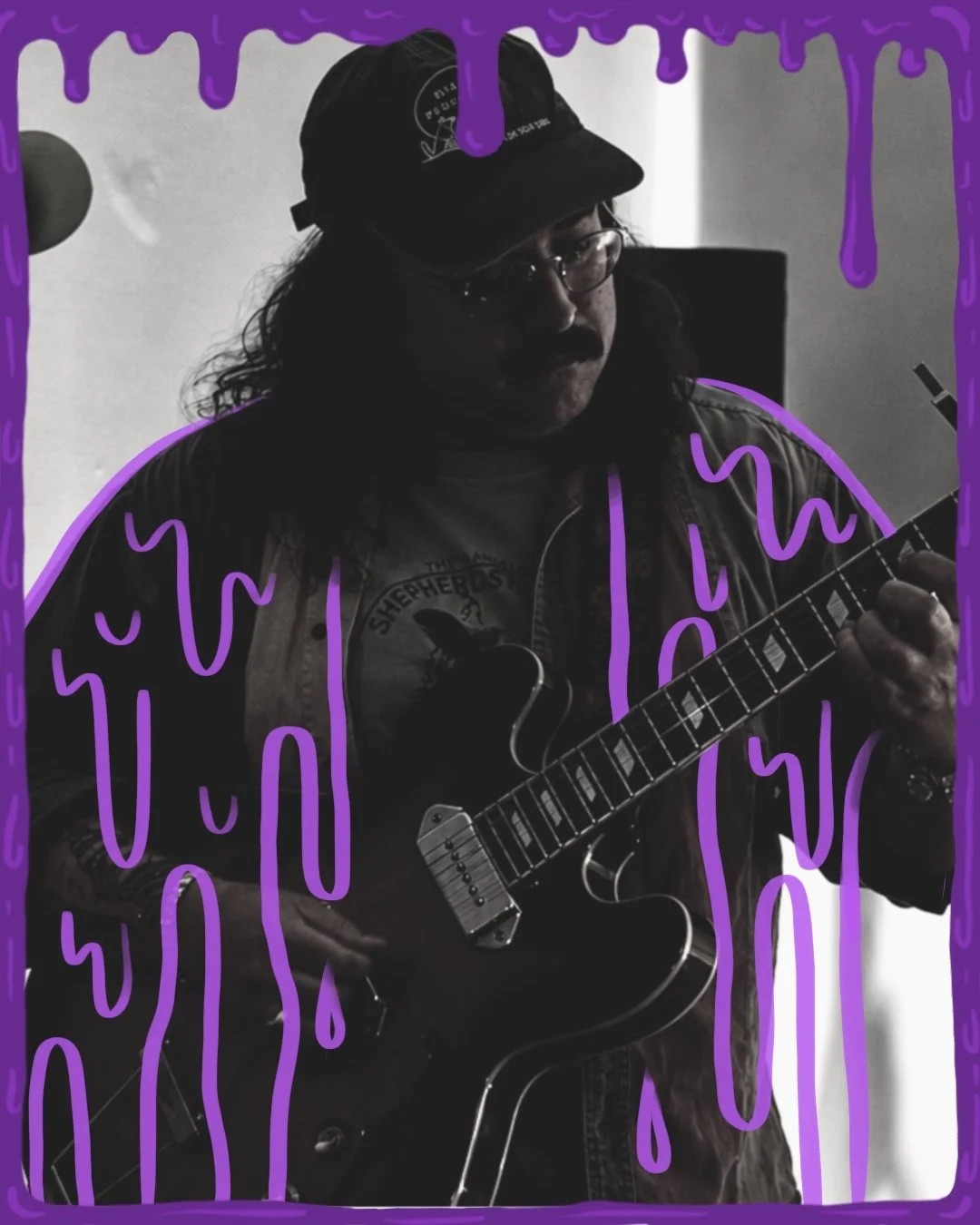
Photo Credit: Melissa Cote
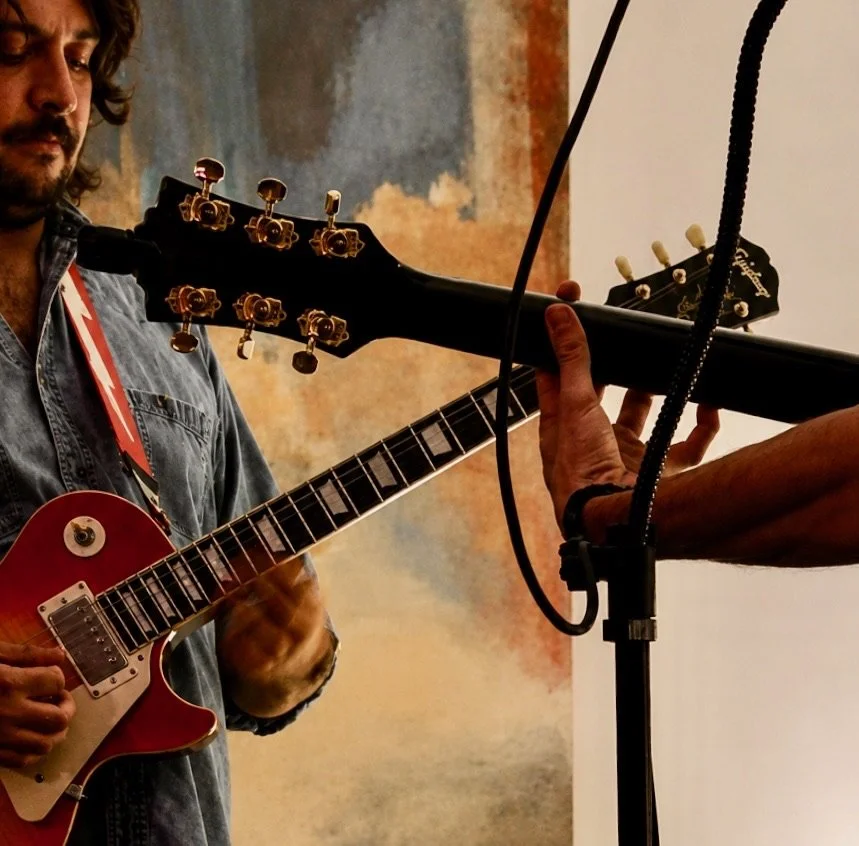
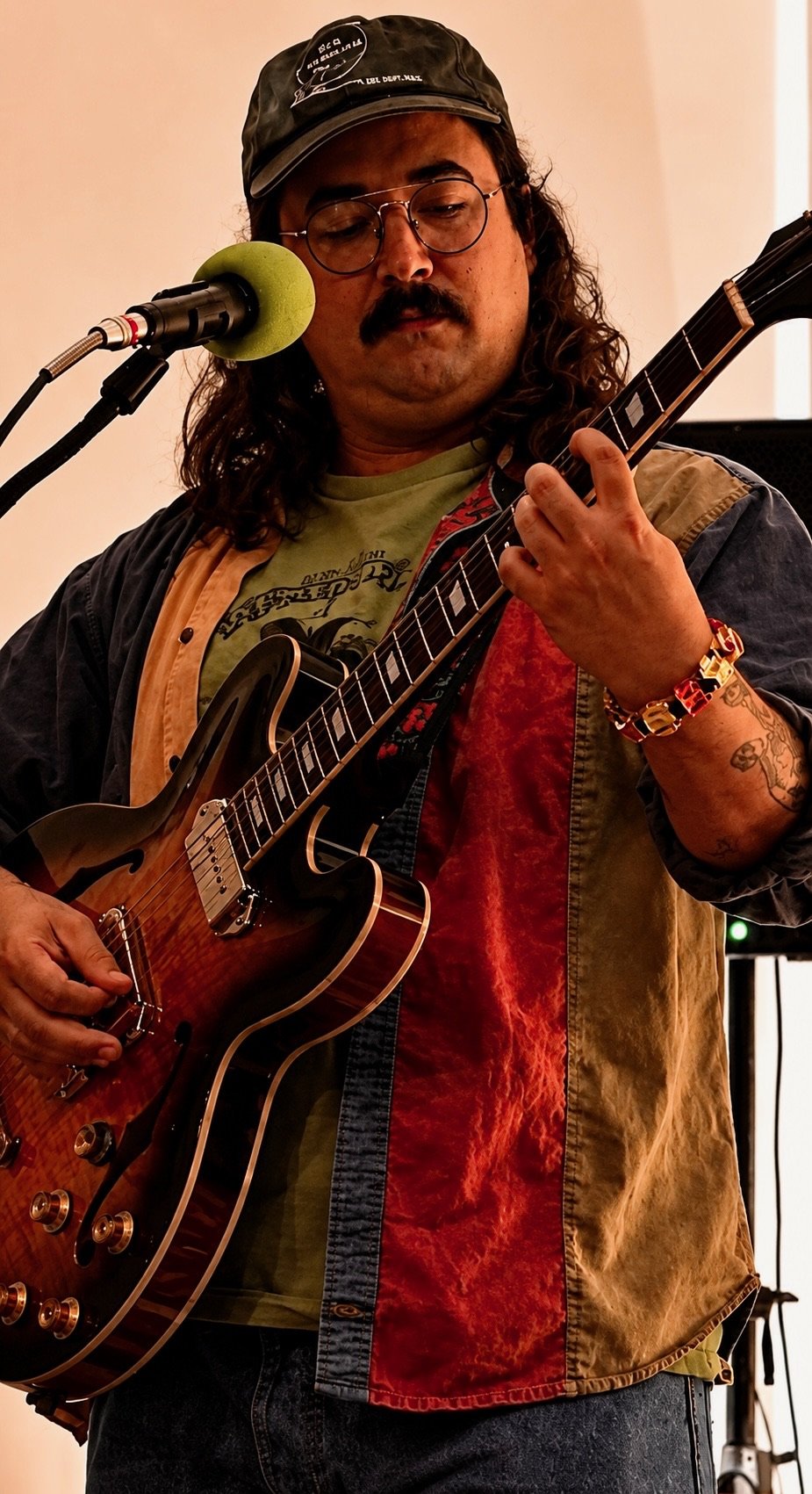
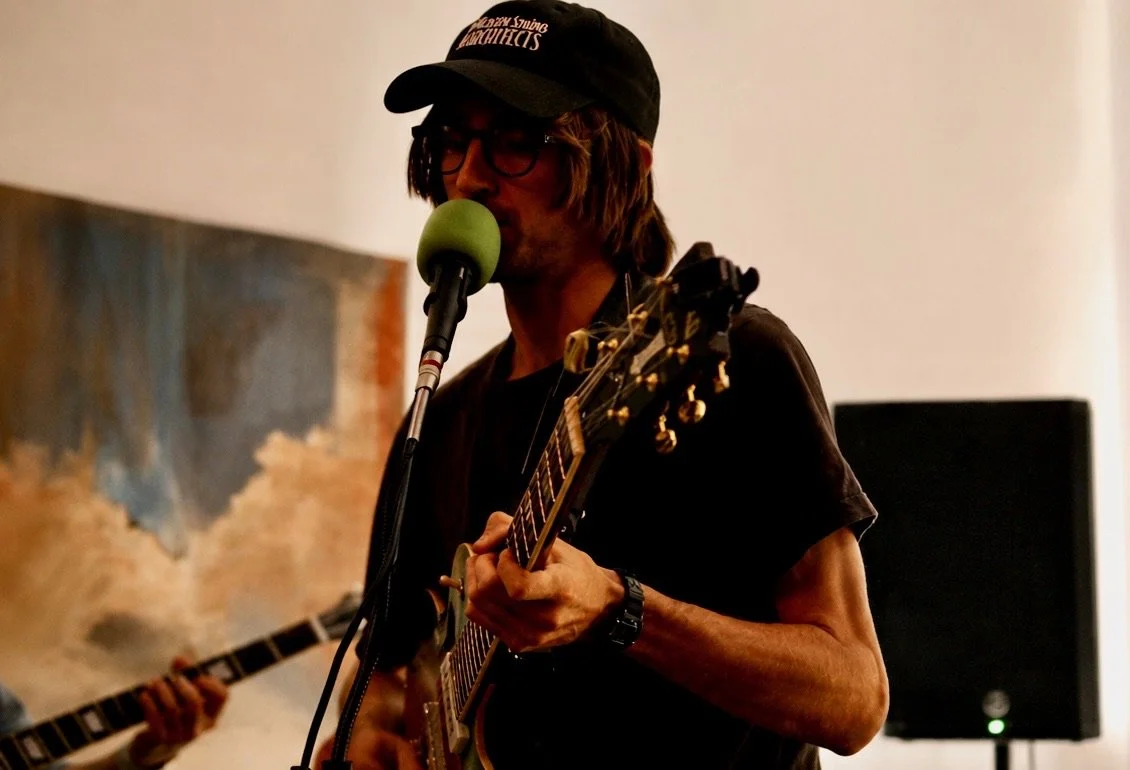
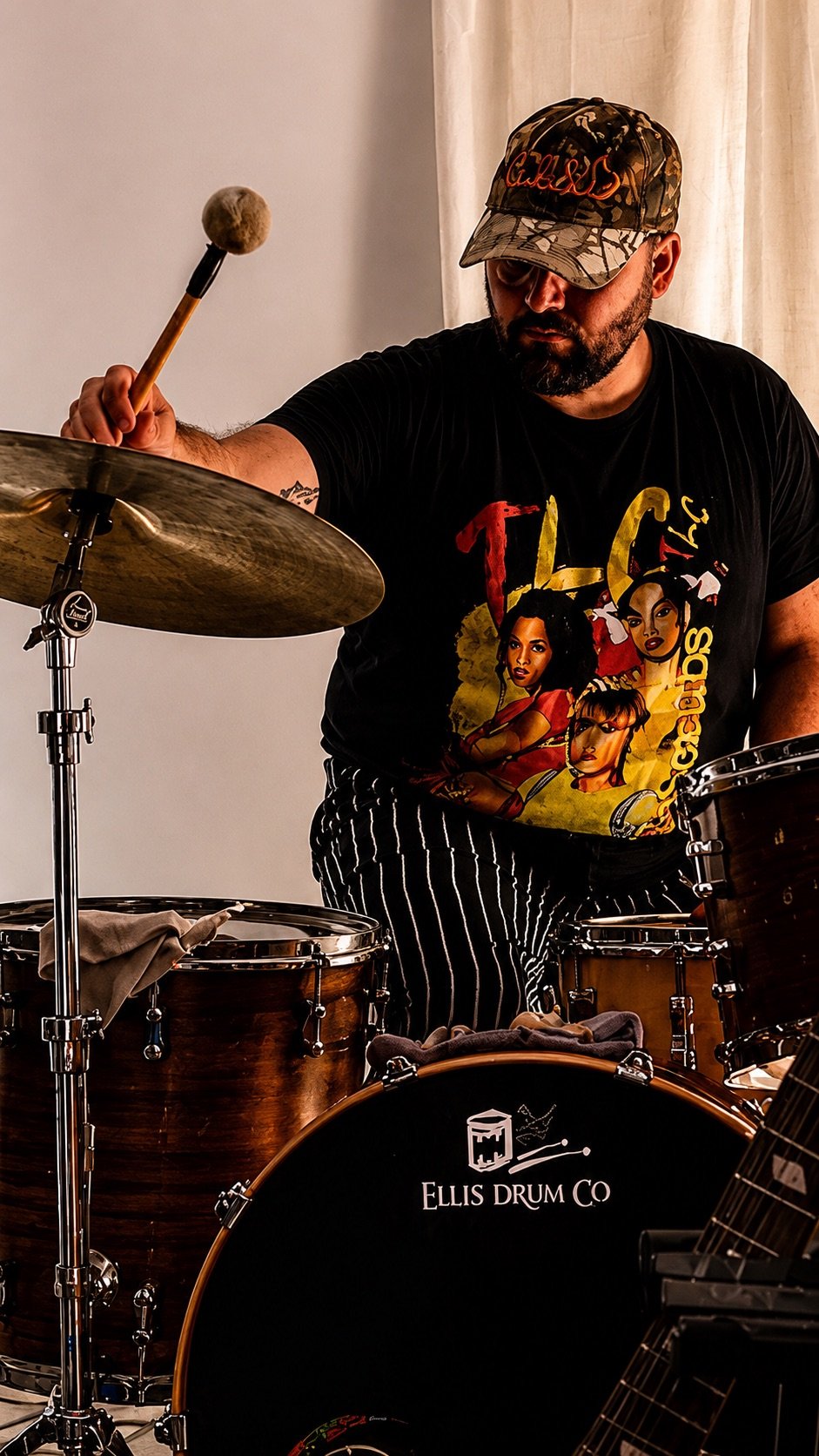
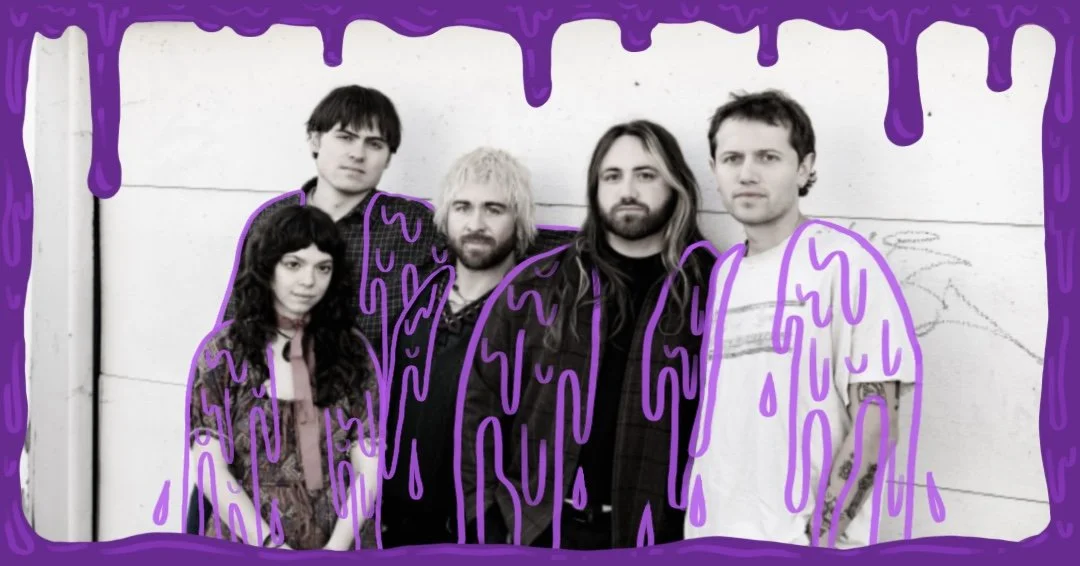
True Green, the brainchild of novelist and songwriter Dan Hornsby, recently released the follow-up to their 2024 debut, My Lost Decade, in the form of a tumbling, character-extracted, 13-track extravaganza: Hail Disaster, out via Spacecase Records in March of this year.
From the very moment that the opening track, “Italian Lightning”, settles into its trailing riff, Hornsby issues a poignant reminder of his storytelling acumen, painting a picture of a deadbeat (but irresistibly cool) relative with vague attachment to the criminal underworld. But as the project unfolds, a wider vision becomes clear— what does it mean to court disaster, and why are we so constantly attracted to the dark and sinister that underlies our daily lives?
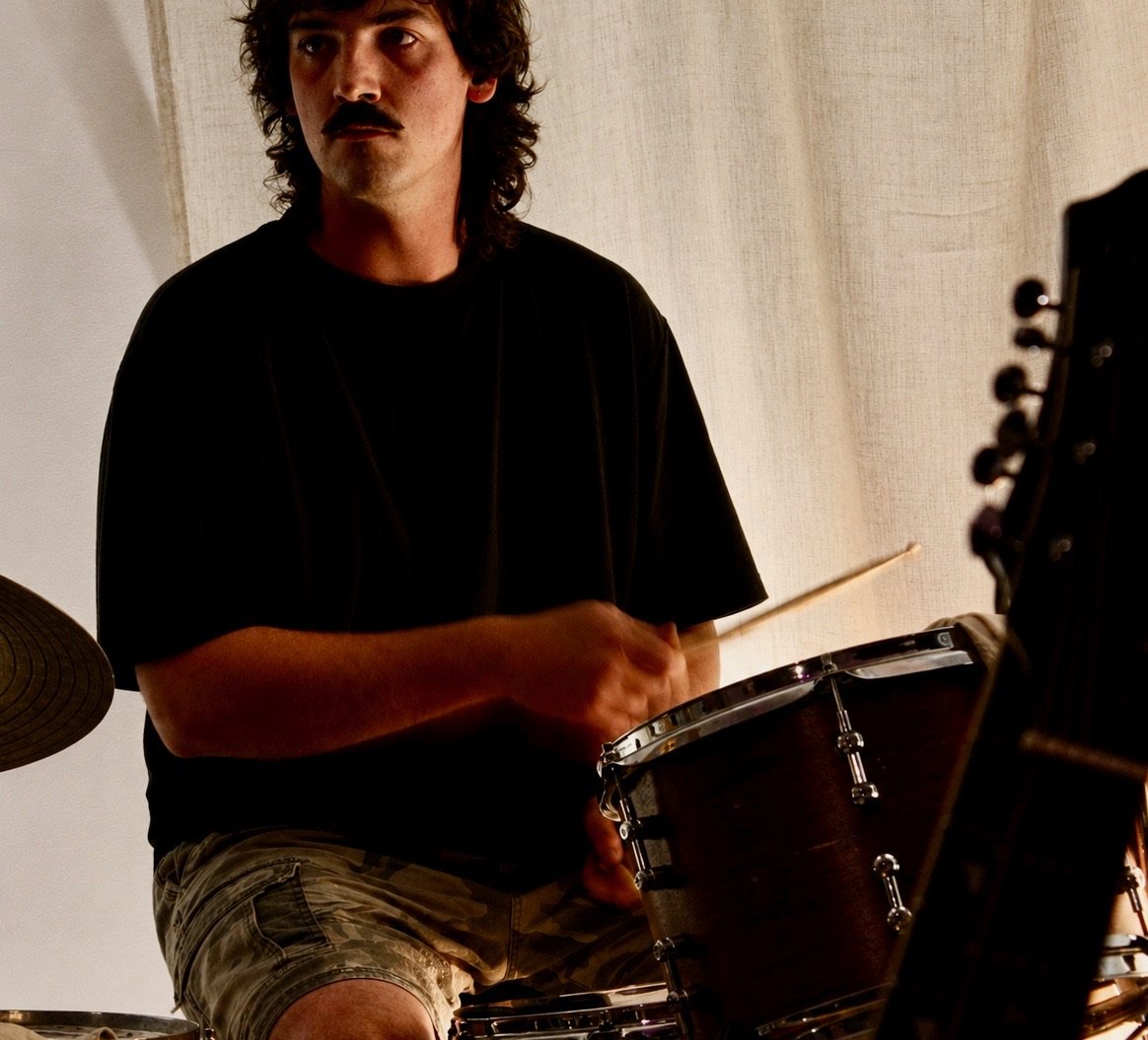
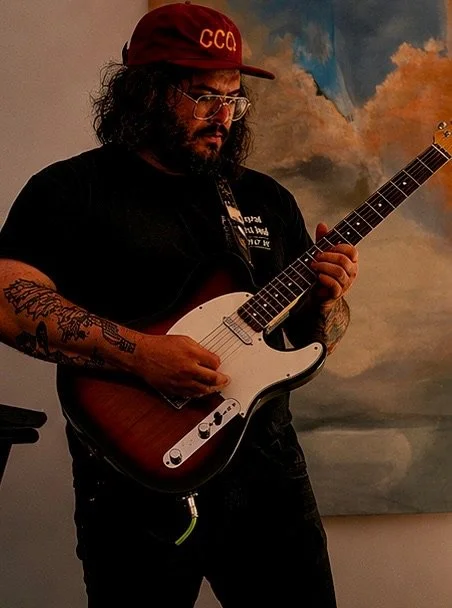
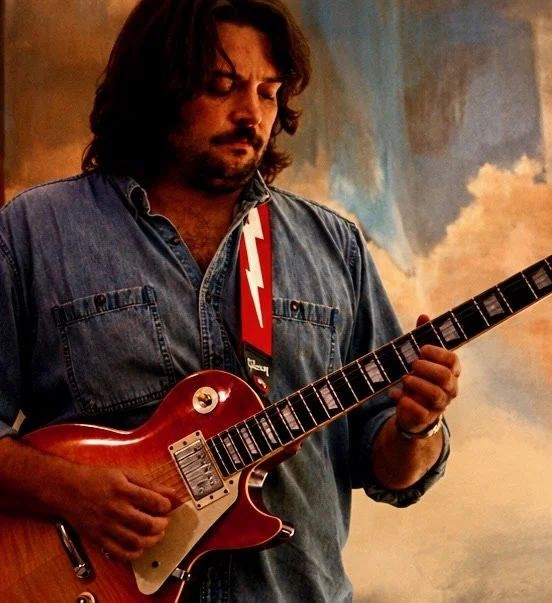
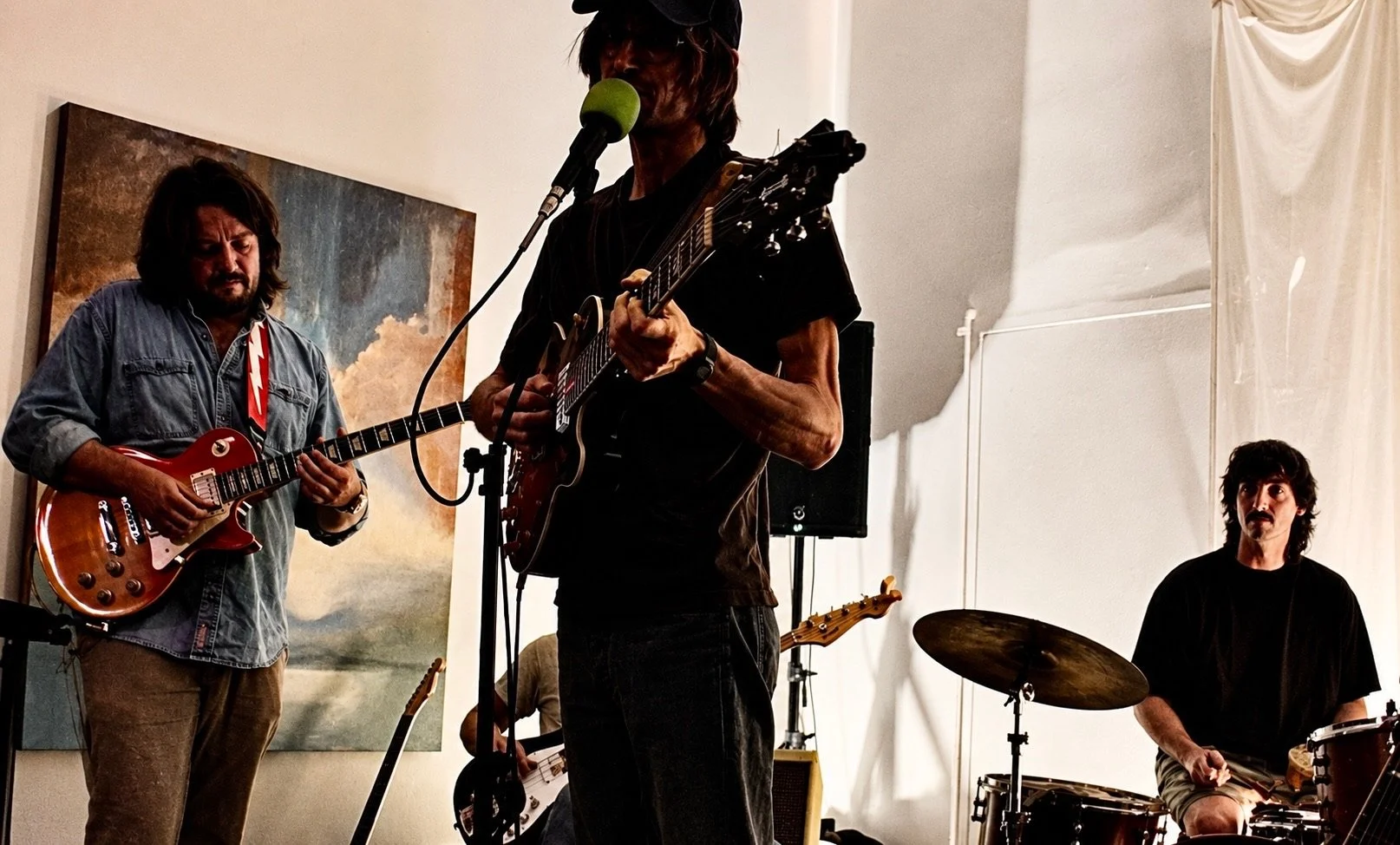
Ahead of True Green’s stop at the intensely intimate Dissonant Works space in St. Louis (with local acts Matt Daisy and Huck on the bill) I spoke with both Hornsby and close collaborator Tailer Ransom about character-building, growing from My Lost Decade, and both of their intentions in working on Hail Disaster.
The transcript below has been edited for the sake of brevity and clarity.
Hail Disaster, your recent album, has been out for about two months now. How long have you been playing the songs live for?
[Dan] Yeah, so I would say I was testing some of the newer ones maybe starting last summer and breaking them in and just seeing how they'd play..
I played a show in Milwaukee where I tried out a couple songs and then a few shows in Minneapolis. I like to play a place called Eagles 34, it's a fraternal order, like a VFW. It’s good to test a few of them and see what connects with people. Especially if you're building off an older setlist and other songs you have kicking around.
How long were you writing the album for?
[Dan] We did a tour for the first record two years ago, and then, when we were on the road, our label asked if we wanted to do a 45. So we started writing some songs for that just with the motivation that, okay, we need an A-side and a B-side.
From there, I picked up on some ideas of dark callings and being pulled towards disaster. We had a song called “Consider the Priesthood”, which is on the record, about the darkness of a calling towards a lonely life. And then there's a song called “Falconry”, which on its face is about taming a wild bird, but it's also about how sinister it is to take something wild and break it.
Those two songs bloomed into this larger record. Once I had a sense of that this might be what it's about, I could start writing from that place. There were probably twice as many songs written than recorded. There are 13 songs on the record since 13 is an unlucky number. But we just whittled things down until it felt like each song made its own case.
And how do you feel now that the record’s been out for roughly two months?
[Dan] I've never had a full-length vinyl before, so it feels really good to hand people a tactile object. It's always funny because you work on things for so long, once they come out, then you start looking in the next direction of where you want to go. You always feel like a different person than the person who wrote and recorded all those songs.
If you could look back on yourself when you started working on My Lost Decade, what would you tell yourself at that time?
[Dan] I started some of those songs when I was playing under a different band name in Memphis, playing those solo. A few of the songs would just stick, I could see they were connecting with people. People might request them if they gave a shit about me, you know? That became the basis for the record; a lot of the singles came from that. Then we moved to Minneapolis, and I wrote the second half of the record there.
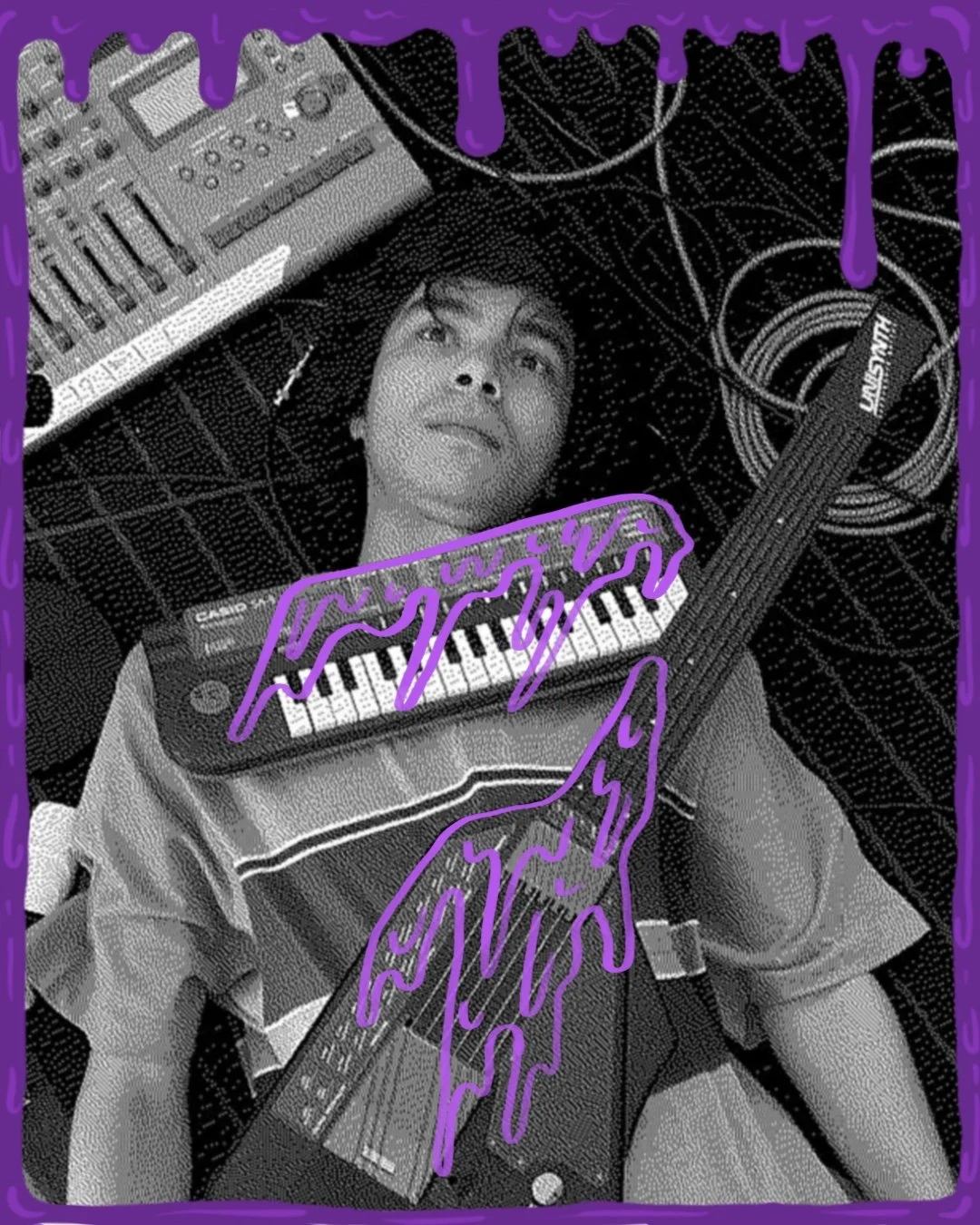
Recorded it all in this little bedroom, mostly with a field recorder. My buddy Tailer plays all the keys you hear on there, all the ambient stuff on both records, some guitar. We met in Memphis, and then I went to Minneapolis. He's bounced around in Mississippi and Georgia some.
We were just putting them together. I wasn't really sure if it would connect with people. We got on this little boutique label called Spacecase, because I wanted a little support, maybe some help in making tapes and things like that. And then we got a warmer reception than I was expecting.
It was really pleasing, because you're dancing in the dark, you don't really know what's going to happen with a record or a book or anything before it comes out. I was really pleased and surprised. And I guess with that record, I don't know, it really is a little diary of that time.
Both a longer period of living in two cities, and then also a lot of the songs in both cases came out of me in verse. “My Lost Decade” and “My Peccadilloes”, those two songs I think I wrote in one week. And then “Buzzerbeater”, a few of the other ones, “Polycarp”, I also wrote those really close together, but years later.
I guess it's just good to be patient and wait for the songs that you feel like do something to people, do something to you.
You keep giving me easy transitions between my questions [laughs]. From an outsider’s perspective, it feels like My Lost Decade is about a sense of adventure, but also about a sense of listlessness, of wandering. On Hail Disaster, the themes seem more settled. Was there any way you planned to approach the second record differently from a perspective of subject matter?
[Dan] I think My Lost Decade, once I wrote the song, I feel like I tapped out of music for, not quite a decade. But it was such a big part of me when I was in college. A little less in grad school because I was figuring out how to be a writer. After that, I don't know, it dwindled a little bit in my life. Even though I really wanted to do it.
It slowly crept back in once I moved to Memphis. And I figured out how to put the pieces together. There's something literal about that— having a lost decade and thinking about somebody picking up the pieces. Even though the songs are all over the place, it felt like that was the pulse of it for me. Or the reason to make it.
And Hail Disaster,I think we were thinking very consciously of a record. It was more intentionally towards an album rather than collecting songs as they came out. I found I didn't really have a theme per se. It was more like once we had three or four or five of the songs, ‘Oh, this is what it is.’ And there were little funny coincidences. I was really into these Eisenstein drawings. He did the Battleship Potemkin, that Soviet movie.
There was this poster by this New York artist during the AIDS crisis, Bruce Witsieppe. It read, “Hail Disaster, for I'm Twisted, Let It Come Down:”, which is the lyrics to one of the songs on the record. Then I found out that there's a line in there that's from Macbeth. And also that these Sergei Eisenstein drawings, a bunch of them are from a production of Macbeth he wanted to do. There was that weird confluence.
The album cover is one of those drawings dolled up a little bit. But I was still like, ‘Okay, we're working on an album.’ There's more of a unifying concept behind it.
And are there any influences that popped up or manifested themselves differently on Hail Disaster?
[Dan] My vision for the first record was like, ‘Okay, it's My Lost Decade. Let's bring in people from all different parts of my life who I played music with.’ A girl I dated in high school, who I was in a band with, sang on one of the songs. My wife now sings on a different song. People from my college bands are all over that record.
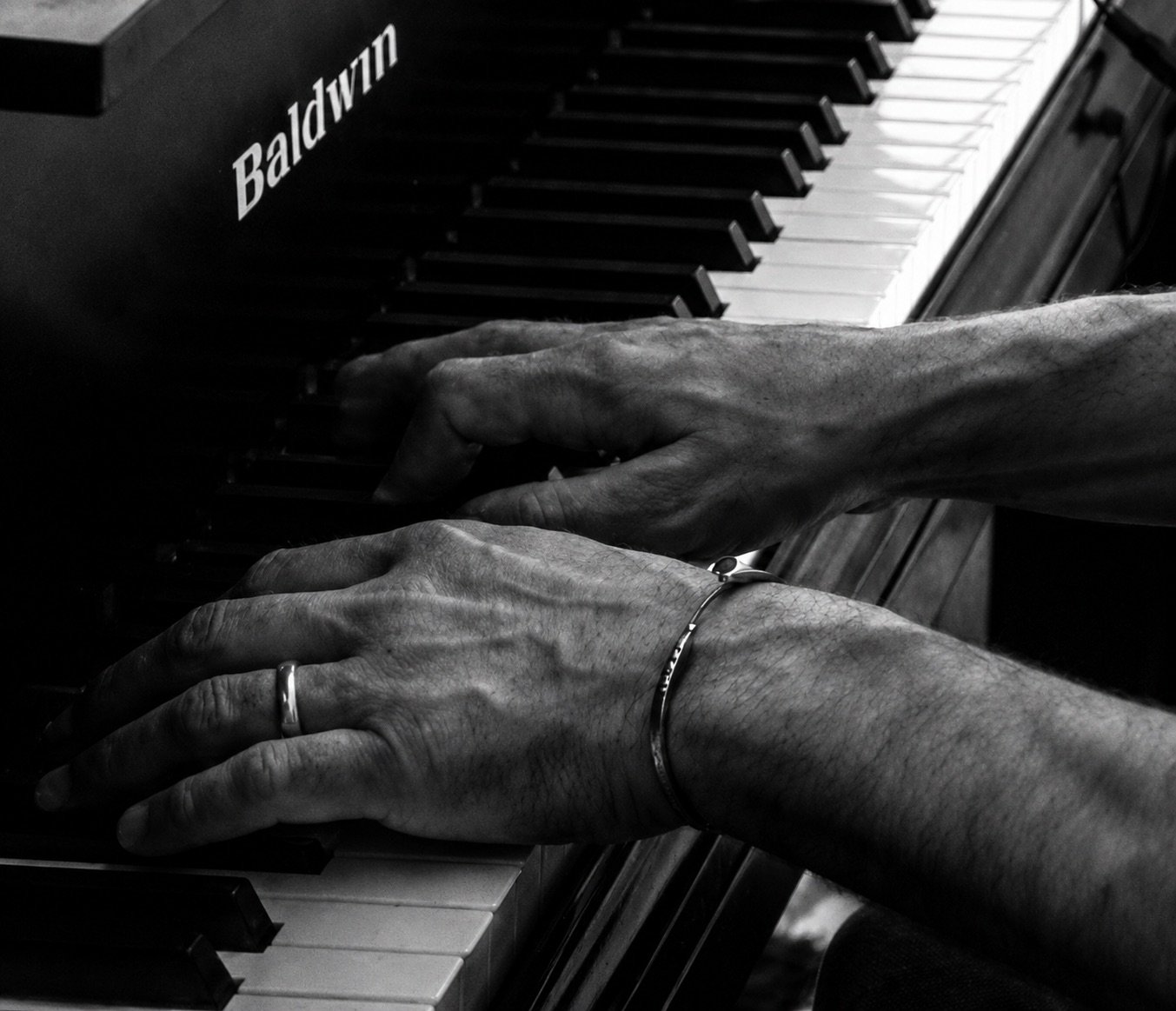
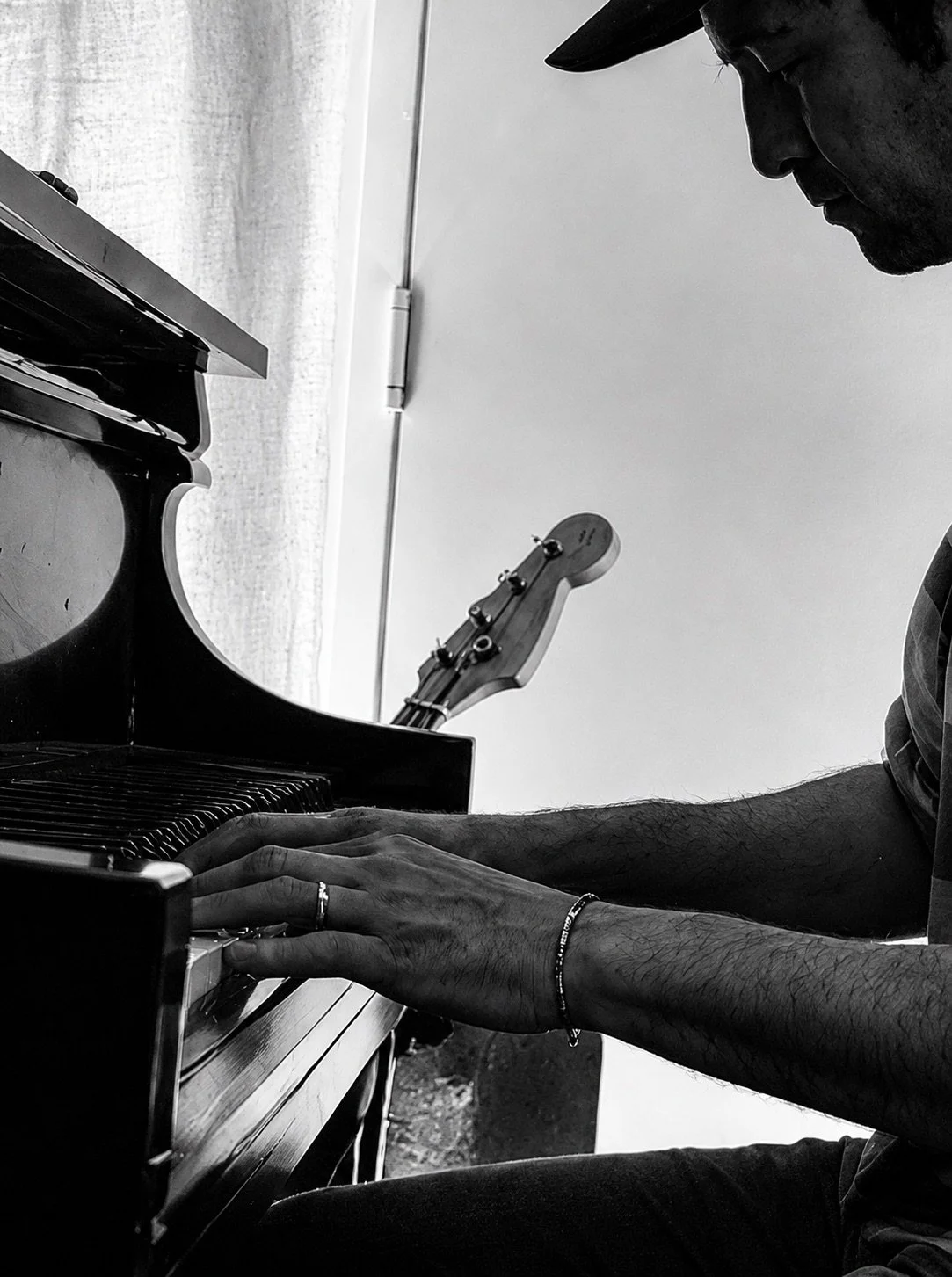
But Tailer and I, we lived in Memphis, we played shows together on the same bill. And then I had a song for him and he just knocked it out of the park and finished it. So I did that more and more. He just moved into the place of being a big part of the process. And then with Hail Disaster, he was there from square one. It incorporates, I think, more of his influences too. He plays in a bunch of bluegrass bands in Georgia. He plays banjo. He also has an ambient project. So there's some ambient stuff. You do hear the banjo. a darker folk element that pops up. I think a lot of that is him.
And then also, I like folk music as well. I like some of that. But I wanted to just still have a darkness in the production. So I think Tailer is more woven into it fundamentally and his sensibility too.
At times, it feels like your lyrics are very personal. At others, it feels like they’re distinctly woven through projected characters. What portion of your lyrics are based on your own, real-life experiences?
[Dan] Well, it's funny because there are two songs that deal with my own family in a funny way, in a sideways way.
“Terry's Parrot” is about my uncle died who during the AIDS crisis in the 90s. I'm not the most interesting person to tell that story. But I've talked to his partner in my adulthood and got a sense of who he was and reconstructed it more from that guy's point of view. That song's incredibly personal to me. But I just found a point of entry that was a little different. He was my uncle when I was a little kid, and I loved him. But this was a way for me to get to know him and articulate some other part of him and explore that.
He really did have a parrot, and it was like a pterodactyl to me. It was so big. When you're a little kid, someone has a macaw. It was huge.
“Italian Lightning” is very loosely based off my great-grandpa, who was very lightly involved in the mafia. He managed a movie theater that burned down in Georgia. Changed the spelling of his name. Moved to Cincinnati. Managed a club where I think connected guys hung out.
But that's not me per se. It's just somebody dealing with a person who can't be there for you because they're involved in shady stuff. But with“How to Draw Hands,” I really was trying to draw hands better and asked my mom. It's a very literal song that, hopefully just by being about what it's about, can be about other stuff too.
Is there any difference to how you approach constructing a character for a song versus constructing a character for a novel?
[Dan] I think fundamentally it's very similar. That you want someone interesting. You want somebody who... You want complexity, right? You want to surprise yourself. In both cases I think you start somewhere and you want to end up somewhere else by way of exploring.
For me, almost like a micro-archetype. In the first record there's a song called “Midtown Matt.” And it's that person who's very much around— who's always at the bar, always at the coffee shop. Always says they're going to leave town but never leaves even though they should probably get out of there. And the relationships people have with that person. Where they should leave them and never do.
It's a little archetype that I just hadn't seen. It's like who do you want to spend time with? You can write a whole song on the side of a postcard. You can be a little more impressionistic. You can have a little more of a subterranean thing built in a song than maybe would be allowed in a novel. Maybe a short story you could get away with that too.
I think fundamentally you're looking for complexity. You're looking for a way into somebody who is in and of themselves a world.
Would you mind telling me about your songwriting process more specifically? Where does it start and how does it unfold from there?
[Dan] There are songs that are more like collages or scrapbooks. Where I'm like, ‘I like this line, I like this phrase.’ Maybe I like this line or phrase as a title. I have a notebook or I have a [note in my] notes app. I'll get them as they filter in. And then I'll collect all those and see if there's something emergent out of that that feels like a story, that feels like anything. And then I'll build that out. Those are really fun and surprising ones. My Lost Decade started that way, and then I realized there was a guy there. He taught in Greece, and then he’s getting messed up. He disappears and burns down his own life. ‘I taught the kids how to spit in finishing school. I wore a suit to the beach and a swimsuit to the funeral.’ Something sent him on this path. Maybe someone died. He was so messed up; he couldn't deal with it. The song built to him apologizing to somebody else and trying to make it right, trying to account for the time that he lost.
Other ones, I'll have more of a... When I was writing “Falconry”, I was just thinking about the practice of falconry and domination. I was reading this weird little martial arts book. And it asks: ‘How do the weak overcome the strong?’ And he says ‘technique’. That's really sinister in a way too. Having the technique to overpower something is really evil. You know? Because it means you've thought it through.
You think there's something there. You explore for a little while. Sometimes you don't find anything. Sometimes you trip over the best thing.
Alright, well I have two more questions— one that will allow you to talk about whatever you’re working on now, and one that’s just for fun. Firstly, you mentioned earlier that you’ve fleshed out unreleased songs at your shows in the past. Will we be hearing any tonight?
[Dan] Everything is from the first two records tonight, just to give them their due. It's easy to become obsessed with whatever the new thing is.
I have an envelope that has maybe 15 songs that I've written out.
Like a physical envelope?
[Dan] Yeah. Like a manila envelope. It's in my daughter's room. I think what's going to happen is I'll get the band together and then talk about... I'll just say the title [and ask] ‘What does that evoke for you?’
The second record, because it was coming out on vinyl, I didn't want it to sound so busted. I think we'll go back to something a little more lo-fi for the third one. Do it quick and dirty for as long as we can and see what happens.
I think the fun and scary thing about a third record, especially, is now there's a set list of songs that I feel like I enjoy playing. How can I add to that? And what songs can earn their place in the list?
And, finally, here’s the fun question. Who’s an artist that hasn’t released a book, but you would pre-order it immediately if they published one?
[Dan] Do you ever listen to the band Wednesday? It would be Karly Hartzman.
Her songs have this short-story quality that I think is astounding and really inspiring. There are some Wednesday songs that you could adapt into a movie if you wanted to.
And I think if she could write short stories or write a novel, I would read it.
Thank you Dan. So, Tailer, tell me about how you met Dan and came to collaborate with him creatively.
[Tailer] We met in Memphis. He overheard me talking sh*t about Harvard in a coffee shop. And he leaned over and he was like, ‘Hey I want you to know I went to Harvard and... you're right.’ [laughs]
We got to talking, and we ended up playing music. His old project and my ambient project, we conned a lot of cooler bands than us into doing shows where we were both the openers. And that was a lot of fun. But we really didn't start playing together until I had moved away.
Dan was starting to move up to Minneapolis. We started ending tracks back and forth. He had a couple skeletal things already in the works, and I had a couple intuitions about how to finish them. And that just ended up being the thing.
What appealed to you about the music Dan was working on?
[Tailer] I mean, I've always admired Dan's music, right? That wasn't new. But the fact that he was asking for input on my end, I was stoked about. Because I think his lyrics are really cool ,and the projects or the state that he was sending them to me in, there was just a lot of room to move around.
And Dan does a really good job of, you know, letting other people do their thing on the tracks, so there's a lot of space for me to move around. I think we didn't have a lot of notes for each other because we found that we were on the same wavelength about how we want things to go. And in terms of sending things back and forth, we're always finding new ideas in each other's stuff.
So, Dan said you were involved with My Lost Decade in a production capacity, but you were really involved with Hail Disaster from the jump.
[Tailer] was less involved with My Lost Decade because I think that was the one that started out as a pretty personal project to him. I came in towards the end and did a lot of things. Hail Disaster definitely, yeah, a lot more ground floor work on that one, which I was stoked about.
I think on My Lost Decade, I was sort of designated song-finisher, but with Hail Disaster, there were a couple of things where I had the seeds and let him finish. That didn't really happen on the first album, maybe with the exception of the last track where I just sent him some ambient stuff and he sang over it. There was a lot more of that and it felt a lot more collaborative rather than me just hopping on top of a lot of the work that he does.
But there's always a little bit that feels that way. It's not 50-50. He is, I think, more the bones of the project than I am. That's for sure.
You don’t have to answer this question in a definitive sense, but I’m curious how you see your impact on the ultimate sound of Hail Disaster.
[Tailer] So one thing I did that we're maybe even going to walk back in the future is, you know, the first album was really defined by the grittiness and the like lo-fi quality. And I think I have slightly more hi-fi. I'm not a hi-fi guy, but more hi-fi than Dan. And there were definitely some feelings I had about mixing it where I was like, ‘Oh dude, it's so pretty. Do we want to put that much dirt on it?’
So I pushed it a little bit in that direction. And I think maybe the next record is going to be somewhere in between the first and second. I think we want it to be a little dirtier, but we had to, especially once we knew that this was going to be pressed on vinyl, I don't want to listen to something raggedy on a record, right? You want something a little shiny. That's something I bring.
I think also the element of ambience is sort of my wheelhouse; I have an ambient background. So that's certainly something that I'm bringing to the table there.
Awesome, this will be my last question. I know Dan has some stuff like in the skeletal level of works, right? Some songs written. Have you seen any of it yet? Are you planning on being involved in the new record and in what capacity?
[Tailer] Oh, yeah. In the new record, we are actually treating our process a little bit more like demoing, right? I think we're interested in getting a live sound or getting a little bit more of a co-present texture to it, right?
I've sent him some instrumental tracks, and he's sung over them. I've heard some of his stuff he's just done with the Tascam and the guitar and vocals. But I think what used to be the process itself is going to be more like we make a demo and then we're actually going to get together and do it. So that's sort of what it seems to be looking like.