
MELT FM: September Round-Up

It was an unusually barren month for the type of music we tend to cover at MELT FM. The indie and alternative rock projects of the late summer have all but dried up by this time of year, and the unintended side effect is that, when in doubt of what to write about, I usually tend towards things outside of my comfort zone. I like to think it’s a healthy habit, although it can at times leave me with a strong sense of desperation as I comb over a month’s releases.
You’ll find those sorts of projects spattered all across this list. Space Afrika’s Quiet Storm— an ambient sound collage project—is certainly one. So is the harrowing, spoken word post-rock you’ll find on Chilean outfit Asia Menor’s Vaho. And yet each of these projects, in a way, manages to capture some of the dread that comes with the changing of the leaves and the rapid shifts in barometric pressure throughout the month of September.
We’re in relatively uncharted territory now, but is there a better place to be when the world itself is shifting and uncertain?
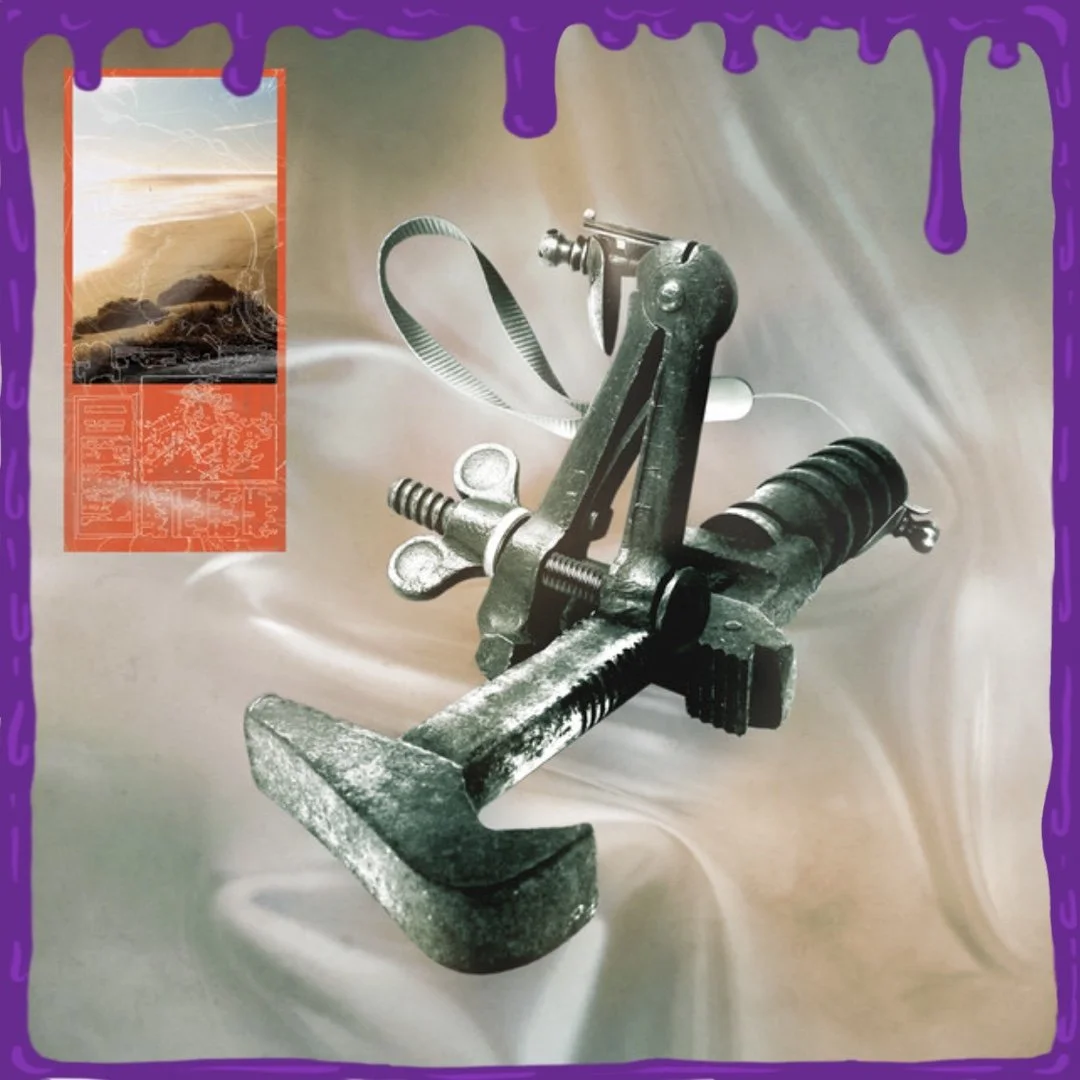
Vaho — Asia menor
Post rock that makes your bones rattle and, in its quaking, rattles off its share corporal dust isn’t hard to find.
But post rock that exists in these sorts of ever-spanning spaces, managing to straddle a careful line between drawn out exorbitance and razor-sharp, biting directional choices is certainly rare. Springing forth from the wave of new, experimental rock music that’s been bubbling forth out of Chile over the past few years, Asia Menor and the band’s second studio offspring, Vaho, are more than simply exciting—there’s an air of simultaneous tentativeness and complete abandon that drives the stake of the project directly into your heart.
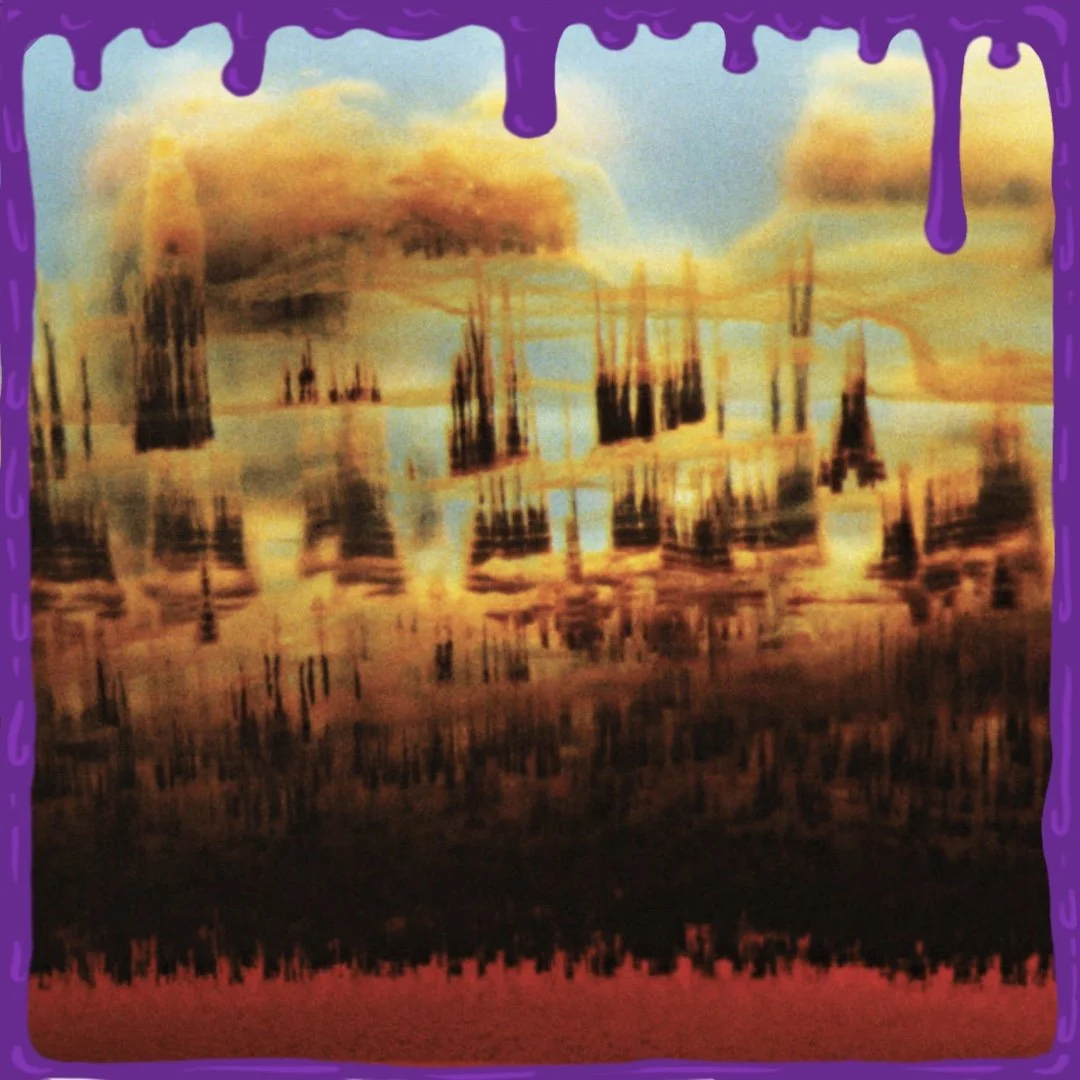
Distance in static — Bonobo
On his eighth studio album, Bonobo’s trance rhythms tumble down a mellower road, oscillating in and out of your consciousness in a gentle, almost caressing manner.
Each track on this project feels like it circles around its atmospheric target while carefully avoiding the album’s pulsating core, and that leaves the whole, bubbling mass with a tastefully nebulous feeling—although its rhythms and melodic pairings are about as sharp as they come.
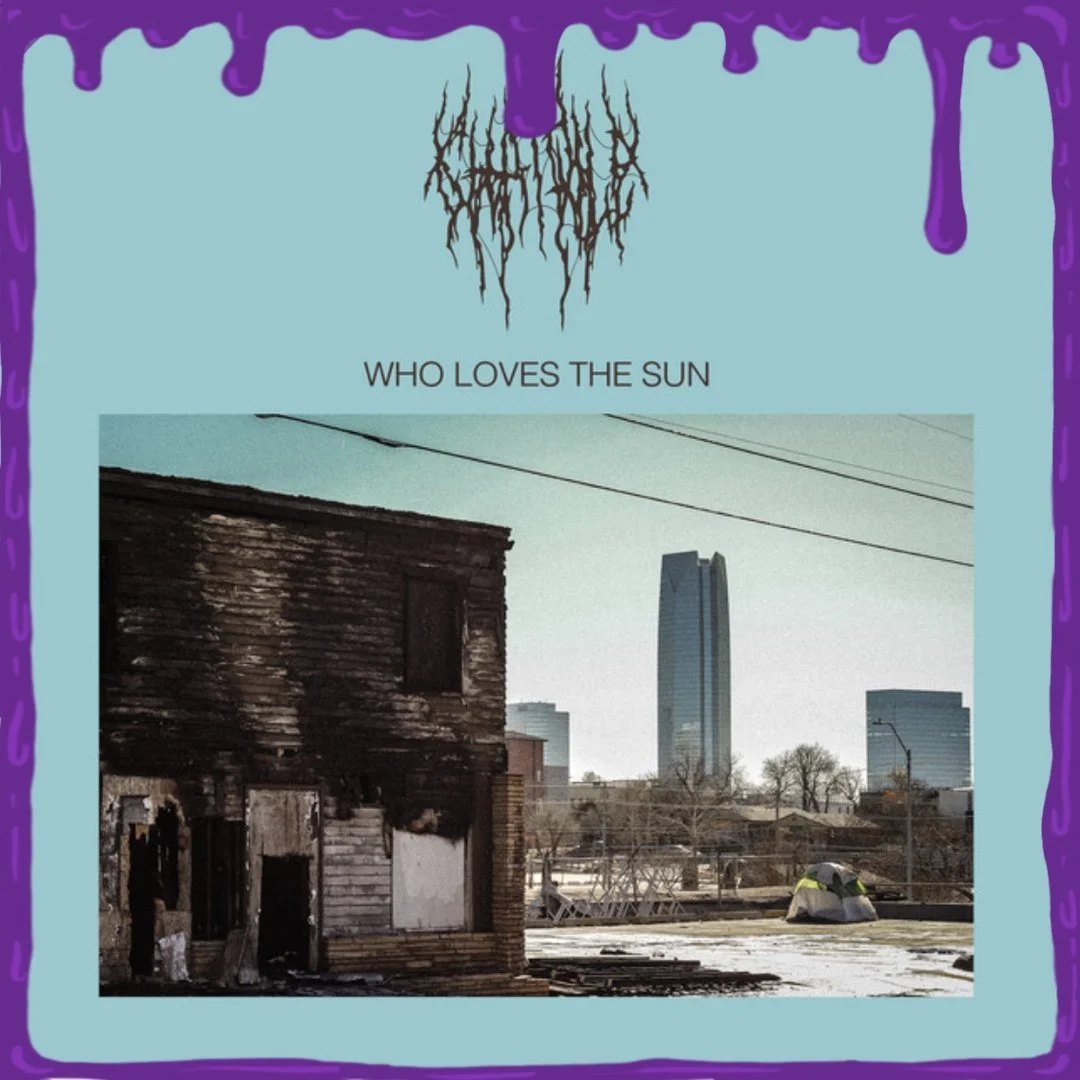
Who loves the sun? — Chat pile
I’ve been aware of Chat Pile since the release of their 2024 LP Cool World. But being aware of Chat Pile and truly experiencing the driving forces of their sludged-up brand of noise-laden rock are separate things entirely.
Although there’s a discernible level of indie-rock melancholia here, the album’s hardest, heaviest, and most eviscerating moments only serve to submerge that sentiment in layers upon layers of fuzz and sonic grime. Who Loves the Sun? is a tour de force in the purely visceral aspects and threads that underlie any sonic narrative.

My world — Jam city
There’s an unavoidable layering of trip-hop elements and atmospheric waverings across the entire breadth of Jam City’s discography, but My World, at turns, feels more intimate—and more inescapable—than any of their efforts thus far.
Tracks like “2am,” with its reverb-thickened, gentle vocal swoons from gianna echoing over stumbling rhythms and scuffling snare sounds, are difficult to glance away from for even a second. Each song is as transfixing as the last, and although the true heart of any given track can shift out of focus as it runs on, this project demands nothing short of pure, unguarded attention.

No rest for the wicked — AZ chike
AZ Chike’s major-label debut, after his rapid rise in visibility stemming from his appearance on Kendrick Lamar’s GNX, was obviously capable of commanding attention, and it’s not often that we see an artist fully live up to those sort of expectations.
But the L.A. native does more than simply meet the requisite threshold on No Rest for the Wicked. In his self-reflections and extended confessionals, there’s a sort of confidence, mired intentionally in a sense of doubt and unfulfilled potential, that unmistakably protrudes from the voice of the emerging storyteller. There’s tracks here that are clearly suited to meet the financial pressures that a label like Warner brings to the project, but in between those efforts is nestled a purer brand of rumbling energy that makes No Rest for the Wicked a true gem of West Coast hip-hop’s recent resurgence on a national stage.
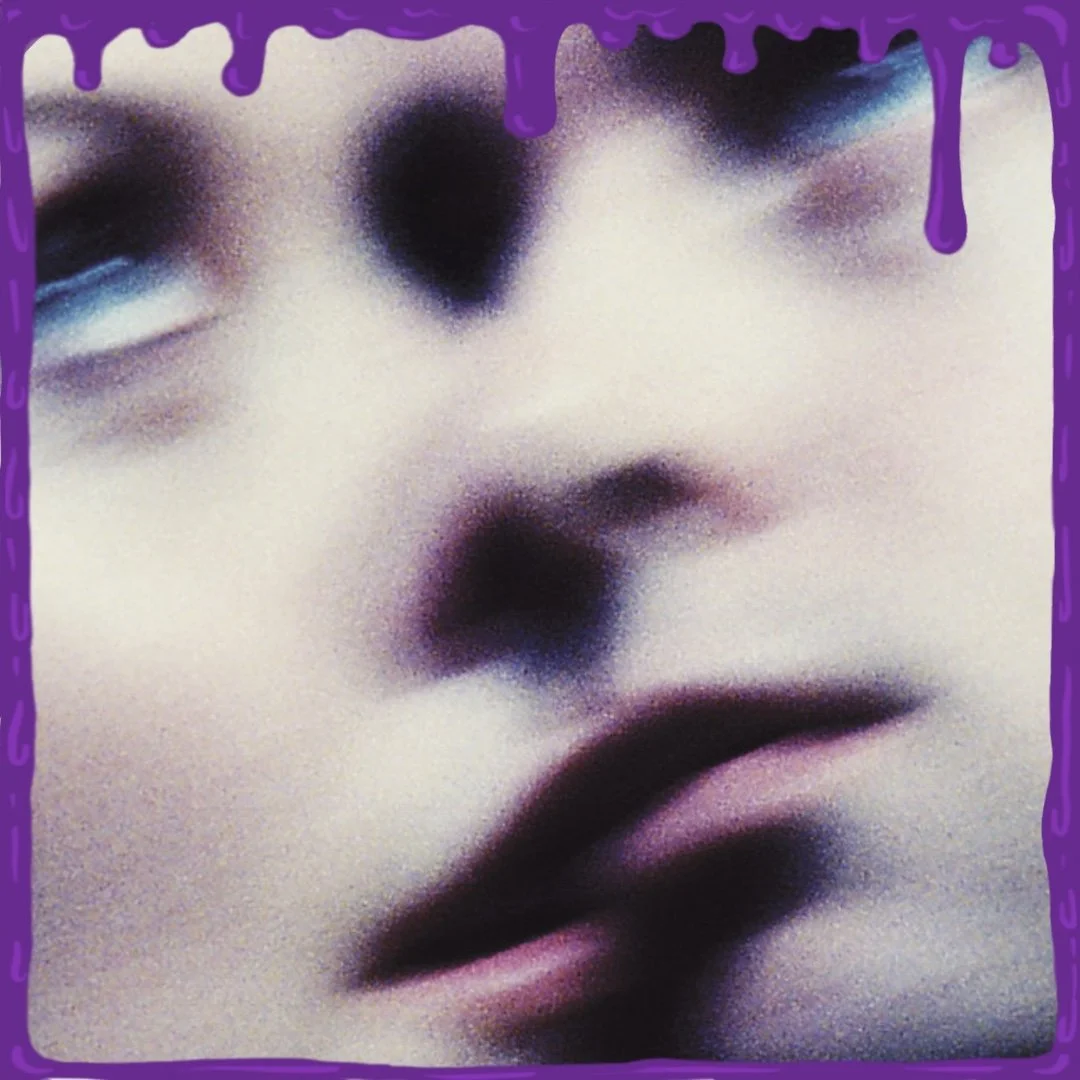
Get mean — Boy harsher
Swooning synth lines and stuttered rhythms populate the cavernous walls of Boy Harsher’s latest project, Get Mean, and as the album advances, these sounds only seem to become more deeply entrenched in the listener’s consciousness.
There’s something riveting in the way that Jae Matthews is capable of throwing even the most biting, sardonic line away with a sense of ease and composure—something imbedded in the New Wave atmosphere here that manages to reckon with a sense of dread while coming out relatively unscathed.
Quiet Storm — Space afrika
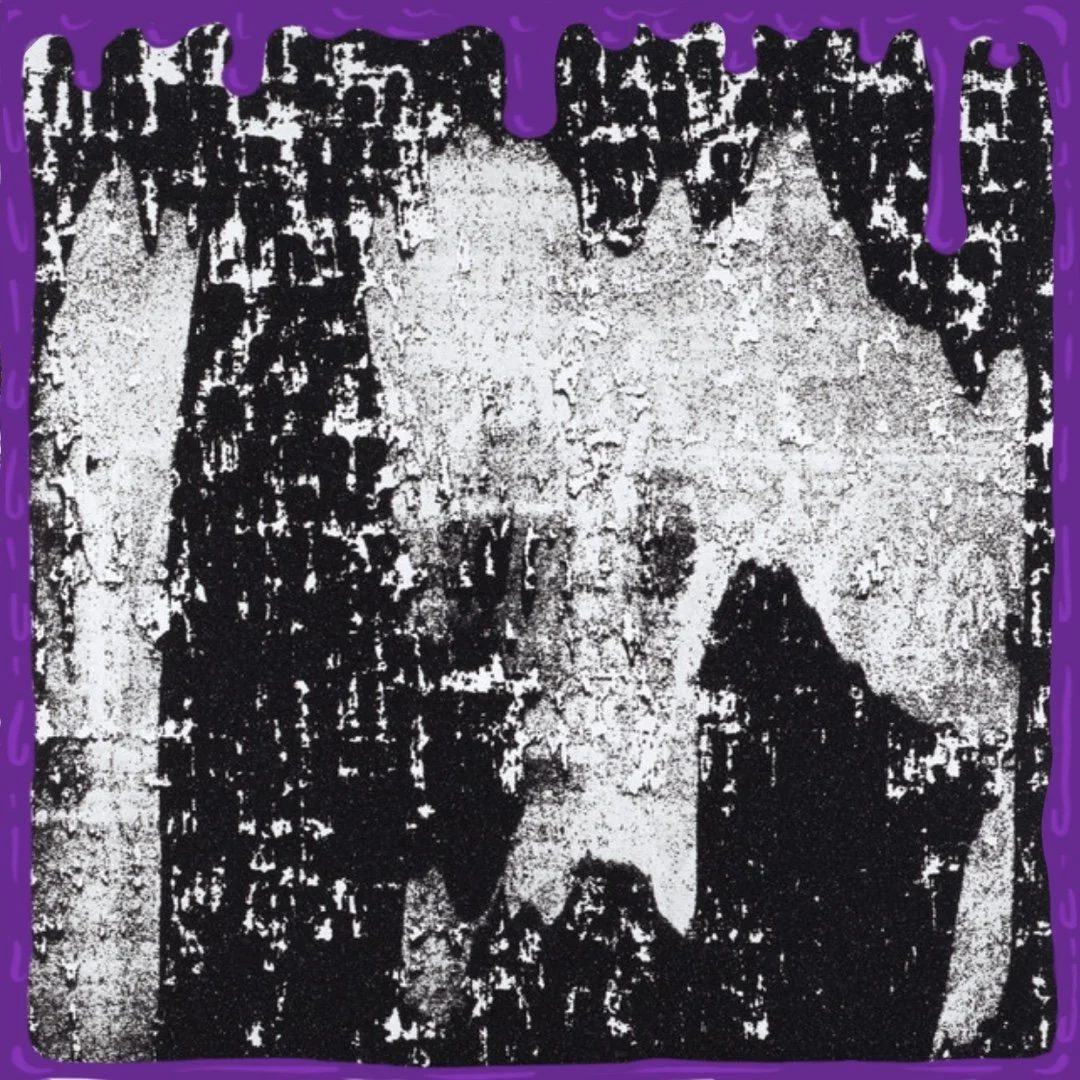
It’s not an easy task to maintain an ambient album’s engaging demeanor over the duration of its runtime, but Quiet Storm, not least because of vocal interpolations and frequent employment of Gregorian chants and chamber sounds, successfully does just that.
Small flitterings of trip-hop rhythms dance across a largely barren atmosphere for the bulk of the record, and there’s a weight to the sound here, despite its sparseness, that lends each moment a sense of grandeur. This is, hands down, one of the most intriguing ambient projects I’ve heard during my dives into the genre.
Hotel usona — Protomartyr
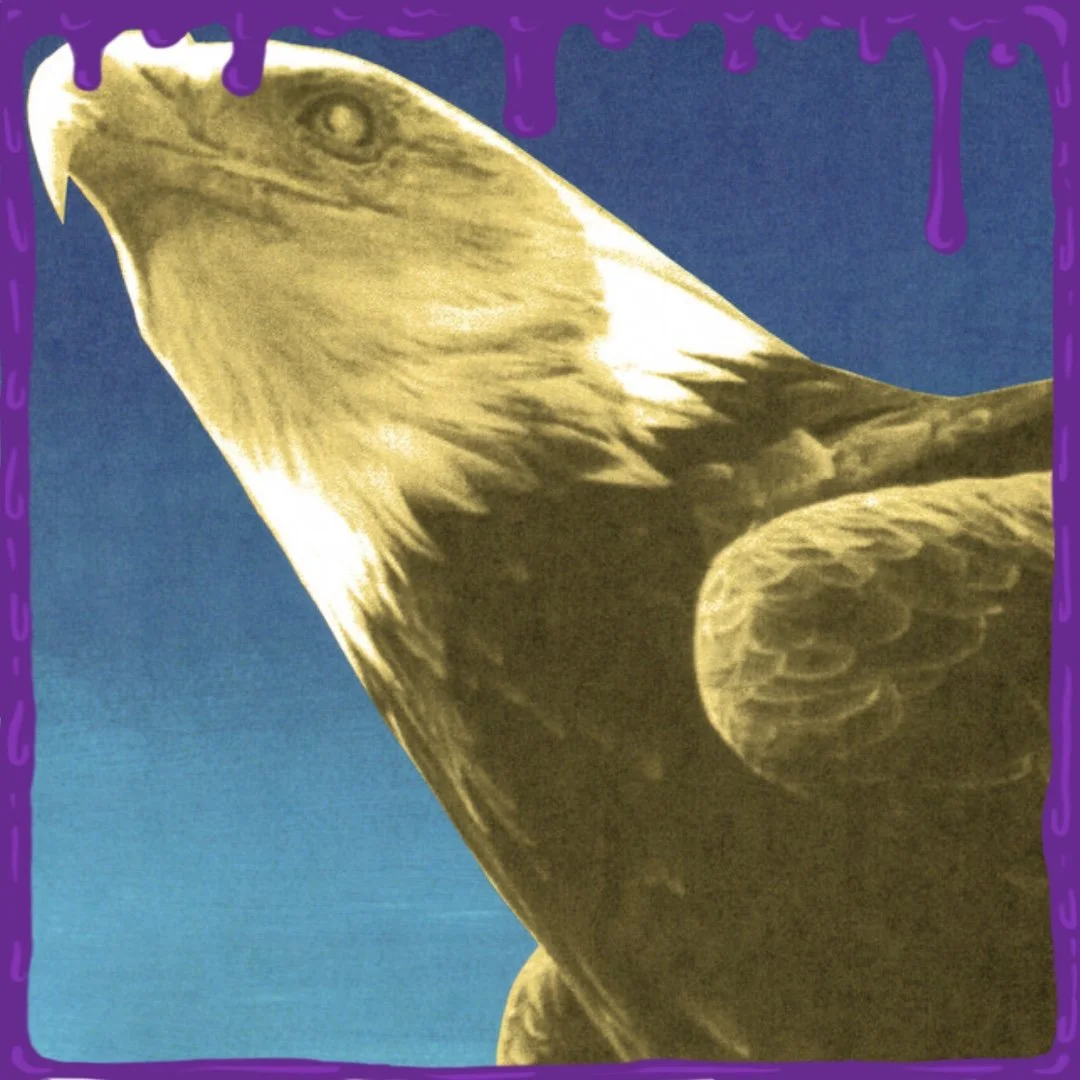
Over Protomartyr’s 12-year run, their post-punk sound has taken on myriad forms. But none is more direct, more broiling with pure political frustration and gothic imagery, than Hotel Usona. The concept behind the project isn’t always crystallized, but that’s almost certainly by design.
What’s truly striking about this record is Joe Casey’s ability to conjure portraits of suffering and blistered hope with equal weight and aptitude. The ‘hotel’ that frames the album is merely a narrative device, and it’s wise not to get too caught up trying to piece together each of the band’s thematic intentions over the course of the record.

The meaning of flowers — agnes obel
There’s so many intricacies and hand-spun across the spanning breadth of The Meaning of Flowers that the project, at times, becomes daunting in its complexity. But its chamber pop leanings are always capable of keeping a gentle grasp on Obel’s ranging vocal swoons and high-stacked harmonies, and the result is a central vision—a hazy, Georgia O’Keefe-esque desert portrait—that stretches itself out over the course of the album.
Mod mayday 23 — Sharp pins
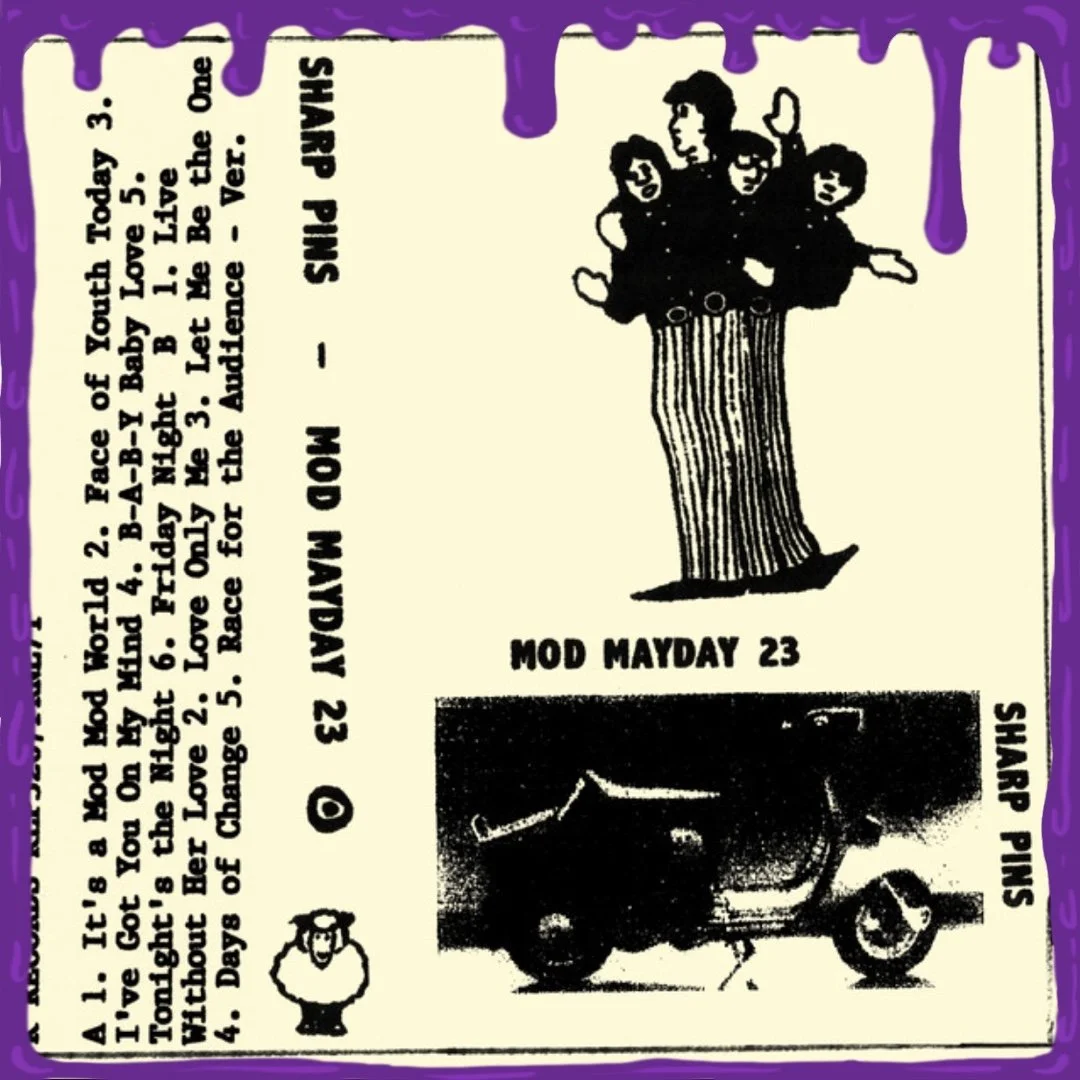
What makes Sharp Pins so appealing, especially when we have almost limitless amounts of music to explore from the actual era the project attempts to emulate?
Mod Mayday 23, of course, belies its age at times with its choice of Peach Pit or Day Glow-inspired guitar tones and motifs. But for the most part, the album is wholly and unapologetically itself. There is no burying of influences here, no sly pretension towards “originality” in the sense that musicians have insisted upon since the dawn of commercial art.
There is only pure intention— and well-executed intention, at that.
Read our full review of Mod Mayday 23 here.